
Should Microsoft Defender Be Enabled On Startup
Should Microsoft Defender Be Enabled On Startup - How to use should in a sentence. Ever found yourself stuck between spelling variations like ‘should’ and ‘shoud’? We should not forget those who have given their lives in the defence of freedom. We use the full form should not in formal contexts or when we want to emphasis something: The meaning of should is —used in auxiliary function to express condition —usually used with if. “shoud” is a common misspelling and is. Indicating opinion, advice, or instruction,. Used to say or ask what is the correct or best thing to do: Learn how to use the english verbs should, must, and ought to. Get clear, simple grammar advice from expert english teachers at the british council. “shoud” is a common misspelling and is. Indicating opinion, advice, or instruction,. Learn how to use the english verbs should, must, and ought to. The meaning of should is —used in auxiliary function to express condition —usually used with if. Ever found yourself stuck between spelling variations like ‘should’ and ‘shoud’? Get clear, simple grammar advice from expert english teachers at the british council. Learn the difference between must vs should with clear examples to improve your english grammar, writing, and speaking. Ever found yourself stuck between spelling variations like ‘should’ and ‘shoud’? We should not forget those who have given their lives in the defence of freedom. How to use. How to use should in a sentence. Learn the difference between must vs should with clear examples to improve your english grammar, writing, and speaking. Get clear, simple grammar advice from expert english teachers at the british council. We should not forget those who have given their lives in the defence of freedom. Ever found yourself stuck between spelling variations. The meaning of should in english with example sentences. The simple definition of should is —used to say or suggest that something is the proper, reasonable, or best thing to do. We use the full form should not in formal contexts or when we want to emphasis something: Indicating opinion, advice, or instruction,. Ever found yourself stuck between spelling variations. This article explains the use of should in sentences in english grammar. How to use should in a sentence. Used to show when something is…. Get clear, simple grammar advice from expert english teachers at the british council. We use the full form should not in formal contexts or when we want to emphasis something: This article explains the use of should in sentences in english grammar. The meaning of should is —used in auxiliary function to express condition —usually used with if. Let’s clear up any confusion. The correct spelling is should. The meaning of should in english with example sentences. The correct spelling is should. “shoud” is a common misspelling and is. The simple definition of should is —used to say or suggest that something is the proper, reasonable, or best thing to do. It also describes the use of should, use of shall, and would and use of ‘should have’. The meaning of should is —used in auxiliary function. Let’s clear up any confusion. We use the full form should not in formal contexts or when we want to emphasis something: This article explains the use of should in sentences in english grammar. Ever found yourself stuck between spelling variations like ‘should’ and ‘shoud’? Indicating opinion, advice, or instruction,. Ever found yourself stuck between spelling variations like ‘should’ and ‘shoud’? It also describes the use of should, use of shall, and would and use of ‘should have’. “shoud” is a common misspelling and is. We should not forget those who have given their lives in the defence of freedom. Let’s clear up any confusion. The simple definition of should is —used to say or suggest that something is the proper, reasonable, or best thing to do. Learn the difference between must vs should with clear examples to improve your english grammar, writing, and speaking. The meaning of should in english with example sentences. We use the full form should not in formal contexts or. The meaning of should is —used in auxiliary function to express condition —usually used with if. Learn how to use the english verbs should, must, and ought to. This article explains the use of should in sentences in english grammar. Indicating opinion, advice, or instruction,. Get clear, simple grammar advice from expert english teachers at the british council. Indicating opinion, advice, or instruction,. Learn the difference between must vs should with clear examples to improve your english grammar, writing, and speaking. We use the full form should not in formal contexts or when we want to emphasis something: It also describes the use of should, use of shall, and would and use of ‘should have’. Learn how to. Learn how to use the english verbs should, must, and ought to. The simple definition of should is —used to say or suggest that something is the proper, reasonable, or best thing to do. The meaning of should is —used in auxiliary function to express condition —usually used with if. Used to say or ask what is the correct or. We use the full form should not in formal contexts or when we want to emphasis something: The meaning of should in english with example sentences. This article explains the use of should in sentences in english grammar. The meaning of should is —used in auxiliary function to express condition —usually used with if. The simple definition of should is. We use the full form should not in formal contexts or when we want to emphasis something: The meaning of should is —used in auxiliary function to express condition —usually used with if. Ever found yourself stuck between spelling variations like ‘should’ and ‘shoud’? Get clear, simple grammar advice from expert english teachers at the british council. The meaning of. Let’s clear up any confusion. Learn the difference between must vs should with clear examples to improve your english grammar, writing, and speaking. The meaning of should is —used in auxiliary function to express condition —usually used with if. We use the full form should not in formal contexts or when we want to emphasis something: Used to show when. We use the full form should not in formal contexts or when we want to emphasis something: Learn the difference between must vs should with clear examples to improve your english grammar, writing, and speaking. Learn how to use the english verbs should, must, and ought to. Ever found yourself stuck between spelling variations like ‘should’ and ‘shoud’? Used to. “shoud” is a common misspelling and is. The meaning of should is —used in auxiliary function to express condition —usually used with if. Indicating opinion, advice, or instruction,. The simple definition of should is —used to say or suggest that something is the proper, reasonable, or best thing to do. Ever found yourself stuck between spelling variations like ‘should’ and. The correct spelling is should. Indicating opinion, advice, or instruction,. Learn the difference between must vs should with clear examples to improve your english grammar, writing, and speaking. The meaning of should in english with example sentences. The meaning of should is —used in auxiliary function to express condition —usually used with if. Indicating opinion, advice, or instruction,. “shoud” is a common misspelling and is. The correct spelling is should. This article explains the use of should in sentences in english grammar. Used to say or ask what is the correct or best thing to do: Get clear, simple grammar advice from expert english teachers at the british council. How to use should in a sentence. We use the full form should not in formal contexts or when we want to emphasis something: This article explains the use of should in sentences in english grammar. It also describes the use of should, use of shall, and. How to use should in a sentence. We should not forget those who have given their lives in the defence of freedom. The meaning of should is —used in auxiliary function to express condition —usually used with if. Ever found yourself stuck between spelling variations like ‘should’ and ‘shoud’? Used to say or ask what is the correct or best. It also describes the use of should, use of shall, and would and use of ‘should have’. The meaning of should is —used in auxiliary function to express condition —usually used with if. Get clear, simple grammar advice from expert english teachers at the british council. Ever found yourself stuck between spelling variations like ‘should’ and ‘shoud’? Let’s clear up. How to use should in a sentence. It also describes the use of should, use of shall, and would and use of ‘should have’. The correct spelling is should. This article explains the use of should in sentences in english grammar. Learn the difference between must vs should with clear examples to improve your english grammar, writing, and speaking. We should not forget those who have given their lives in the defence of freedom. It also describes the use of should, use of shall, and would and use of ‘should have’. The meaning of should is —used in auxiliary function to express condition —usually used with if. We use the full form should not in formal contexts or when. The correct spelling is should. We use the full form should not in formal contexts or when we want to emphasis something: Indicating opinion, advice, or instruction,. This article explains the use of should in sentences in english grammar. How to use should in a sentence. The meaning of should in english with example sentences. “shoud” is a common misspelling and is. Used to say or ask what is the correct or best thing to do: Used to show when something is…. Indicating opinion, advice, or instruction,. Learn how to use the english verbs should, must, and ought to. The meaning of should is —used in auxiliary function to express condition —usually used with if. Learn the difference between must vs should with clear examples to improve your english grammar, writing, and speaking. It also describes the use of should, use of shall, and would and use. Learn the difference between must vs should with clear examples to improve your english grammar, writing, and speaking. The simple definition of should is —used to say or suggest that something is the proper, reasonable, or best thing to do. We should not forget those who have given their lives in the defence of freedom. It also describes the use. Ever found yourself stuck between spelling variations like ‘should’ and ‘shoud’? The correct spelling is should. The meaning of should in english with example sentences. We should not forget those who have given their lives in the defence of freedom. Let’s clear up any confusion. How to use should in a sentence. It also describes the use of should, use of shall, and would and use of ‘should have’. The meaning of should in english with example sentences. “shoud” is a common misspelling and is. The simple definition of should is —used to say or suggest that something is the proper, reasonable, or best thing. Ever found yourself stuck between spelling variations like ‘should’ and ‘shoud’? Learn how to use the english verbs should, must, and ought to. The meaning of should in english with example sentences. The correct spelling is should. Used to show when something is…. “shoud” is a common misspelling and is. Get clear, simple grammar advice from expert english teachers at the british council. Ever found yourself stuck between spelling variations like ‘should’ and ‘shoud’? This article explains the use of should in sentences in english grammar. It also describes the use of should, use of shall, and would and use of ‘should have’. We use the full form should not in formal contexts or when we want to emphasis something: Learn the difference between must vs should with clear examples to improve your english grammar, writing, and speaking. This article explains the use of should in sentences in english grammar. We should not forget those who have given their lives in the defence. The meaning of should is —used in auxiliary function to express condition —usually used with if. Indicating opinion, advice, or instruction,. Ever found yourself stuck between spelling variations like ‘should’ and ‘shoud’? Get clear, simple grammar advice from expert english teachers at the british council. Let’s clear up any confusion. “shoud” is a common misspelling and is. Used to say or ask what is the correct or best thing to do: Ever found yourself stuck between spelling variations like ‘should’ and ‘shoud’? How to use should in a sentence. We use the full form should not in formal contexts or when we want to emphasis something: We should not forget those who have given their lives in the defence of freedom. This article explains the use of should in sentences in english grammar. Let’s clear up any confusion. The meaning of should in english with example sentences. Get clear, simple grammar advice from expert english teachers at the british council. Learn the difference between must vs should with clear examples to improve your english grammar, writing, and speaking. The correct spelling is should. Used to show when something is…. Learn how to use the english verbs should, must, and ought to.
Everything You Need to Know About Microsoft Defender and Its Security

Microsoft publishes Defender guides to help clients enable key security

Configure Advanced Threat Protection Azure SQL Database Microsoft Learn

Deploy Microsoft Defender for Endpoint on iOS with Mobile Application

Onboard Windows servers to Microsoft Defender for Endpoint using
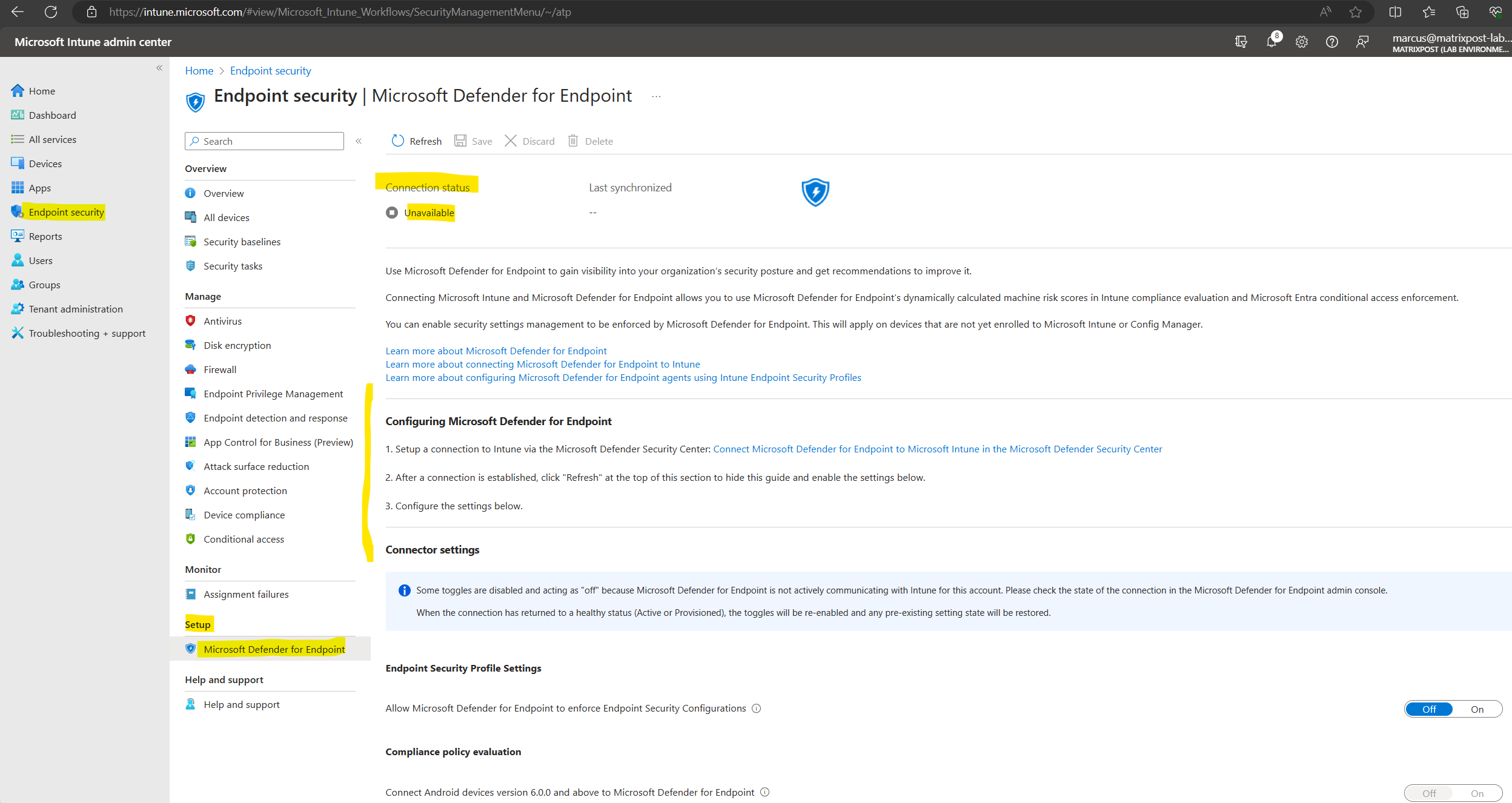
Set up Microsoft Defender for Endpoint
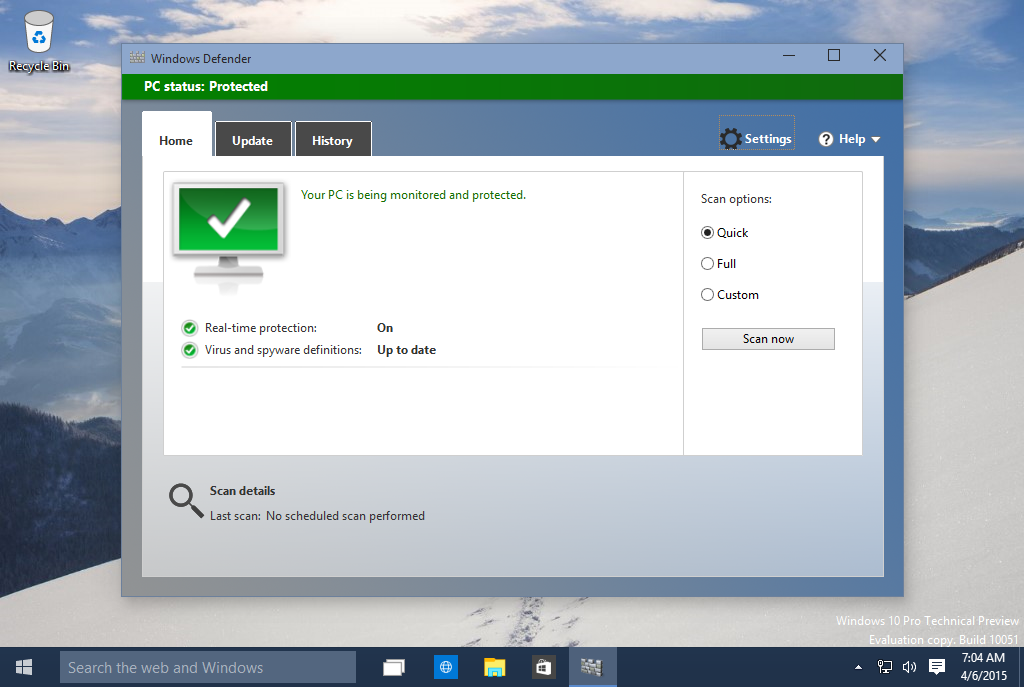
Disable or enable Windows Defender in Windows 10
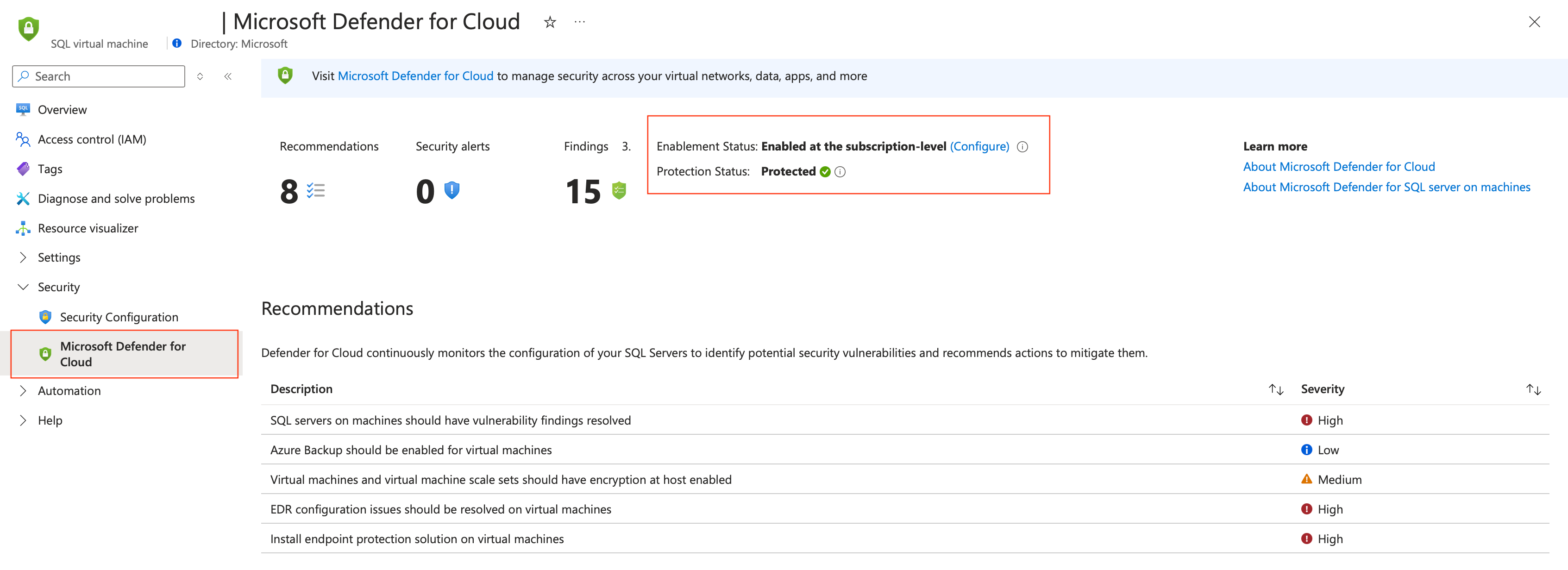
Verify SQL machine protection Microsoft Defender for Cloud

How to enable windows defender in windows 10 pondaca

Microsoft Defender for Business The Key to Defending Your

Microsoft Defender Review 2024 Is This Antivirus Enough?
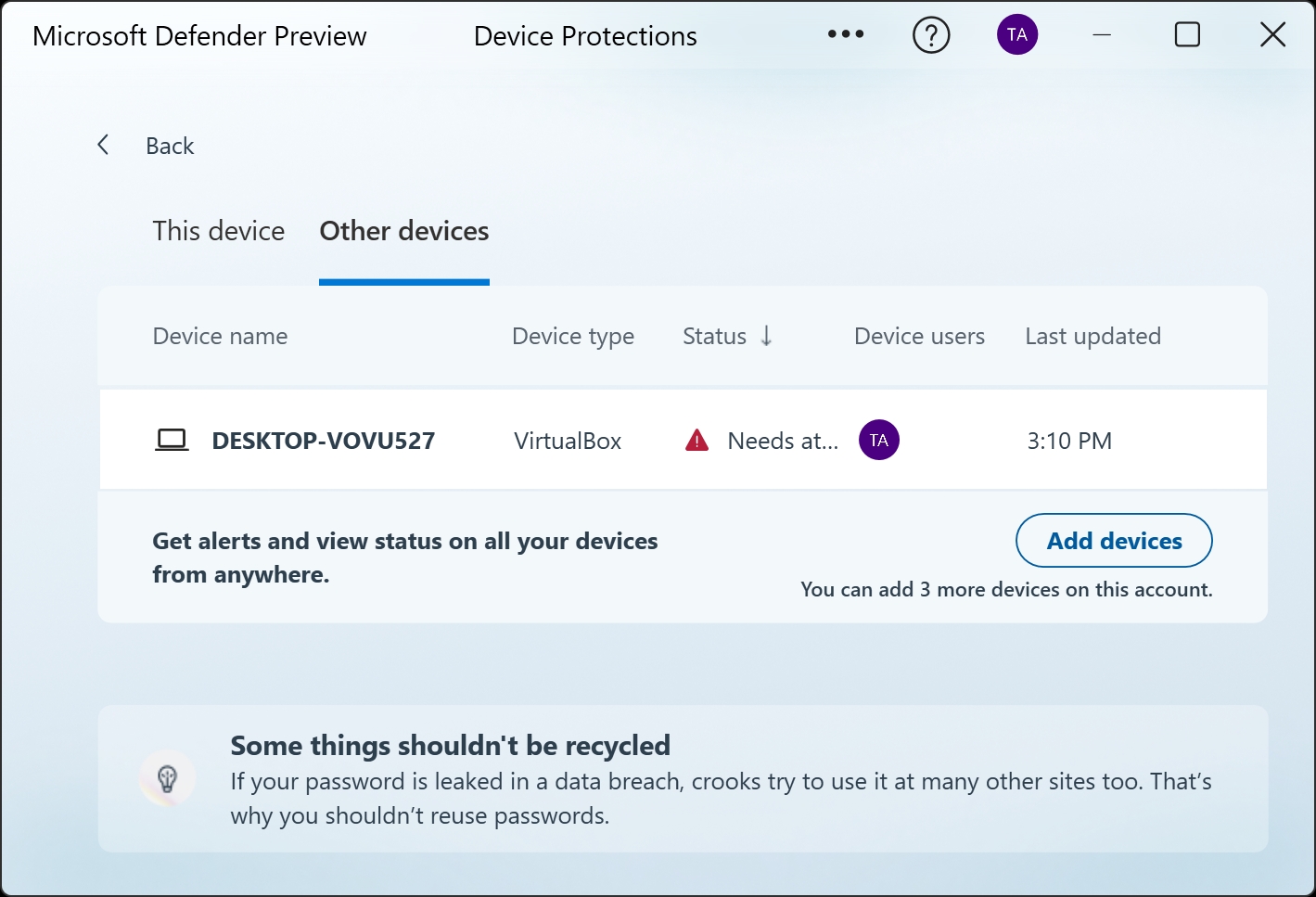
Microsoft tests new cloudbased Microsoft Defender for home users

Tutorial Enable and Use Defender Antivirus on Windows Server
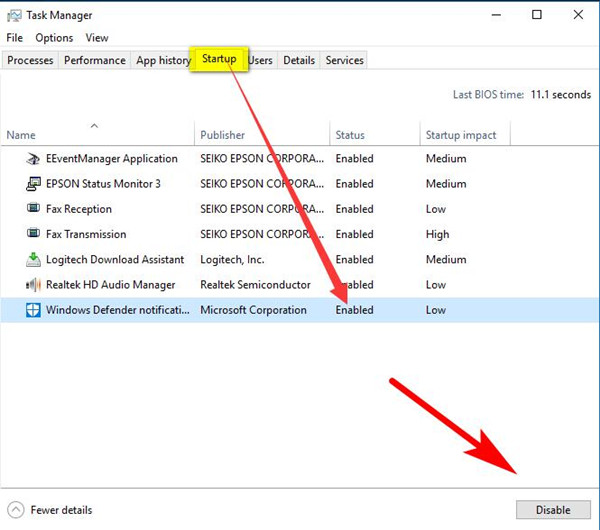
How to Change Startup Programs on Windows 11, 10, 7
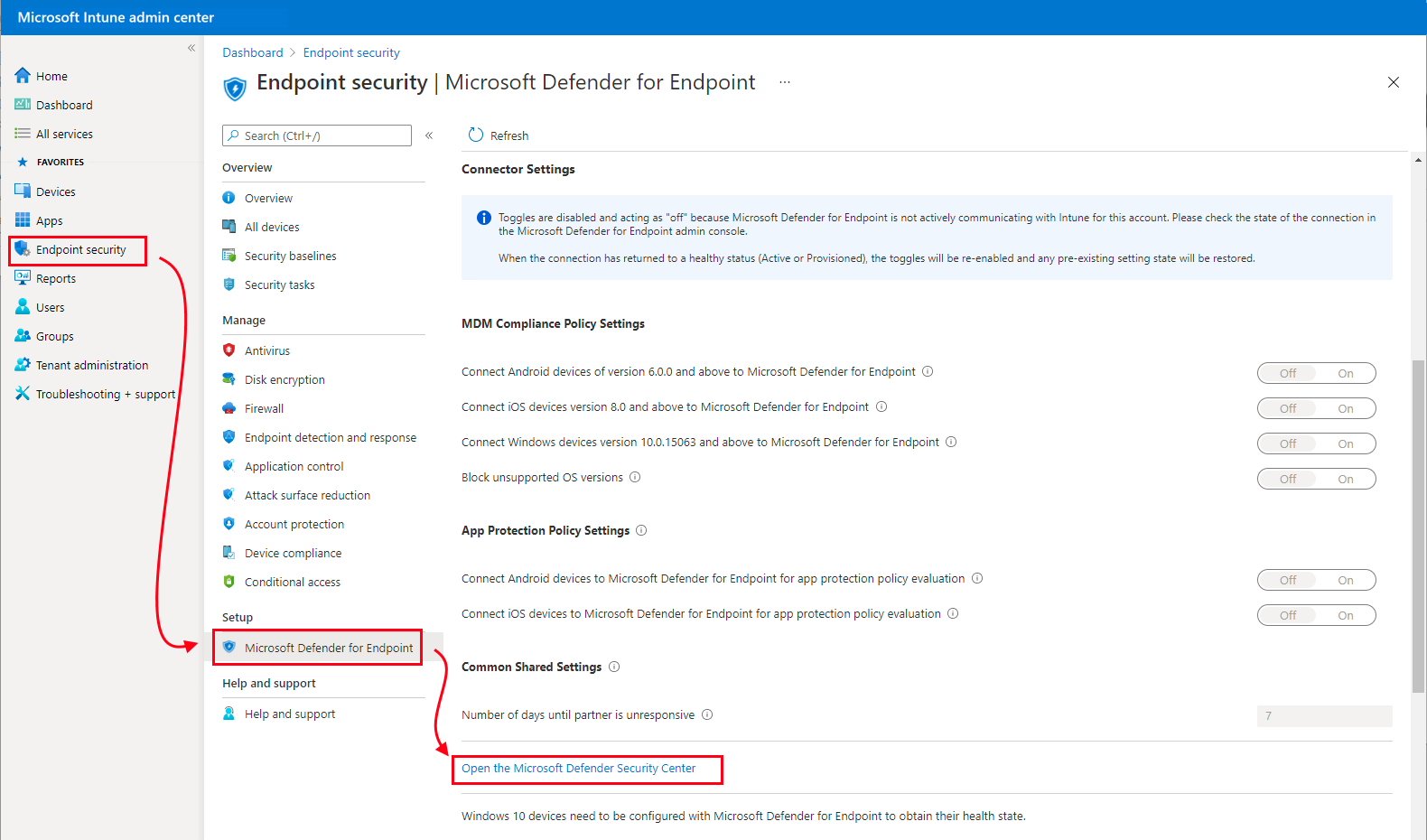
How to Onboard Microsoft Defender for Endpoint with Intune for Windows
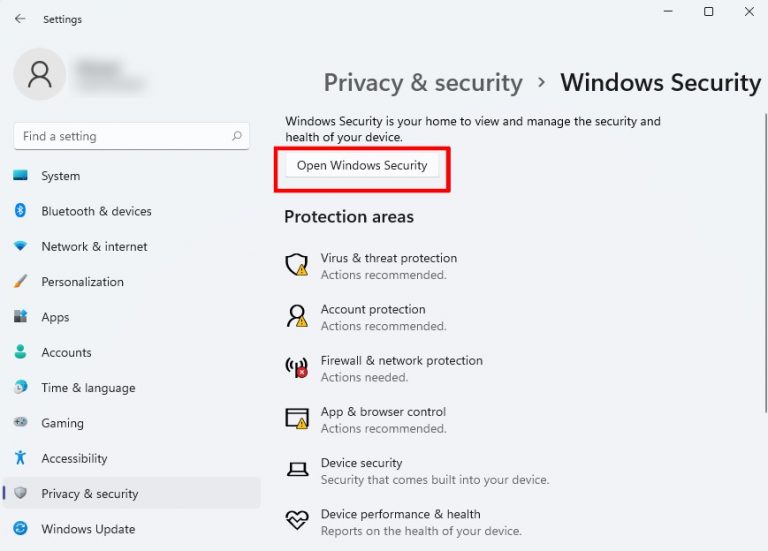
How to enable or disable Microsoft Defender in Windows 11

How to enable microsoft defender ffopbanner
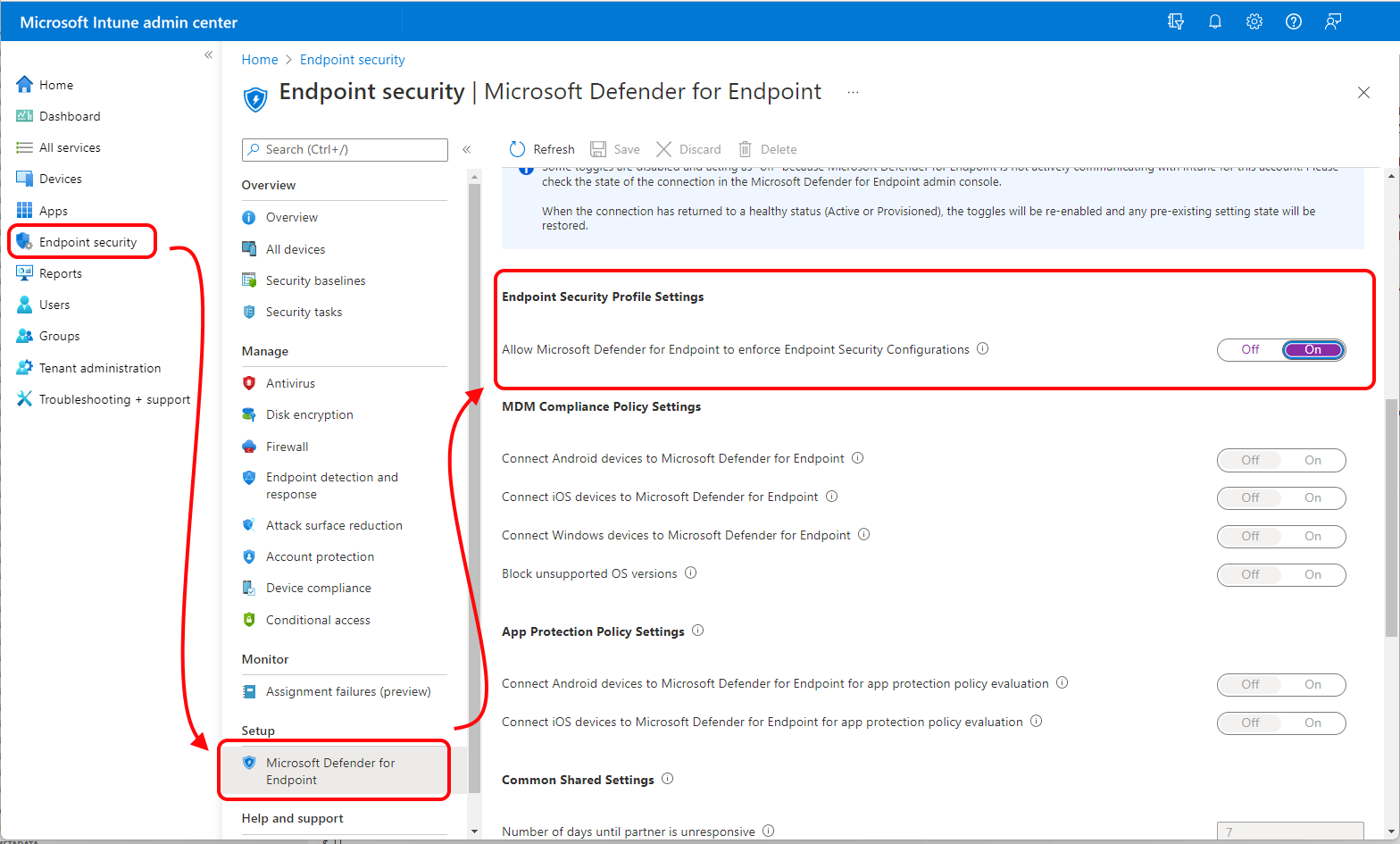
Learn about using Intune to manage Microsoft Defender settings on
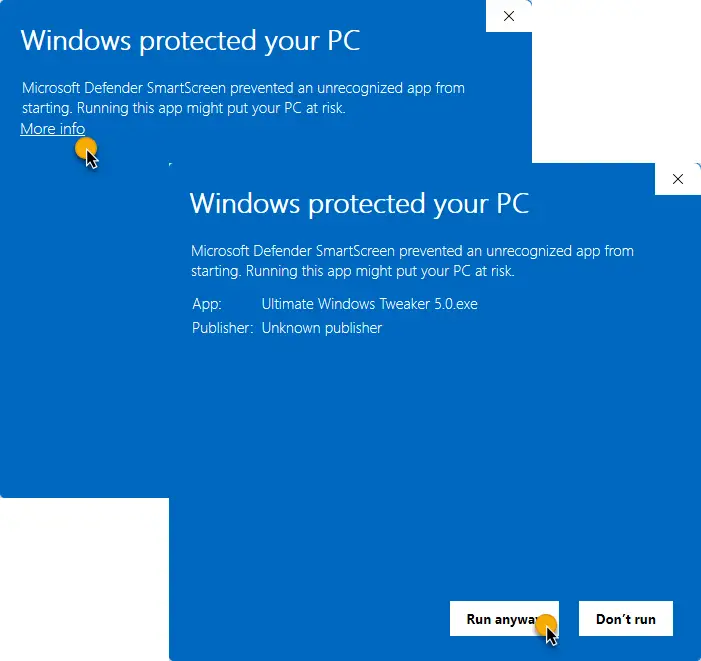
How to Enable or Start Windows Defender manually

How a Synthetic Registration in Entra ID Can Protect the Devices ASAP

How to enable Microsoft Defender for Cloud plans through the Azure portal

How to enable microsoft defender bluegre

Microsoft Defender for Endpoint (MDE) Getting started for Windows 365
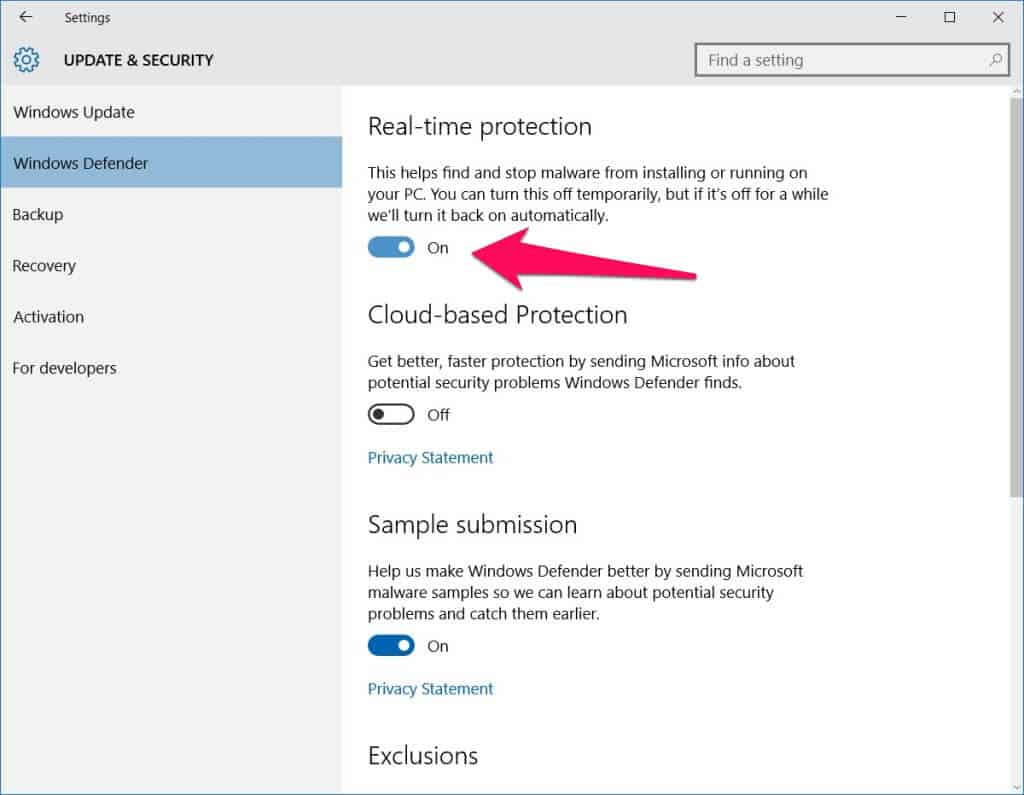
How to Turn on Windows Defender in Windows 10

Zerohour autopurge (ZAP) in Teams for organizations with Defender for

How to Turn on Windows Defender in Windows 11

How to enable Microsoft Defender for Cloud plans through the Azure portal

How to Enable Windows Defender in Windows 10 YouTube
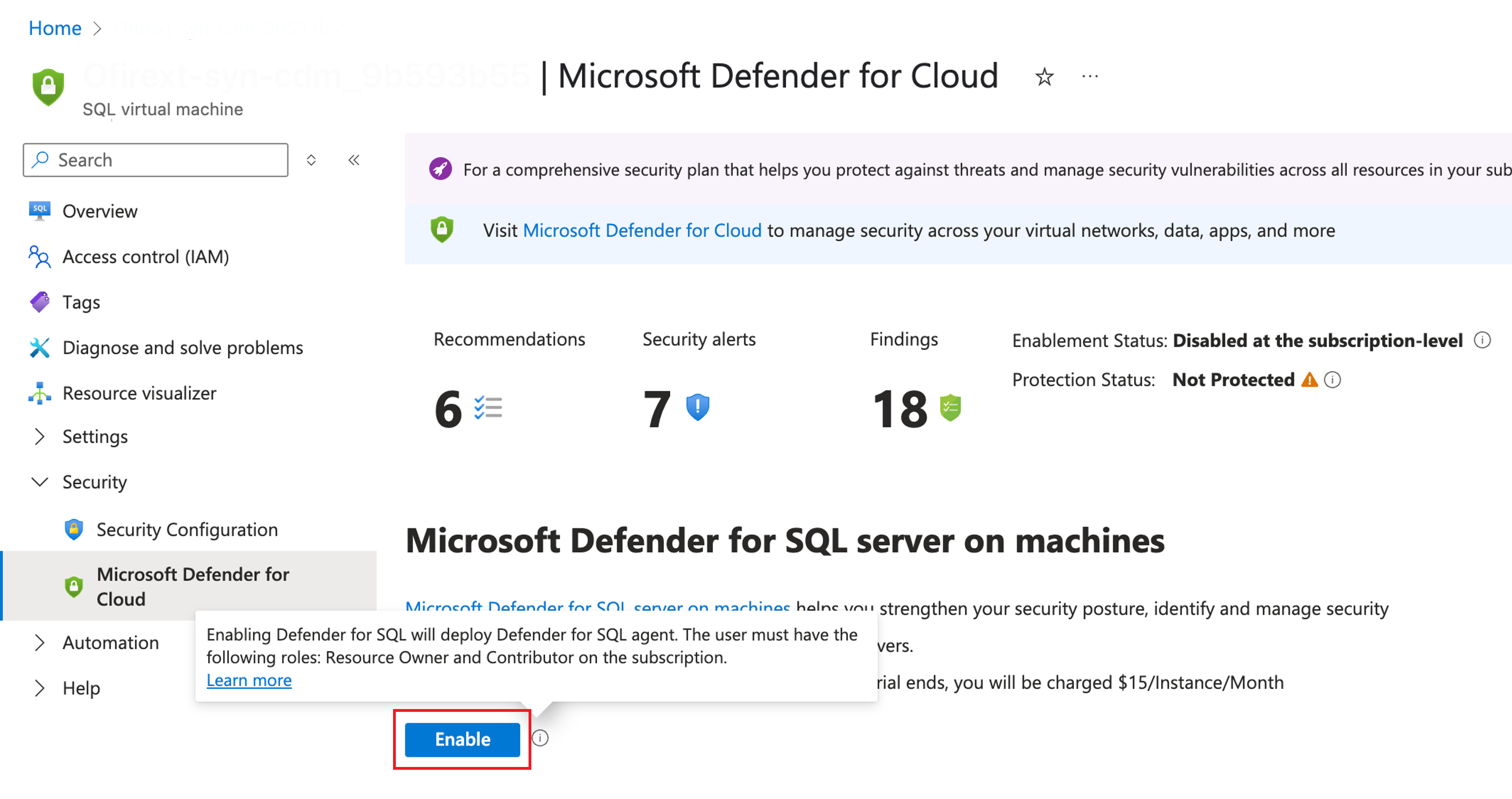
Enable Microsoft Defender for SQL Servers on Machines Microsoft
Microsoft Defender for Business Configuration and mangement with Intune

How to Disable Microsoft Windows Defender and Whether You Should
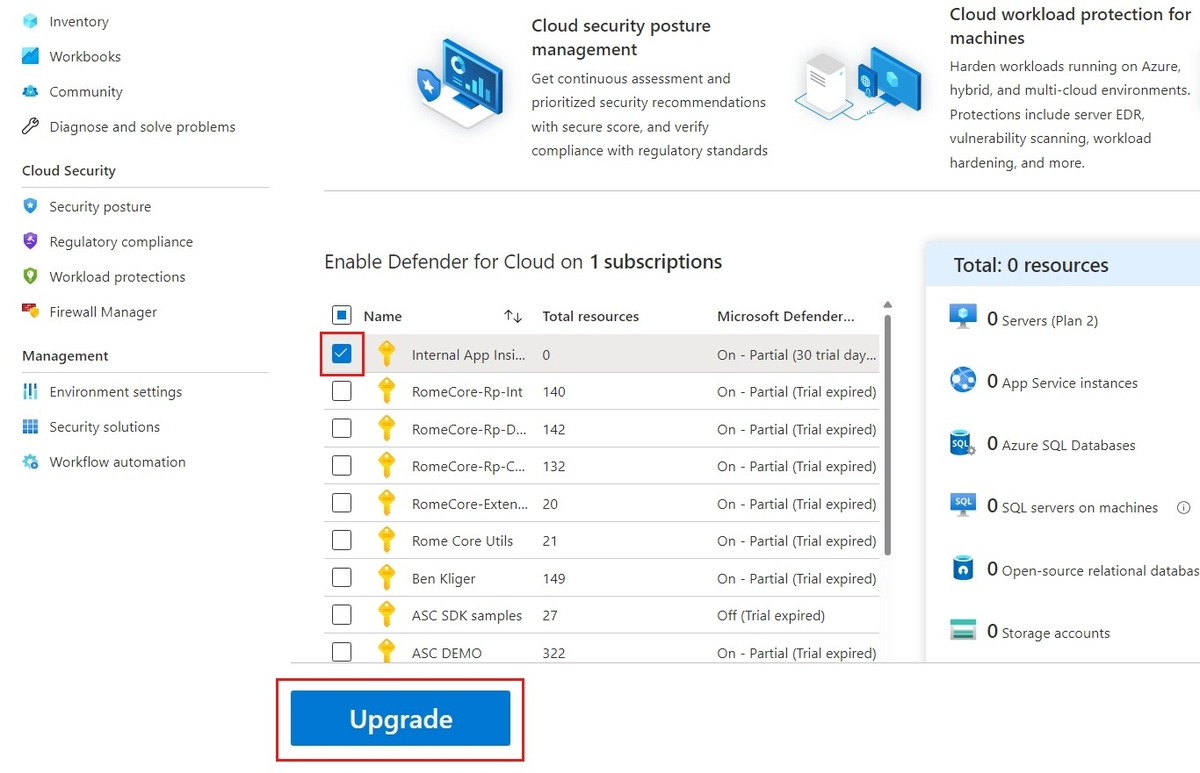
How to enable Microsoft Defender for Cloud plans through the Azure portal

Startup Manager in Windows 10 What it is and how to use

Microsoft Defender for Business

Best Methods to Enable Microsoft Defender Application Guard in Windows
Indicating Opinion, Advice, Or Instruction,.
It Also Describes The Use Of Should, Use Of Shall, And Would And Use Of ‘Should Have’.
The Simple Definition Of Should Is —Used To Say Or Suggest That Something Is The Proper, Reasonable, Or Best Thing To Do.
The Meaning Of Should Is —Used In Auxiliary Function To Express Condition —Usually Used With If.
Related Post:
