Replication To Azure Sql Database
Replication To Azure Sql Database - How to use replication in a sentence. The new strand will be complementary to the parental or “old” strand. During dna replication, each of the cell’s chromosomes is copied, forming a pair of sister chromatids attached at the centromere, ready to be divided into two daughter cells. Before a cell divides, it must first copy (or replicate) its entire genome so that each resulting daughter cell ends up. Also, learn the replication steps in order with a labeled diagram. Dna replication is the process by which the genome’s dna is copied in cells. For this to happen, the dna must be copied through a process called dna replication. When & where does the process occur. During dna replication, each of the two strands that make up the double helix serves as a template from which new strands are copied. The meaning of replication is answer, reply. Dna replication is a fundamental biological process by which a cell duplicates its entire dna. Biologically, replication describes the molecular process by which living cells make an exact copy of their genetic material, deoxyribonucleic acid (dna). Dna replication is the process by which the genome’s dna is copied in cells. Dna replication is the process of producing two identical copies. The meaning of replication is answer, reply. Before a cell divides, it must first copy (or replicate) its entire genome so that each resulting daughter cell ends up. Dna replication is the process by which the genome’s dna is copied in cells. Dna replication is the process of producing two identical copies of dna from one original dna molecule. During. Before a cell divides, it must first copy (or replicate) its entire genome so that each resulting daughter cell ends up. During dna replication, each of the cell’s chromosomes is copied, forming a pair of sister chromatids attached at the centromere, ready to be divided into two daughter cells. During dna replication, each of the two strands that make up. Dna replication is the process by which the genome’s dna is copied in cells. During replication, the two strands are separated, and each strand of the original dna molecule then serves as a template for the production of a complementary counterpart strand, a process referred to. The new strand will be complementary to the parental or “old” strand. Learn how. This biological mechanism is the foundation for all life,. Dna replication is a fundamental biological process by which a cell duplicates its entire dna. Learn how & why dna is replicated. During dna replication, each of the two strands that make up the double helix serves as a template from which new strands are copied. Before a cell divides, it. Dna replication is the process of producing two identical copies of dna from one original dna molecule. The replication of dna occurs during the synthesis phase, or s phase, of the cell cycle, before the cell enters mitosis. Before a cell divides, it must first copy (or replicate) its entire genome so that each resulting daughter cell ends up. Dna. When & where does the process occur. During replication, the two strands are separated, and each strand of the original dna molecule then serves as a template for the production of a complementary counterpart strand, a process referred to. How to use replication in a sentence. During dna replication, each of the two strands that make up the double helix. Dna replication is a fundamental biological process by which a cell duplicates its entire dna. Also, learn the replication steps in order with a labeled diagram. The replication of dna occurs during the synthesis phase, or s phase, of the cell cycle, before the cell enters mitosis. During replication, the two strands are separated, and each strand of the original. Dna replication is the process by which the genome’s dna is copied in cells. The new strand will be complementary to the parental or “old” strand. This biological mechanism is the foundation for all life,. During dna replication, each of the two strands that make up the double helix serves as a template from which new strands are copied. Before. Dna replication is the process by which the genome’s dna is copied in cells. Dna replication is the process of producing two identical copies of dna from one original dna molecule. The meaning of replication is answer, reply. During dna replication, each of the cell’s chromosomes is copied, forming a pair of sister chromatids attached at the centromere, ready to. During replication, the two strands are separated, and each strand of the original dna molecule then serves as a template for the production of a complementary counterpart strand, a process referred to. During dna replication, each of the cell’s chromosomes is copied, forming a pair of sister chromatids attached at the centromere, ready to be divided into two daughter cells.. Biologically, replication describes the molecular process by which living cells make an exact copy of their genetic material, deoxyribonucleic acid (dna). Dna replication is a fundamental biological process by which a cell duplicates its entire dna. The meaning of replication is answer, reply. Learn how & why dna is replicated. During replication, the two strands are separated, and each strand. Dna replication is the process of producing two identical copies of dna from one original dna molecule. This biological mechanism is the foundation for all life,. Dna replication is a fundamental biological process by which a cell duplicates its entire dna. Dna replication is the process by which the genome’s dna is copied in cells. For this to happen, the. During dna replication, each of the two strands that make up the double helix serves as a template from which new strands are copied. Before a cell divides, it must first copy (or replicate) its entire genome so that each resulting daughter cell ends up. Biologically, replication describes the molecular process by which living cells make an exact copy of. Also, learn the replication steps in order with a labeled diagram. Biologically, replication describes the molecular process by which living cells make an exact copy of their genetic material, deoxyribonucleic acid (dna). Dna replication is the process of producing two identical copies of dna from one original dna molecule. Dna replication is the process by which the genome’s dna is. During replication, the two strands are separated, and each strand of the original dna molecule then serves as a template for the production of a complementary counterpart strand, a process referred to. Before a cell divides, it must first copy (or replicate) its entire genome so that each resulting daughter cell ends up. This biological mechanism is the foundation for. When & where does the process occur. During dna replication, each of the two strands that make up the double helix serves as a template from which new strands are copied. How to use replication in a sentence. During dna replication, each of the cell’s chromosomes is copied, forming a pair of sister chromatids attached at the centromere, ready to. Also, learn the replication steps in order with a labeled diagram. The replication of dna occurs during the synthesis phase, or s phase, of the cell cycle, before the cell enters mitosis. Dna replication is the process of producing two identical copies of dna from one original dna molecule. The meaning of replication is answer, reply. Before a cell divides,. The new strand will be complementary to the parental or “old” strand. Learn how & why dna is replicated. Before a cell divides, it must first copy (or replicate) its entire genome so that each resulting daughter cell ends up. Also, learn the replication steps in order with a labeled diagram. During replication, the two strands are separated, and each. Also, learn the replication steps in order with a labeled diagram. Dna replication is the process by which the genome’s dna is copied in cells. How to use replication in a sentence. The replication of dna occurs during the synthesis phase, or s phase, of the cell cycle, before the cell enters mitosis. During replication, the two strands are separated,. Before a cell divides, it must first copy (or replicate) its entire genome so that each resulting daughter cell ends up. The meaning of replication is answer, reply. The new strand will be complementary to the parental or “old” strand. Dna replication is the process by which the genome’s dna is copied in cells. Also, learn the replication steps in. The replication of dna occurs during the synthesis phase, or s phase, of the cell cycle, before the cell enters mitosis. The meaning of replication is answer, reply. During dna replication, each of the two strands that make up the double helix serves as a template from which new strands are copied. Also, learn the replication steps in order with. The new strand will be complementary to the parental or “old” strand. Dna replication is a fundamental biological process by which a cell duplicates its entire dna. How to use replication in a sentence. During replication, the two strands are separated, and each strand of the original dna molecule then serves as a template for the production of a complementary. Biologically, replication describes the molecular process by which living cells make an exact copy of their genetic material, deoxyribonucleic acid (dna). This biological mechanism is the foundation for all life,. The meaning of replication is answer, reply. How to use replication in a sentence. Dna replication is the process by which the genome’s dna is copied in cells. Also, learn the replication steps in order with a labeled diagram. This biological mechanism is the foundation for all life,. Dna replication is a fundamental biological process by which a cell duplicates its entire dna. The replication of dna occurs during the synthesis phase, or s phase, of the cell cycle, before the cell enters mitosis. The new strand will. For this to happen, the dna must be copied through a process called dna replication. Learn how & why dna is replicated. During dna replication, each of the cell’s chromosomes is copied, forming a pair of sister chromatids attached at the centromere, ready to be divided into two daughter cells. The replication of dna occurs during the synthesis phase, or. The new strand will be complementary to the parental or “old” strand. This biological mechanism is the foundation for all life,. During dna replication, each of the two strands that make up the double helix serves as a template from which new strands are copied. When & where does the process occur. During replication, the two strands are separated, and. For this to happen, the dna must be copied through a process called dna replication. During dna replication, each of the two strands that make up the double helix serves as a template from which new strands are copied. Dna replication is the process of producing two identical copies of dna from one original dna molecule. The new strand will. The meaning of replication is answer, reply. When & where does the process occur. For this to happen, the dna must be copied through a process called dna replication. Biologically, replication describes the molecular process by which living cells make an exact copy of their genetic material, deoxyribonucleic acid (dna). During dna replication, each of the two strands that make. Dna replication is the process by which the genome’s dna is copied in cells. Also, learn the replication steps in order with a labeled diagram. Learn how & why dna is replicated. The meaning of replication is answer, reply. The replication of dna occurs during the synthesis phase, or s phase, of the cell cycle, before the cell enters mitosis. During dna replication, each of the cell’s chromosomes is copied, forming a pair of sister chromatids attached at the centromere, ready to be divided into two daughter cells. Dna replication is the process by which the genome’s dna is copied in cells. The meaning of replication is answer, reply. During dna replication, each of the two strands that make up. The new strand will be complementary to the parental or “old” strand. Dna replication is the process by which the genome’s dna is copied in cells. Biologically, replication describes the molecular process by which living cells make an exact copy of their genetic material, deoxyribonucleic acid (dna). When & where does the process occur. Before a cell divides, it must. During dna replication, each of the two strands that make up the double helix serves as a template from which new strands are copied. The new strand will be complementary to the parental or “old” strand. During replication, the two strands are separated, and each strand of the original dna molecule then serves as a template for the production of. Also, learn the replication steps in order with a labeled diagram. During dna replication, each of the cell’s chromosomes is copied, forming a pair of sister chromatids attached at the centromere, ready to be divided into two daughter cells. The new strand will be complementary to the parental or “old” strand. During dna replication, each of the two strands that. The meaning of replication is answer, reply. During replication, the two strands are separated, and each strand of the original dna molecule then serves as a template for the production of a complementary counterpart strand, a process referred to. How to use replication in a sentence. The new strand will be complementary to the parental or “old” strand. Learn how. During replication, the two strands are separated, and each strand of the original dna molecule then serves as a template for the production of a complementary counterpart strand, a process referred to. The new strand will be complementary to the parental or “old” strand. For this to happen, the dna must be copied through a process called dna replication. Dna replication is the process by which the genome’s dna is copied in cells. Learn how & why dna is replicated. Dna replication is a fundamental biological process by which a cell duplicates its entire dna. Dna replication is the process of producing two identical copies of dna from one original dna molecule. The replication of dna occurs during the synthesis phase, or s phase, of the cell cycle, before the cell enters mitosis. Also, learn the replication steps in order with a labeled diagram. When & where does the process occur. The meaning of replication is answer, reply. During dna replication, each of the cell’s chromosomes is copied, forming a pair of sister chromatids attached at the centromere, ready to be divided into two daughter cells. Biologically, replication describes the molecular process by which living cells make an exact copy of their genetic material, deoxyribonucleic acid (dna).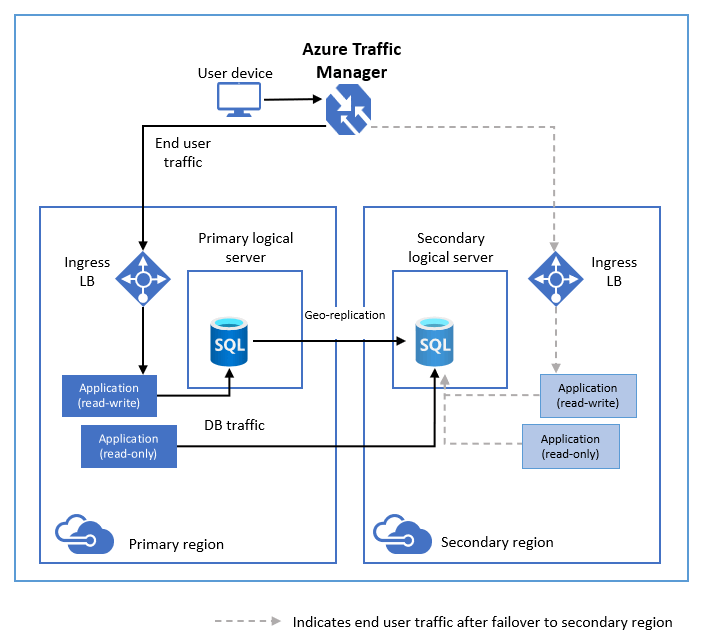
Active GeoReplication Azure SQL Database Microsoft Learn
![How to Migrate SQL Server to Azure SQL Database [2025 Guide]](https://red9.com/wp-content/uploads/2024/02/Figure-5-–-Migrating-SQL-Server-to-Azure-using-transactional-replication.jpg)
How to Migrate SQL Server to Azure SQL Database [2025 Guide]
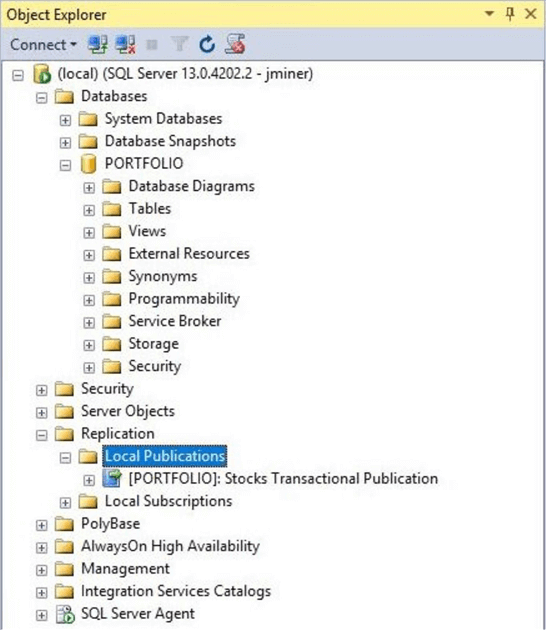
Using Transactional Replication with an Azure SQL Database
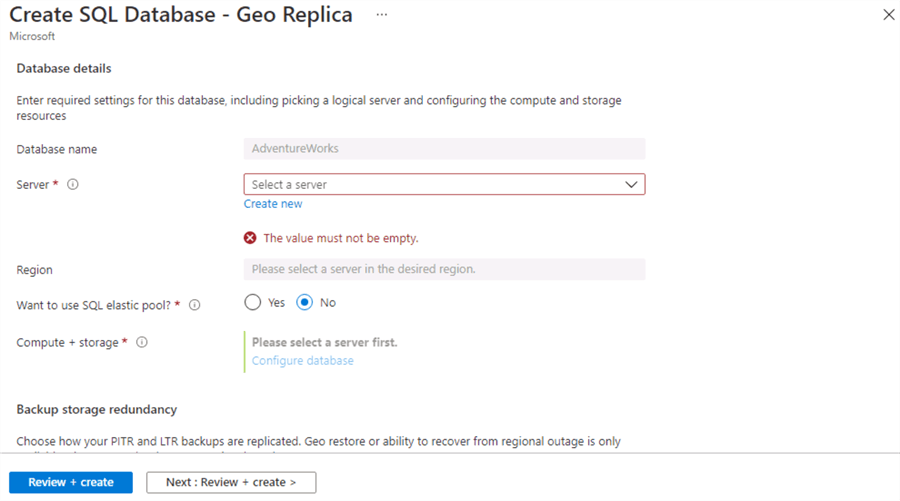
Setup and Configure a Failover Database for Azure SQL Database
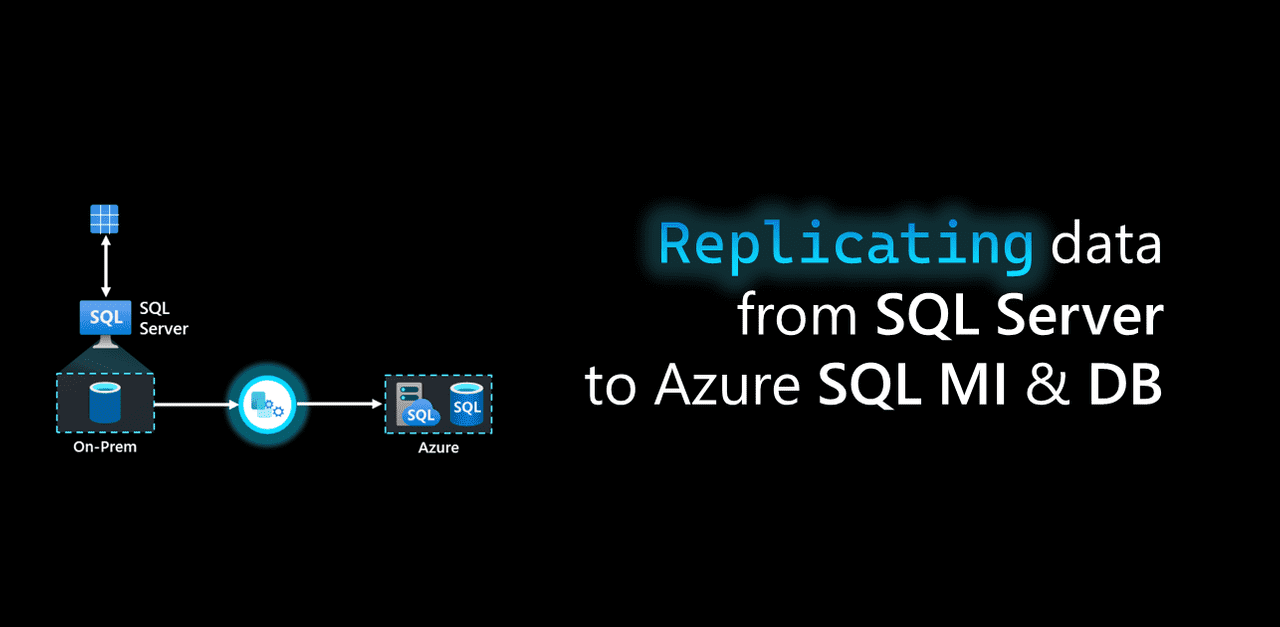
Replicating data from SQL Server to Azure SQL MI & DB Raki Rahman

Azure SQL Database GeoReplication Setup Guide for Remote Developers
Configuring Azure SQL Replication PDF Microsoft Sql Server Databases
Data Replication Tools in Azure SQL Databases
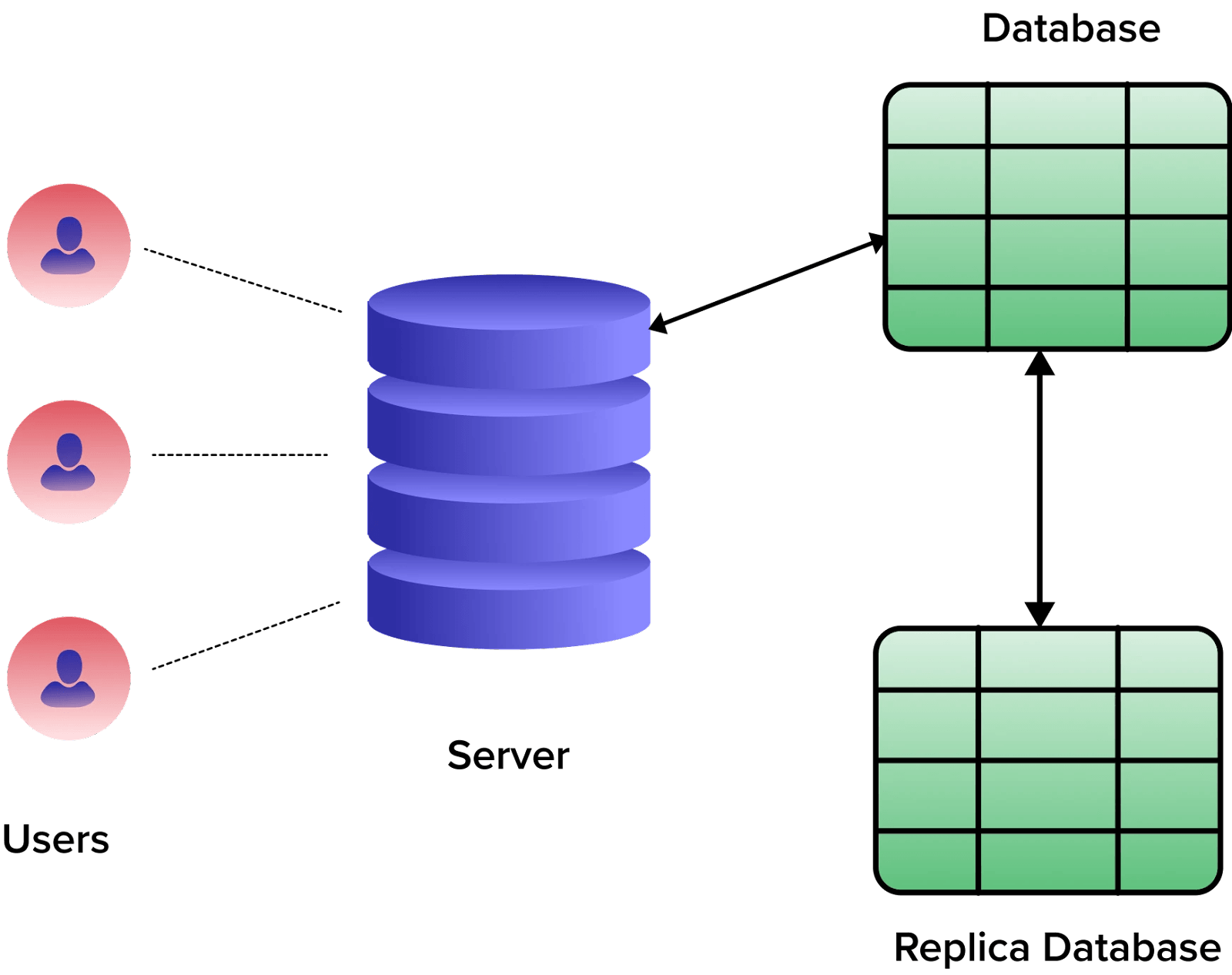
Replicate Sql Add New Database To Replication

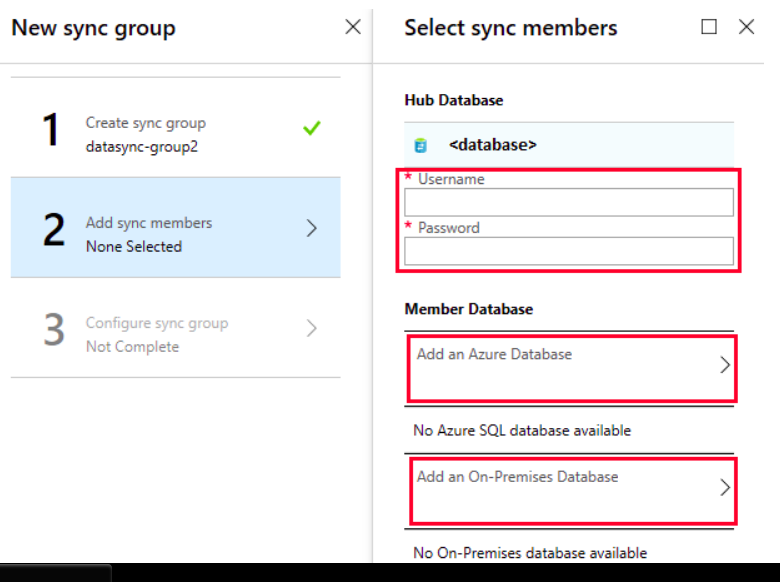
Azure SQL Replication StepbyStep Guide Airbyte
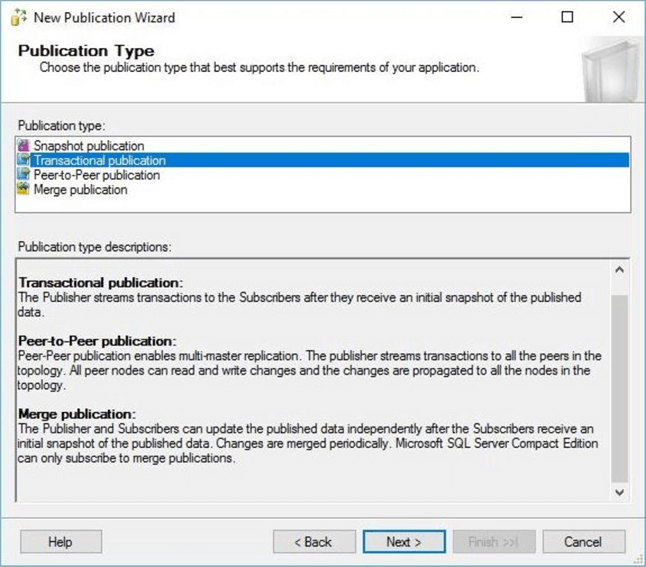
Using Transactional Replication with an Azure SQL Database

Azure SQL database GeoReplication
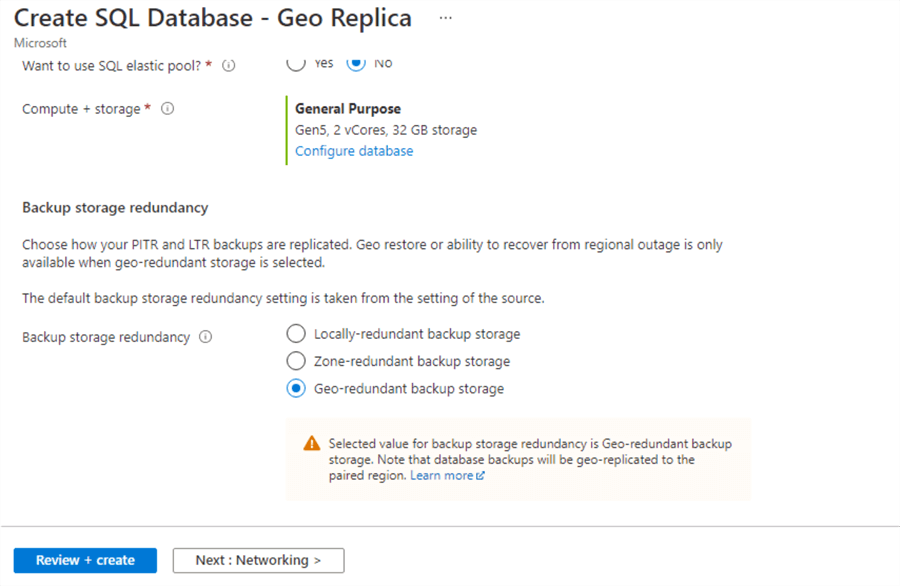
Setup and Configure a Failover Database for Azure SQL Database
Azure SQL Replication 3 Easy Methods Hevo

Azure SQL Databases GeoReplication

How to Configure MS SQL Server Replication
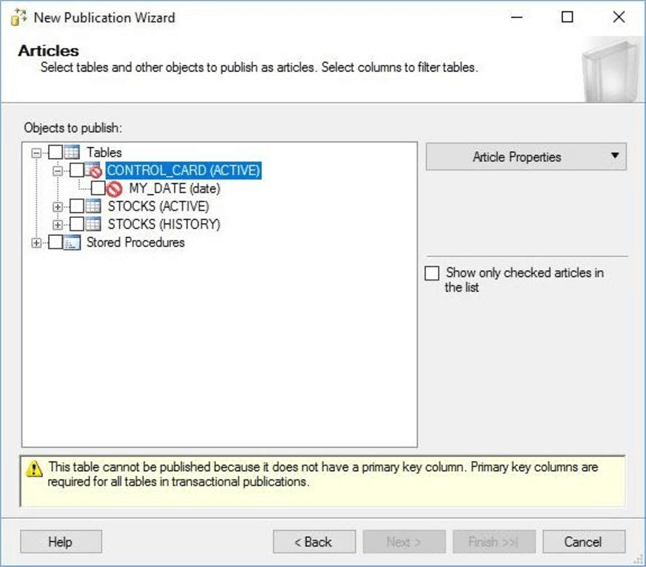
Using Transactional Replication with an Azure SQL Database

How To Replicate Azure SQL Database To Local Azure Lessons
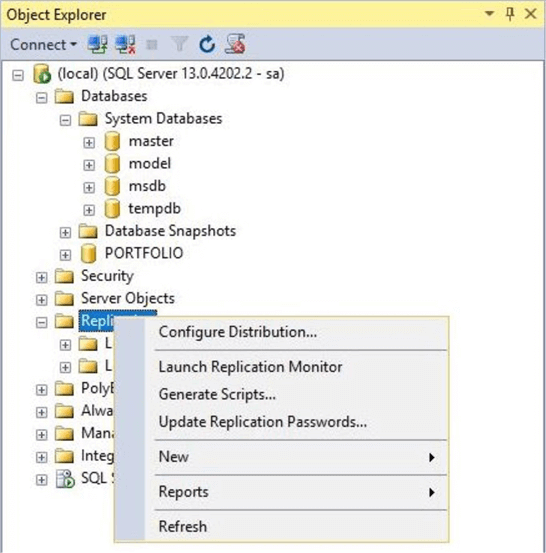
Using Transactional Replication with an Azure SQL Database

Installing Replication In Sql Server LFMP
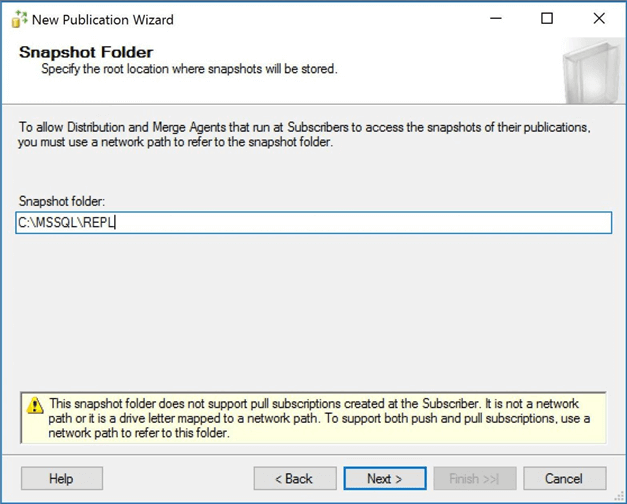
Using Transactional Replication with an Azure SQL Database

Anupama Natarajan Data Platform Tips 2 Active georeplication for
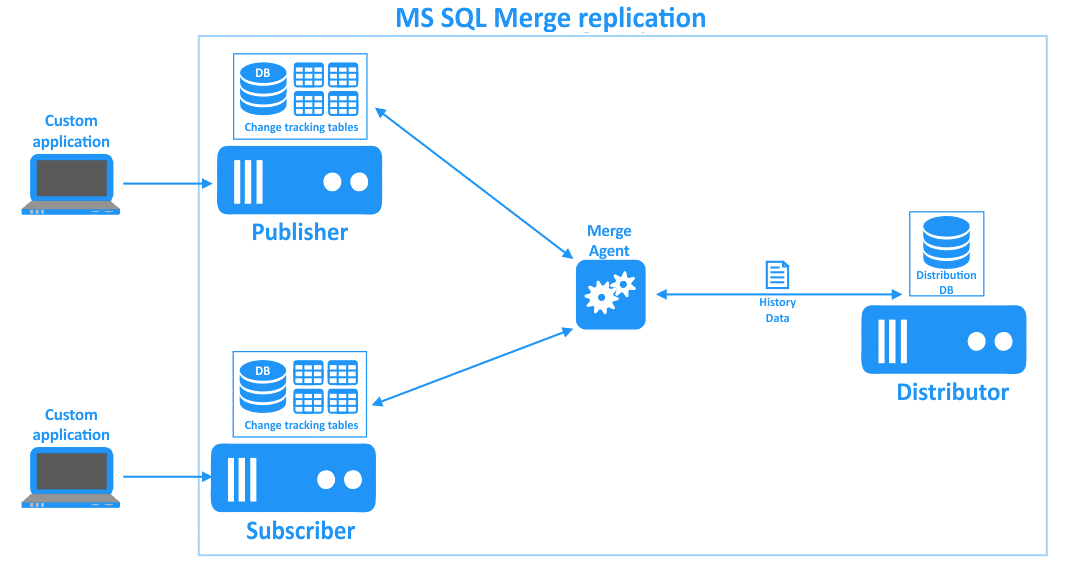
SQL Server Replication Types An Easy Guide Learn Hevo
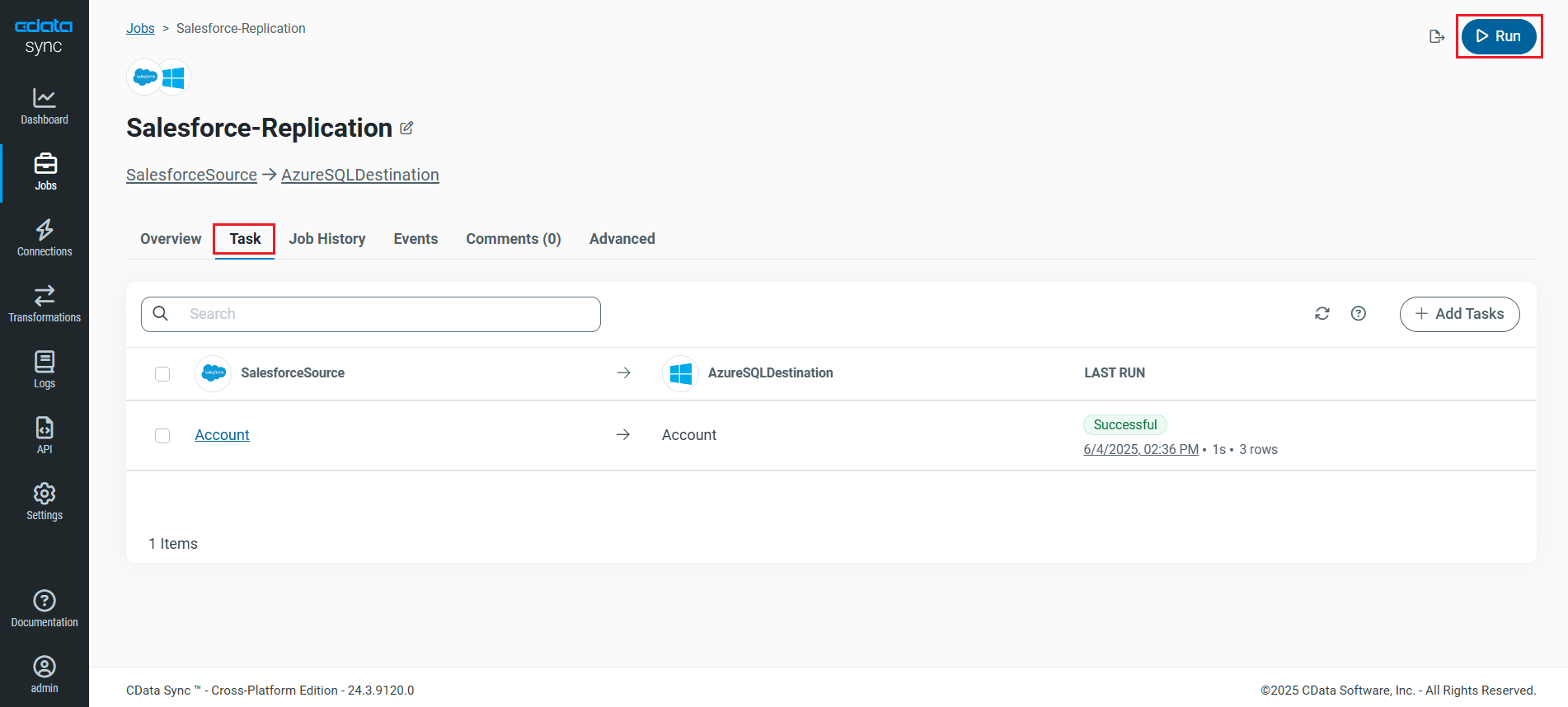
Automated Continuous Salesforce Replication to Azure SQL Database
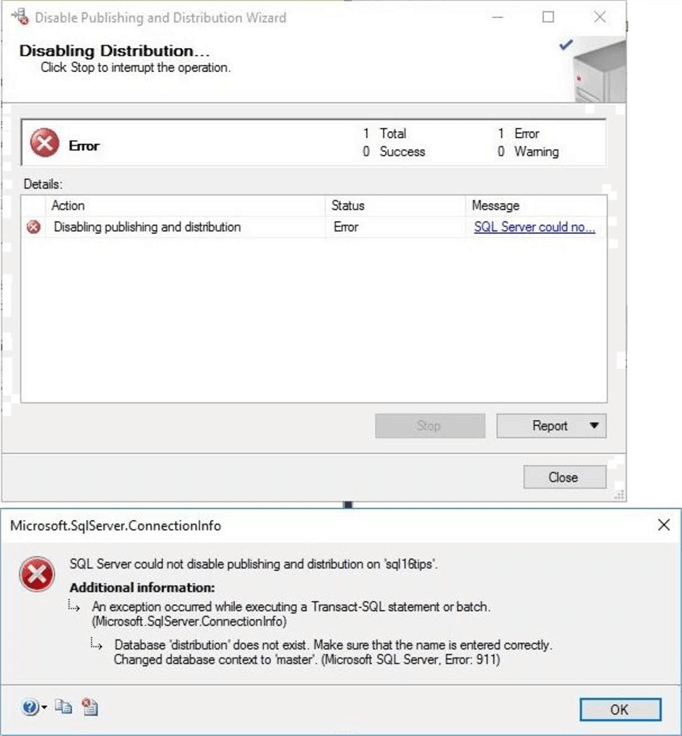
Using Transactional Replication with an Azure SQL Database

SQL Replication Types, Benefits, Setup Guide & Best Practices

How To Replicate Azure SQL Database To Local Azure Lessons
SQL Replication Lab setup from Azure Managed Instance to onpremises

Azure Replication to Azure SQL Database from SQL Server on Azure VM
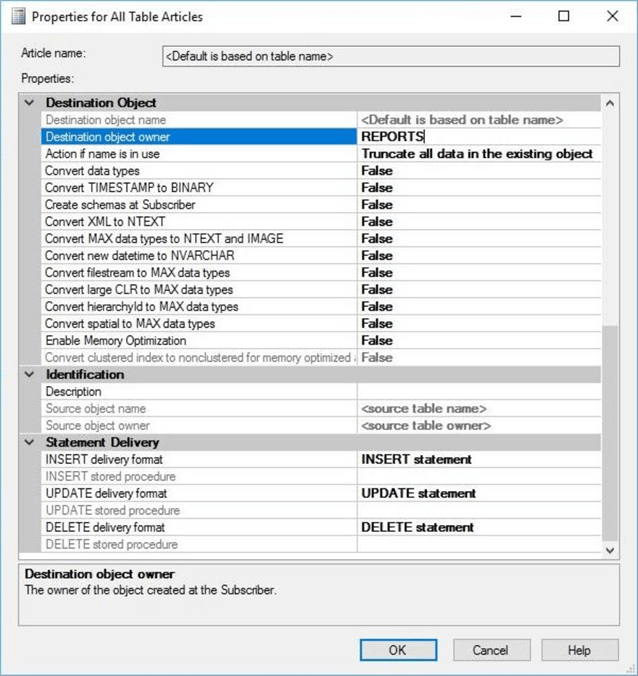
Using Transactional Replication with an Azure SQL Database
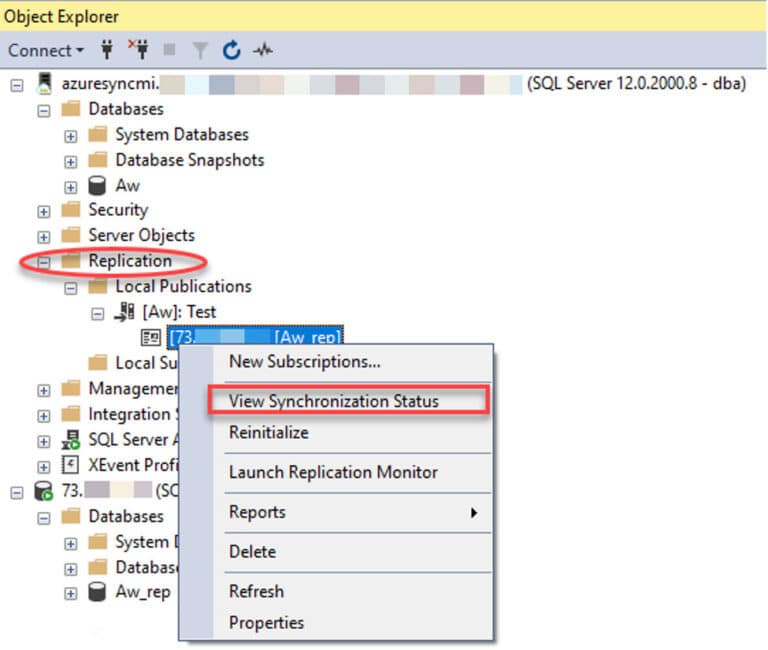
Azure SQL Managed Instance Replication to OnPrem SQL Server
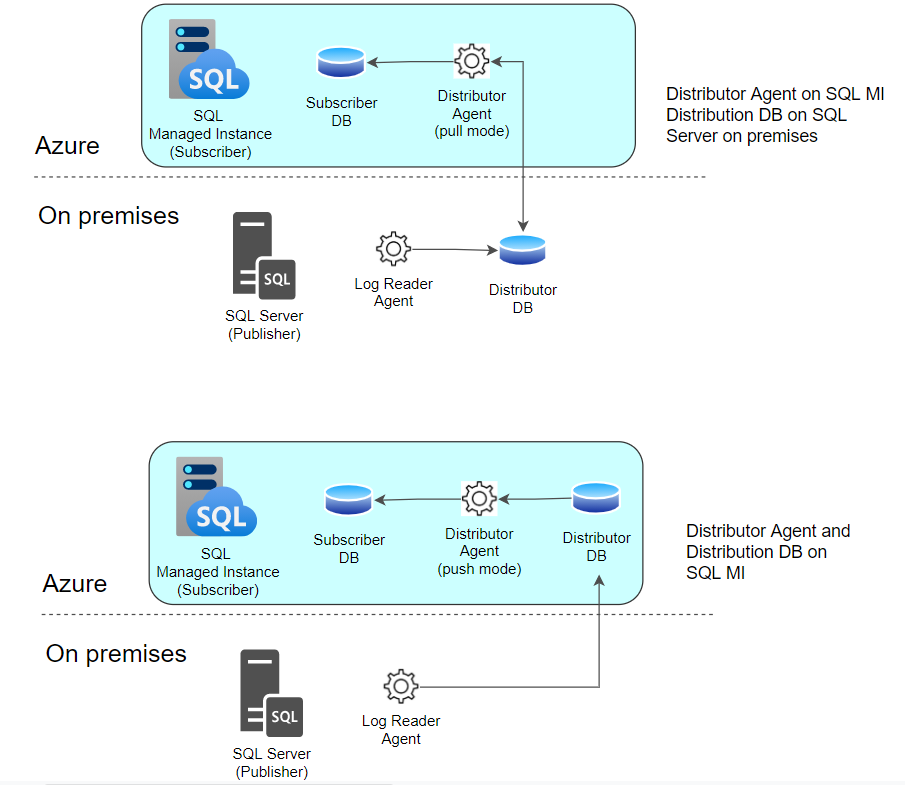
SQL Server OnPremises to Azure Managed Instance Transactional

Azure Synapse Link to Replicate SQL Server Data to a Synapse Workspace
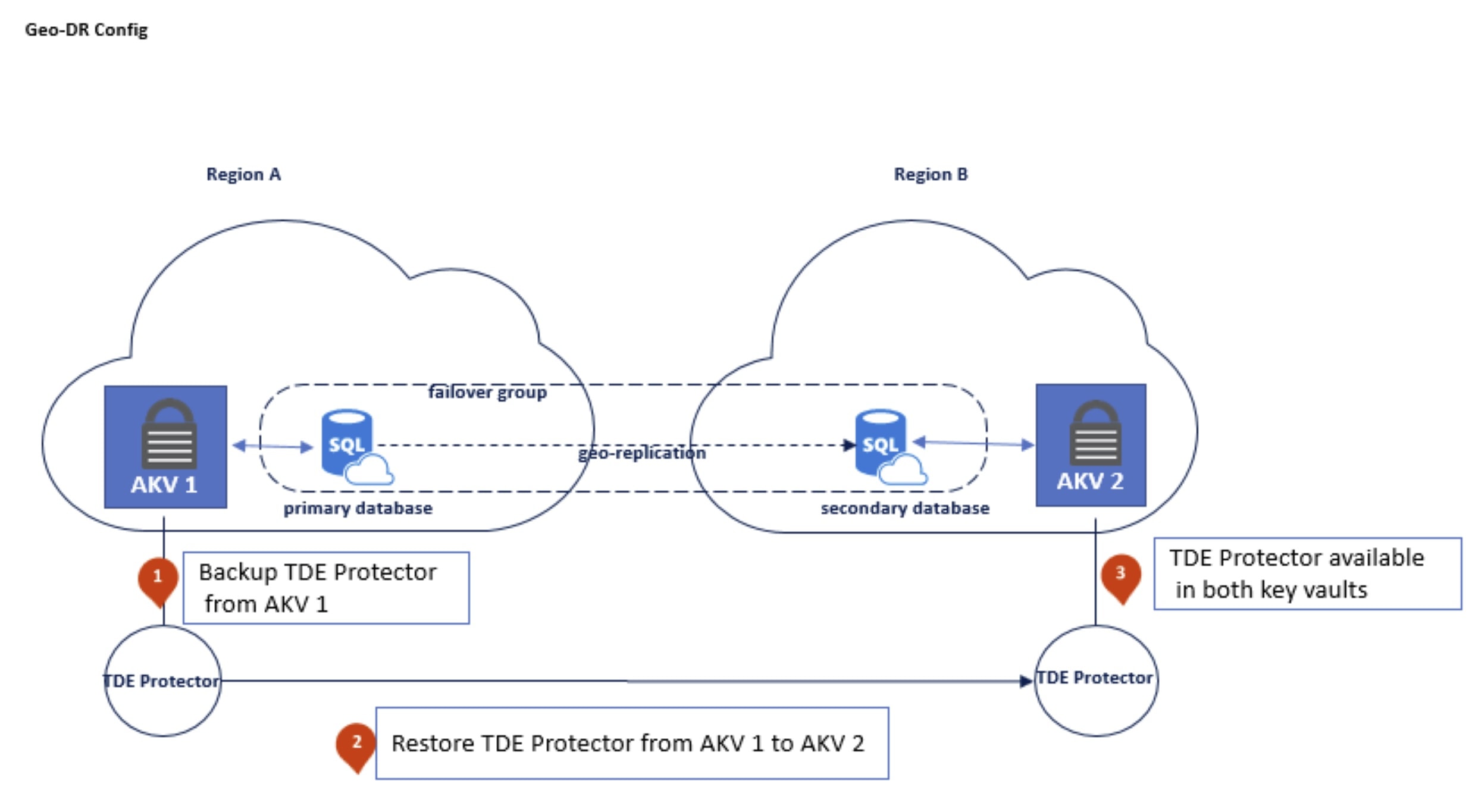
TDE BYOK and GeoReplication in Azure SQL DB SQLServerCentral

Microsoft Azure Sql Server Options YZIP
Before A Cell Divides, It Must First Copy (Or Replicate) Its Entire Genome So That Each Resulting Daughter Cell Ends Up.
During Dna Replication, Each Of The Two Strands That Make Up The Double Helix Serves As A Template From Which New Strands Are Copied.
This Biological Mechanism Is The Foundation For All Life,.
How To Use Replication In A Sentence.
Related Post: