
Mainframe Azure Migration
Mainframe Azure Migration - Comprehensive tutorials and resources for mainframe technologies and cobol programming. A mainframe computer is large but not as large as a supercomputer and has more processing power than some other classes of computers, such as minicomputers, workstations, and personal computers. A mainframe is the central data repository, or hub, in a corporation's data processing center, linked to users through less powerful devices such as workstations or terminals. They are designed to ensure that critical. Mainframe systems are computers able to process billions of calculations and transactions in real time, securely and reliably. The presence of a mainframe. A mainframe is a large, powerful and highly efficient computer system primarily used by organizations for processing vast amounts of data and running critical applications. A personal computer is built for one person’s tasks, like browsing or gaming, while a mainframe handles centralized computing for. This system supports multiple users and terminals in real time. The difference between a personal computer and a mainframe is clear: The difference between a personal computer and a mainframe is clear: The presence of a mainframe. A mainframe computer is large but not as large as a supercomputer and has more processing power than some other classes of computers, such as minicomputers, workstations, and personal computers. This system supports multiple users and terminals in real time. A mainframe is the. A mainframe computer is large but not as large as a supercomputer and has more processing power than some other classes of computers, such as minicomputers, workstations, and personal computers. The difference between a personal computer and a mainframe is clear: Comprehensive tutorials and resources for mainframe technologies and cobol programming. A mainframe is a large, powerful and highly efficient. A mainframe is a large, powerful and highly efficient computer system primarily used by organizations for processing vast amounts of data and running critical applications. Mainframe systems are computers able to process billions of calculations and transactions in real time, securely and reliably. They are designed to ensure that critical. A mainframe is the central data repository, or hub, in. A mainframe computer is large but not as large as a supercomputer and has more processing power than some other classes of computers, such as minicomputers, workstations, and personal computers. A mainframe is the central data repository, or hub, in a corporation's data processing center, linked to users through less powerful devices such as workstations or terminals. A mainframe is. A mainframe computer is large but not as large as a supercomputer and has more processing power than some other classes of computers, such as minicomputers, workstations, and personal computers. The difference between a personal computer and a mainframe is clear: A mainframe is the central data repository, or hub, in a corporation's data processing center, linked to users through. The presence of a mainframe. The difference between a personal computer and a mainframe is clear: A mainframe is the central data repository, or hub, in a corporation's data processing center, linked to users through less powerful devices such as workstations or terminals. Comprehensive tutorials and resources for mainframe technologies and cobol programming. This system supports multiple users and terminals. Comprehensive tutorials and resources for mainframe technologies and cobol programming. A mainframe computer is large but not as large as a supercomputer and has more processing power than some other classes of computers, such as minicomputers, workstations, and personal computers. A mainframe is the central data repository, or hub, in a corporation's data processing center, linked to users through less. A personal computer is built for one person’s tasks, like browsing or gaming, while a mainframe handles centralized computing for. Comprehensive tutorials and resources for mainframe technologies and cobol programming. A mainframe is a large, powerful and highly efficient computer system primarily used by organizations for processing vast amounts of data and running critical applications. Mainframe systems are computers able. The difference between a personal computer and a mainframe is clear: Comprehensive tutorials and resources for mainframe technologies and cobol programming. A mainframe computer is large but not as large as a supercomputer and has more processing power than some other classes of computers, such as minicomputers, workstations, and personal computers. A mainframe is a large, powerful and highly efficient. Comprehensive tutorials and resources for mainframe technologies and cobol programming. The difference between a personal computer and a mainframe is clear: They are designed to ensure that critical. A mainframe computer is large but not as large as a supercomputer and has more processing power than some other classes of computers, such as minicomputers, workstations, and personal computers. The presence. Mainframe systems are computers able to process billions of calculations and transactions in real time, securely and reliably. The difference between a personal computer and a mainframe is clear: They are designed to ensure that critical. A personal computer is built for one person’s tasks, like browsing or gaming, while a mainframe handles centralized computing for. This system supports multiple. Mainframe systems are computers able to process billions of calculations and transactions in real time, securely and reliably. A mainframe is a large, powerful and highly efficient computer system primarily used by organizations for processing vast amounts of data and running critical applications. A personal computer is built for one person’s tasks, like browsing or gaming, while a mainframe handles. Comprehensive tutorials and resources for mainframe technologies and cobol programming. This system supports multiple users and terminals in real time. A mainframe computer is large but not as large as a supercomputer and has more processing power than some other classes of computers, such as minicomputers, workstations, and personal computers. A mainframe is the central data repository, or hub, in. This system supports multiple users and terminals in real time. Mainframe systems are computers able to process billions of calculations and transactions in real time, securely and reliably. A mainframe computer is large but not as large as a supercomputer and has more processing power than some other classes of computers, such as minicomputers, workstations, and personal computers. A mainframe. Comprehensive tutorials and resources for mainframe technologies and cobol programming. The difference between a personal computer and a mainframe is clear: Mainframe systems are computers able to process billions of calculations and transactions in real time, securely and reliably. They are designed to ensure that critical. A mainframe computer is large but not as large as a supercomputer and has. A personal computer is built for one person’s tasks, like browsing or gaming, while a mainframe handles centralized computing for. A mainframe computer is large but not as large as a supercomputer and has more processing power than some other classes of computers, such as minicomputers, workstations, and personal computers. Mainframe systems are computers able to process billions of calculations. Mainframe systems are computers able to process billions of calculations and transactions in real time, securely and reliably. A mainframe is the central data repository, or hub, in a corporation's data processing center, linked to users through less powerful devices such as workstations or terminals. Comprehensive tutorials and resources for mainframe technologies and cobol programming. The difference between a personal. This system supports multiple users and terminals in real time. Mainframe systems are computers able to process billions of calculations and transactions in real time, securely and reliably. A mainframe computer is large but not as large as a supercomputer and has more processing power than some other classes of computers, such as minicomputers, workstations, and personal computers. A mainframe. Comprehensive tutorials and resources for mainframe technologies and cobol programming. A mainframe is a large, powerful and highly efficient computer system primarily used by organizations for processing vast amounts of data and running critical applications. Mainframe systems are computers able to process billions of calculations and transactions in real time, securely and reliably. The presence of a mainframe. A personal. They are designed to ensure that critical. The presence of a mainframe. A mainframe is a large, powerful and highly efficient computer system primarily used by organizations for processing vast amounts of data and running critical applications. A personal computer is built for one person’s tasks, like browsing or gaming, while a mainframe handles centralized computing for. A mainframe is. A personal computer is built for one person’s tasks, like browsing or gaming, while a mainframe handles centralized computing for. The presence of a mainframe. Comprehensive tutorials and resources for mainframe technologies and cobol programming. A mainframe is the central data repository, or hub, in a corporation's data processing center, linked to users through less powerful devices such as workstations. A mainframe is the central data repository, or hub, in a corporation's data processing center, linked to users through less powerful devices such as workstations or terminals. A personal computer is built for one person’s tasks, like browsing or gaming, while a mainframe handles centralized computing for. A mainframe is a large, powerful and highly efficient computer system primarily used. They are designed to ensure that critical. This system supports multiple users and terminals in real time. A mainframe is a large, powerful and highly efficient computer system primarily used by organizations for processing vast amounts of data and running critical applications. The presence of a mainframe. Comprehensive tutorials and resources for mainframe technologies and cobol programming. They are designed to ensure that critical. Comprehensive tutorials and resources for mainframe technologies and cobol programming. A mainframe computer is large but not as large as a supercomputer and has more processing power than some other classes of computers, such as minicomputers, workstations, and personal computers. A personal computer is built for one person’s tasks, like browsing or gaming,. The presence of a mainframe. A mainframe is the central data repository, or hub, in a corporation's data processing center, linked to users through less powerful devices such as workstations or terminals. The difference between a personal computer and a mainframe is clear: Comprehensive tutorials and resources for mainframe technologies and cobol programming. This system supports multiple users and terminals. A mainframe computer is large but not as large as a supercomputer and has more processing power than some other classes of computers, such as minicomputers, workstations, and personal computers. A mainframe is a large, powerful and highly efficient computer system primarily used by organizations for processing vast amounts of data and running critical applications. The difference between a personal. This system supports multiple users and terminals in real time. A personal computer is built for one person’s tasks, like browsing or gaming, while a mainframe handles centralized computing for. A mainframe computer is large but not as large as a supercomputer and has more processing power than some other classes of computers, such as minicomputers, workstations, and personal computers.. Comprehensive tutorials and resources for mainframe technologies and cobol programming. A mainframe computer is large but not as large as a supercomputer and has more processing power than some other classes of computers, such as minicomputers, workstations, and personal computers. A personal computer is built for one person’s tasks, like browsing or gaming, while a mainframe handles centralized computing for.. The presence of a mainframe. This system supports multiple users and terminals in real time. A mainframe is a large, powerful and highly efficient computer system primarily used by organizations for processing vast amounts of data and running critical applications. Comprehensive tutorials and resources for mainframe technologies and cobol programming. They are designed to ensure that critical. The difference between a personal computer and a mainframe is clear: A mainframe computer is large but not as large as a supercomputer and has more processing power than some other classes of computers, such as minicomputers, workstations, and personal computers. Comprehensive tutorials and resources for mainframe technologies and cobol programming. A mainframe is the central data repository, or hub,. They are designed to ensure that critical. The difference between a personal computer and a mainframe is clear: A personal computer is built for one person’s tasks, like browsing or gaming, while a mainframe handles centralized computing for. Comprehensive tutorials and resources for mainframe technologies and cobol programming. A mainframe is the central data repository, or hub, in a corporation's. The difference between a personal computer and a mainframe is clear: Comprehensive tutorials and resources for mainframe technologies and cobol programming. A personal computer is built for one person’s tasks, like browsing or gaming, while a mainframe handles centralized computing for. This system supports multiple users and terminals in real time. They are designed to ensure that critical. Mainframe systems are computers able to process billions of calculations and transactions in real time, securely and reliably. A mainframe is a large, powerful and highly efficient computer system primarily used by organizations for processing vast amounts of data and running critical applications. A personal computer is built for one person’s tasks, like browsing or gaming, while a mainframe handles. The presence of a mainframe. Mainframe systems are computers able to process billions of calculations and transactions in real time, securely and reliably. A mainframe is the central data repository, or hub, in a corporation's data processing center, linked to users through less powerful devices such as workstations or terminals. A mainframe computer is large but not as large as. Mainframe systems are computers able to process billions of calculations and transactions in real time, securely and reliably. A mainframe is the central data repository, or hub, in a corporation's data processing center, linked to users through less powerful devices such as workstations or terminals. Comprehensive tutorials and resources for mainframe technologies and cobol programming. This system supports multiple users. Mainframe systems are computers able to process billions of calculations and transactions in real time, securely and reliably. A mainframe computer is large but not as large as a supercomputer and has more processing power than some other classes of computers, such as minicomputers, workstations, and personal computers. The presence of a mainframe. A mainframe is the central data repository, or hub, in a corporation's data processing center, linked to users through less powerful devices such as workstations or terminals. A mainframe is a large, powerful and highly efficient computer system primarily used by organizations for processing vast amounts of data and running critical applications. This system supports multiple users and terminals in real time. They are designed to ensure that critical. A personal computer is built for one person’s tasks, like browsing or gaming, while a mainframe handles centralized computing for.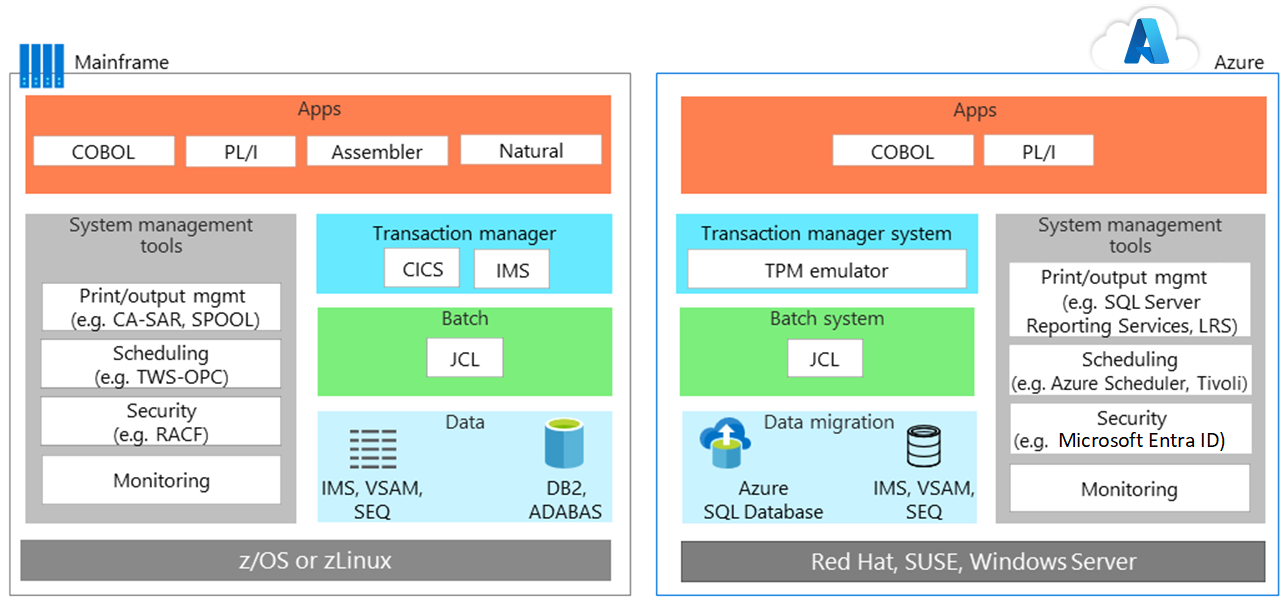
Mainframe Data Migration Rocket Data Migration V3

Mainframe Azure Migration Roadmap Legacy to CloudNative
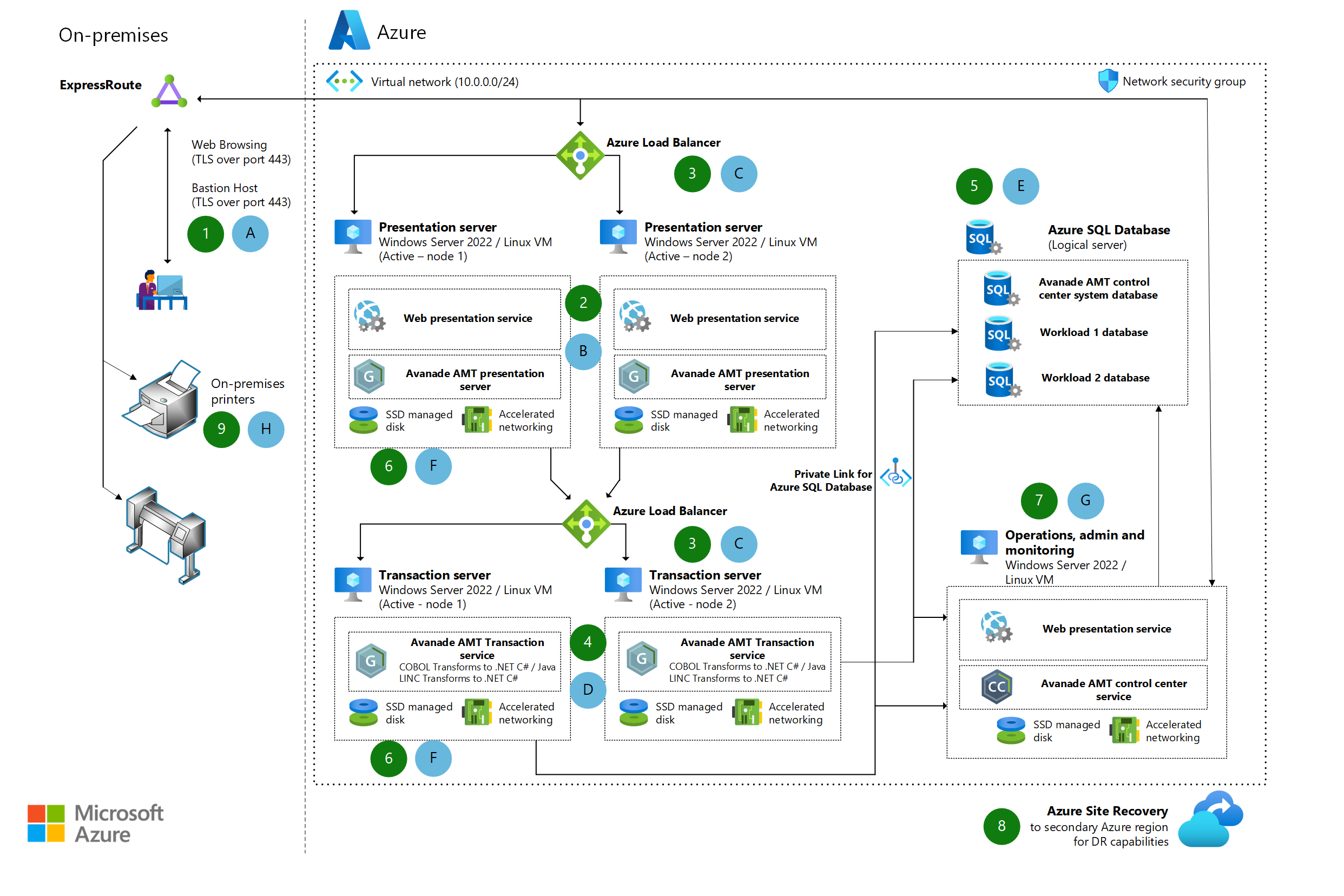
Architecture Mainframe Et Midrange GNKG
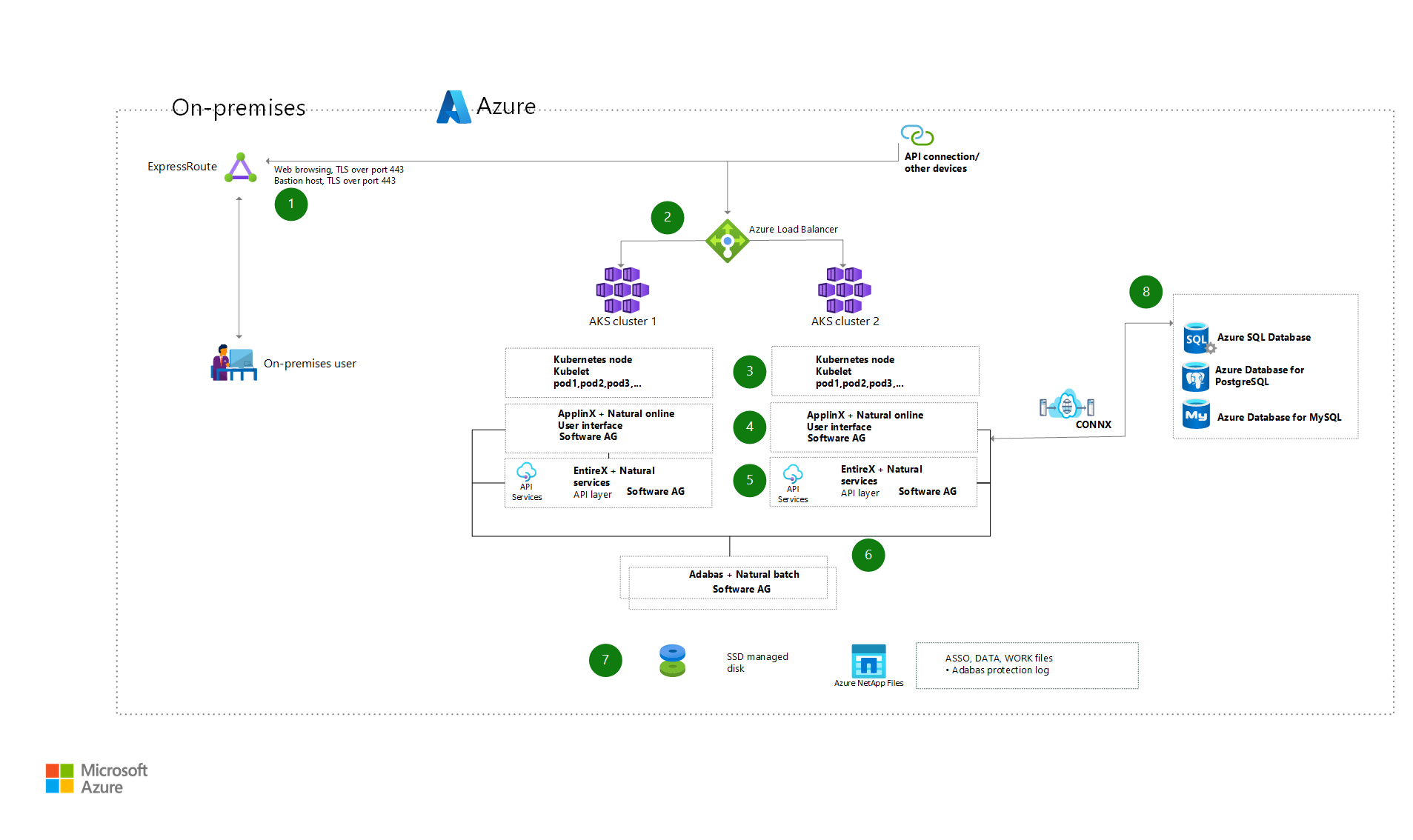
Migration Archives Azure Look
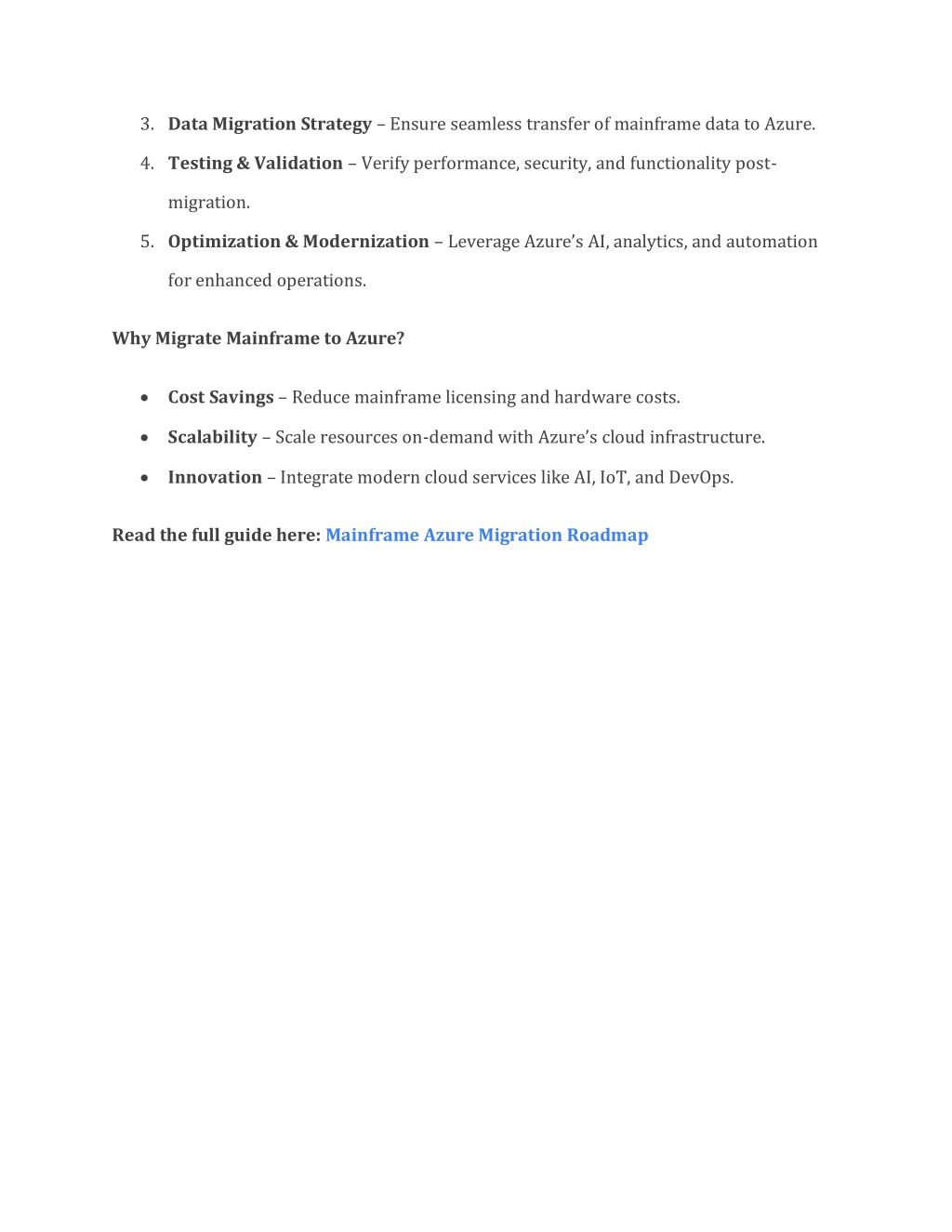
PPT A StepbyStep Roadmap for Mainframe to Azure Migration

Mainframe Migration to Microsoft Azure on Your Terms Prowess Consulting

COBOL to Java/C on AZURE Automating Mainframe to Azure Migrations
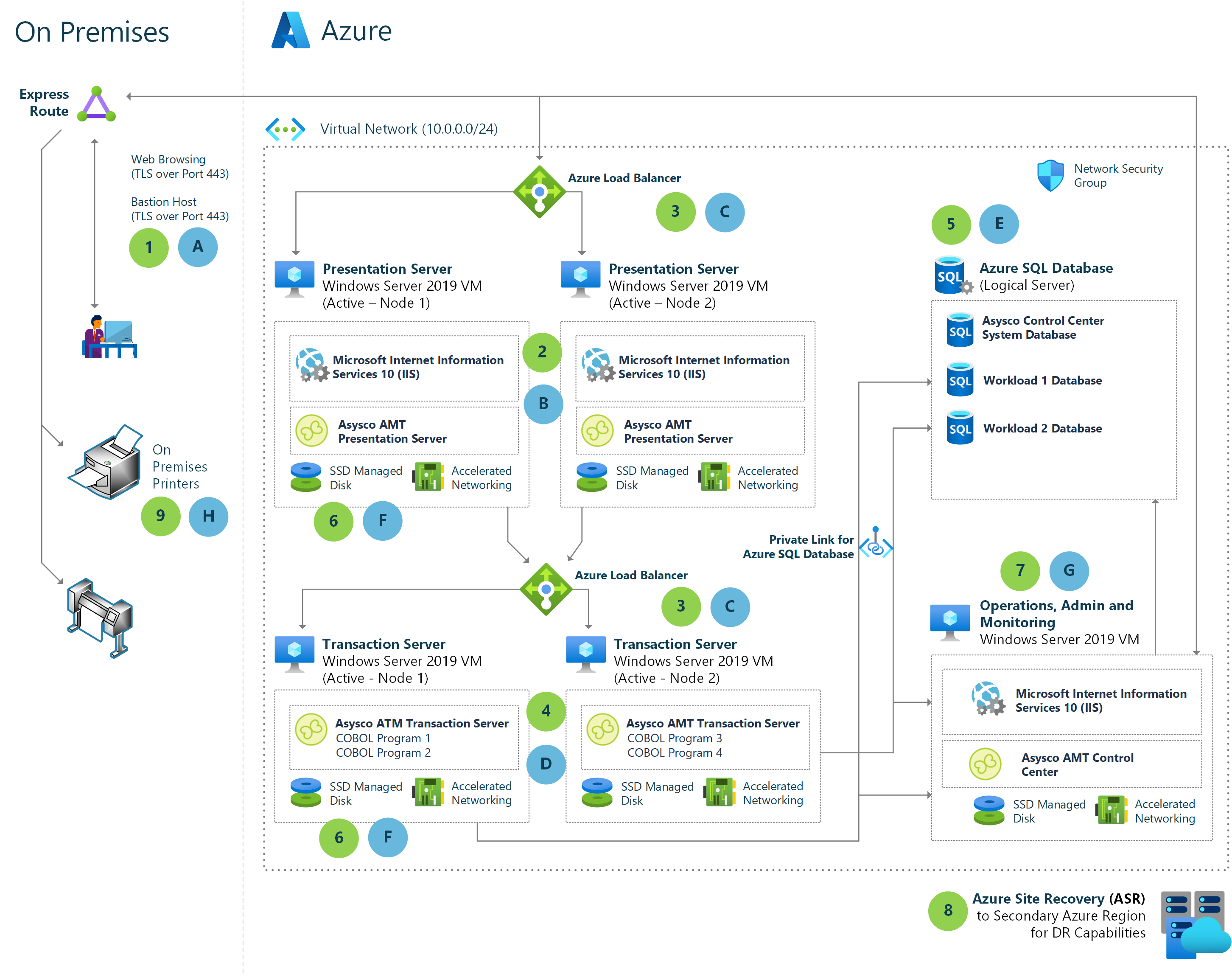
Unisys mainframe migration with Avanade AMT Azure Reference

Migrate mainframe data tier to Azure with mLogica LIBER*IRIS Global
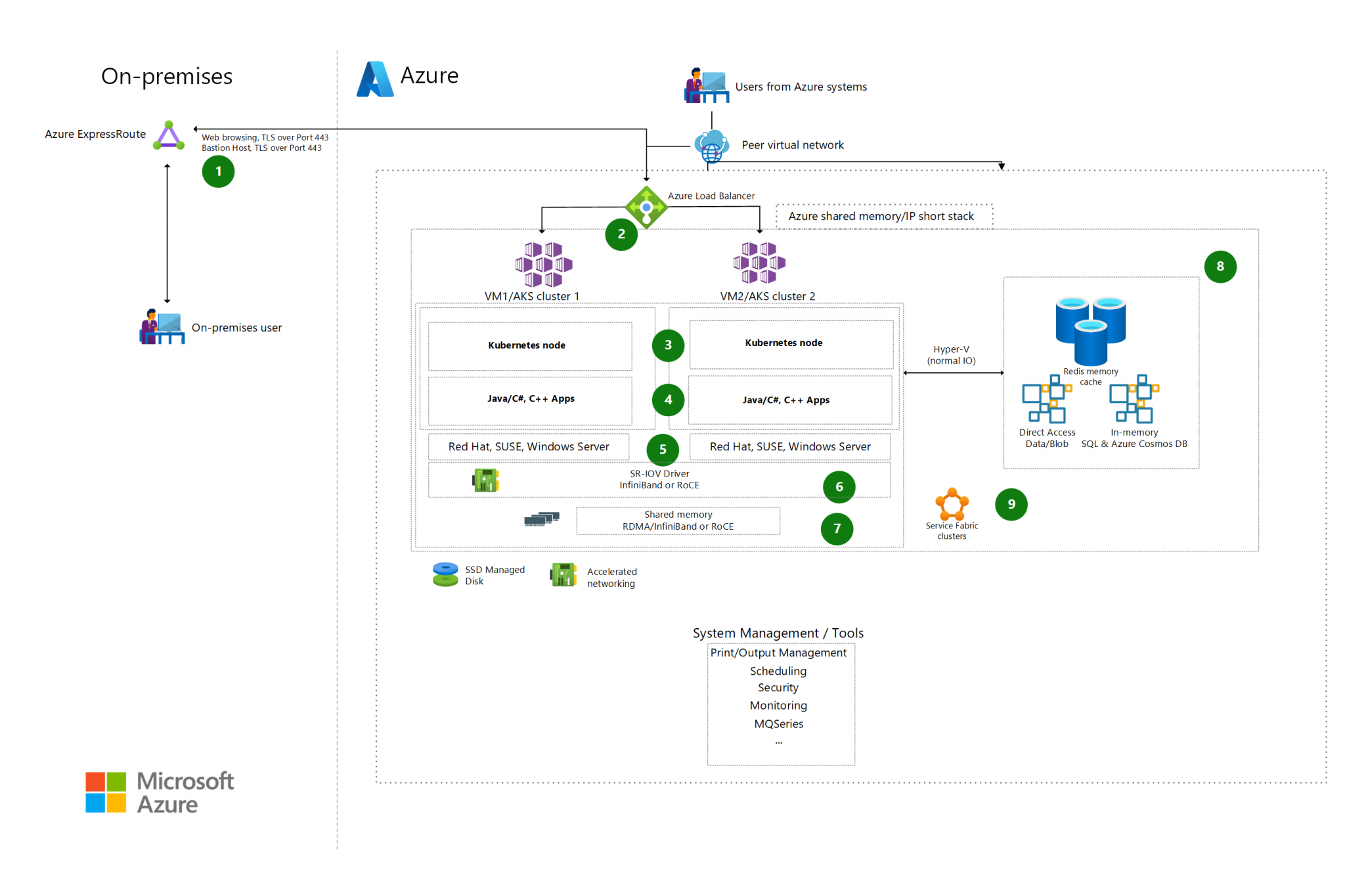
Migration Archives Azure Look
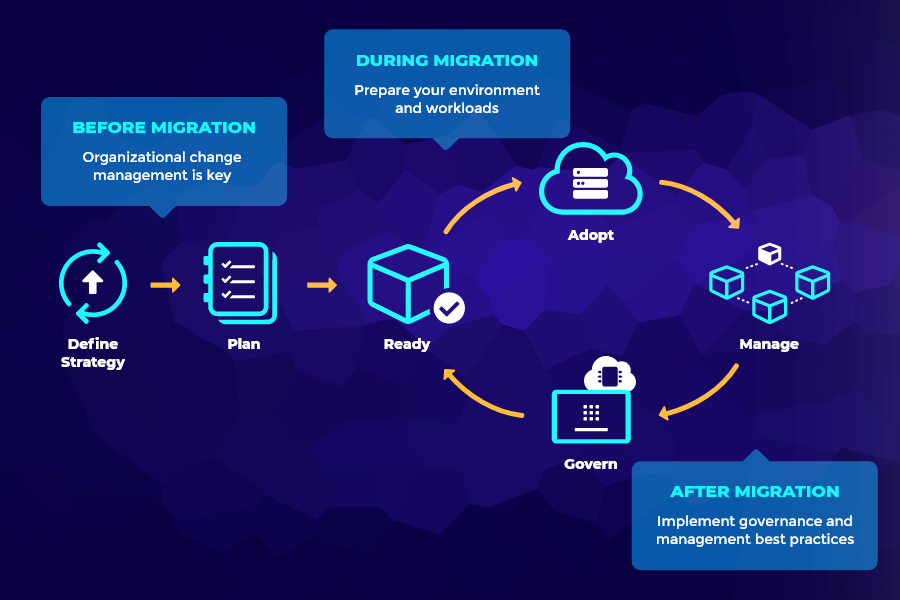
Migration To Azure Benefits, Specific Migration Plan & A Free Gift
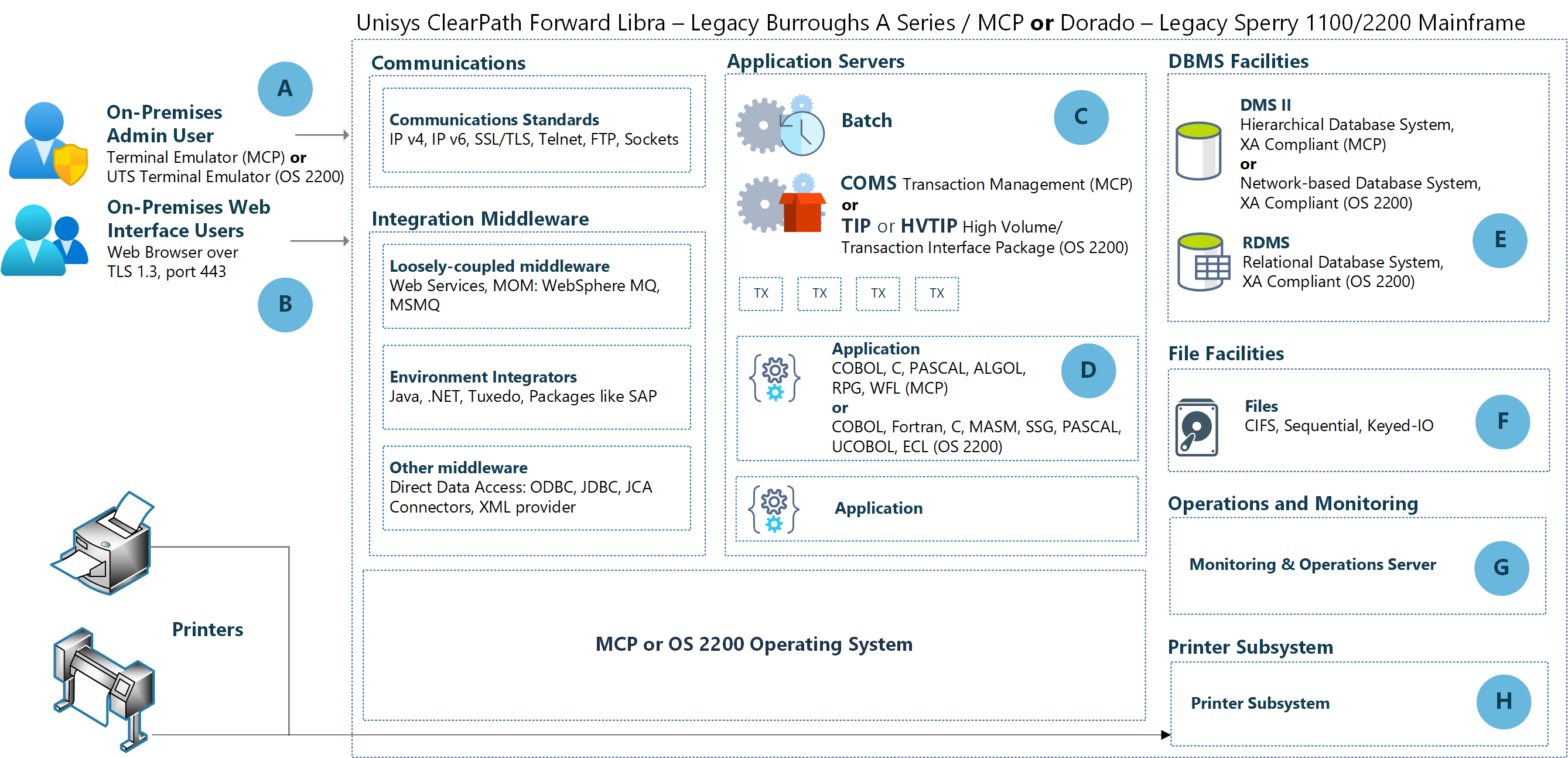
Unisys mainframe migration with Avanade AMT Azure Reference
Accelerate Mainframe JCL migration to Azure with AI Agents
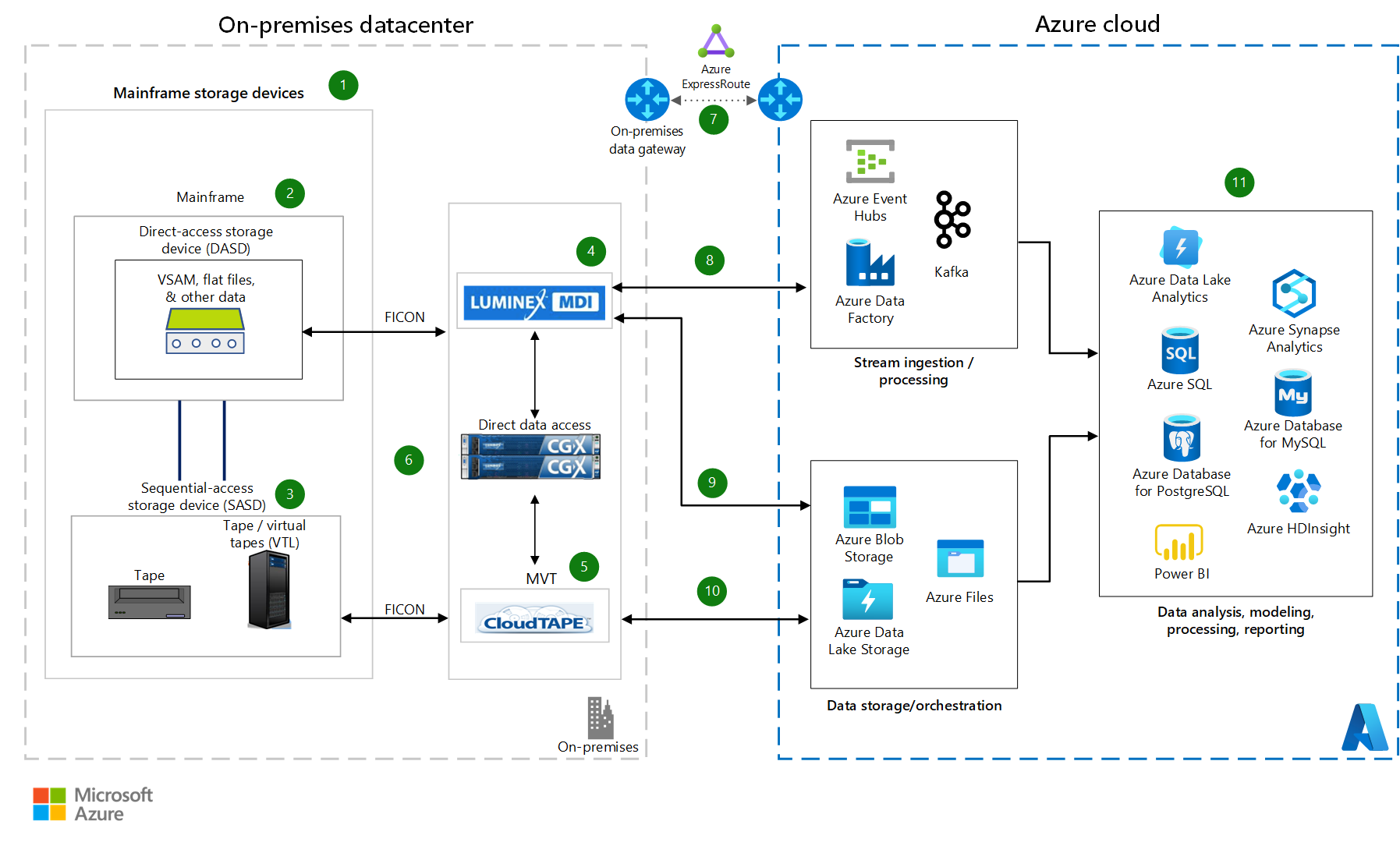
Mainframe file and tape backup to Azure using Luminex Azure
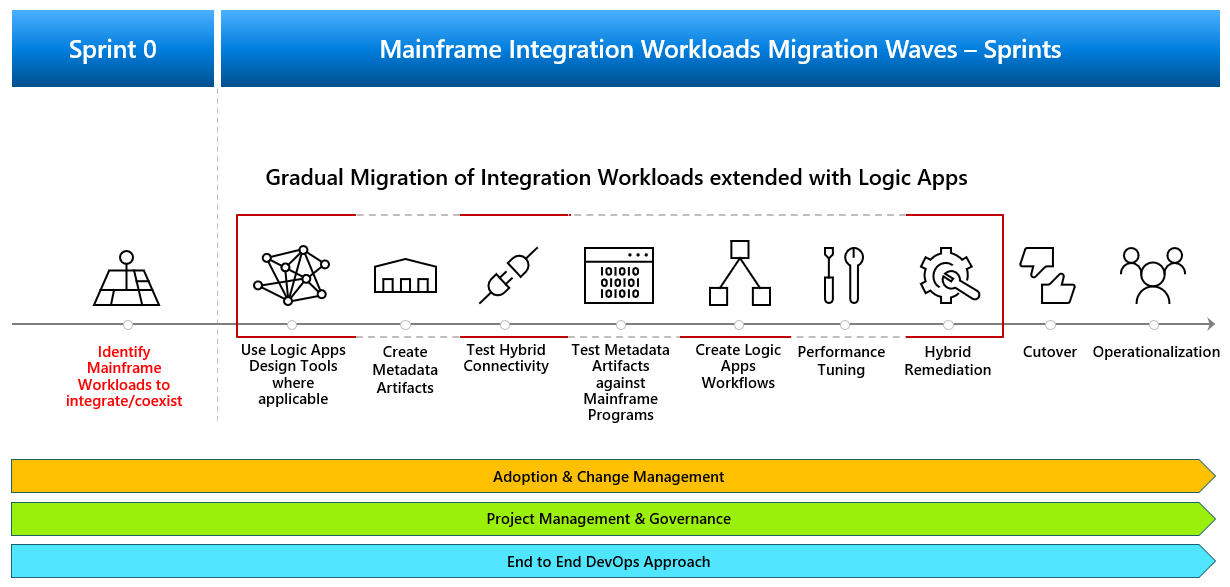
Mainframe and midrange modernization Azure Logic Apps Microsoft Learn

Mainframe Migration To Azure Projects Photos, videos, logos
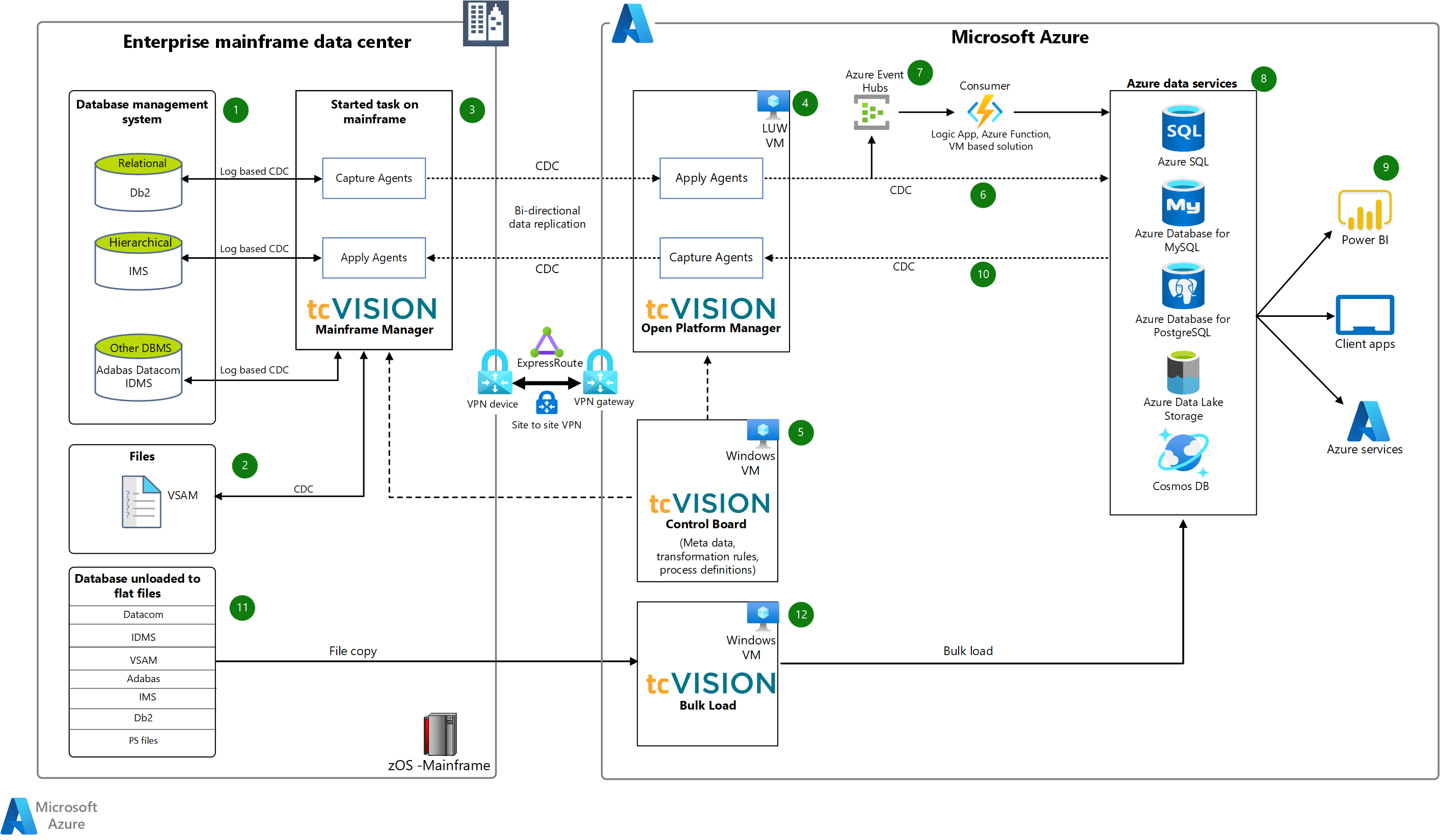
Mainframe Data Migration

Bridging Realms Mainframe Migration Strategies for Cloud Success on Azure
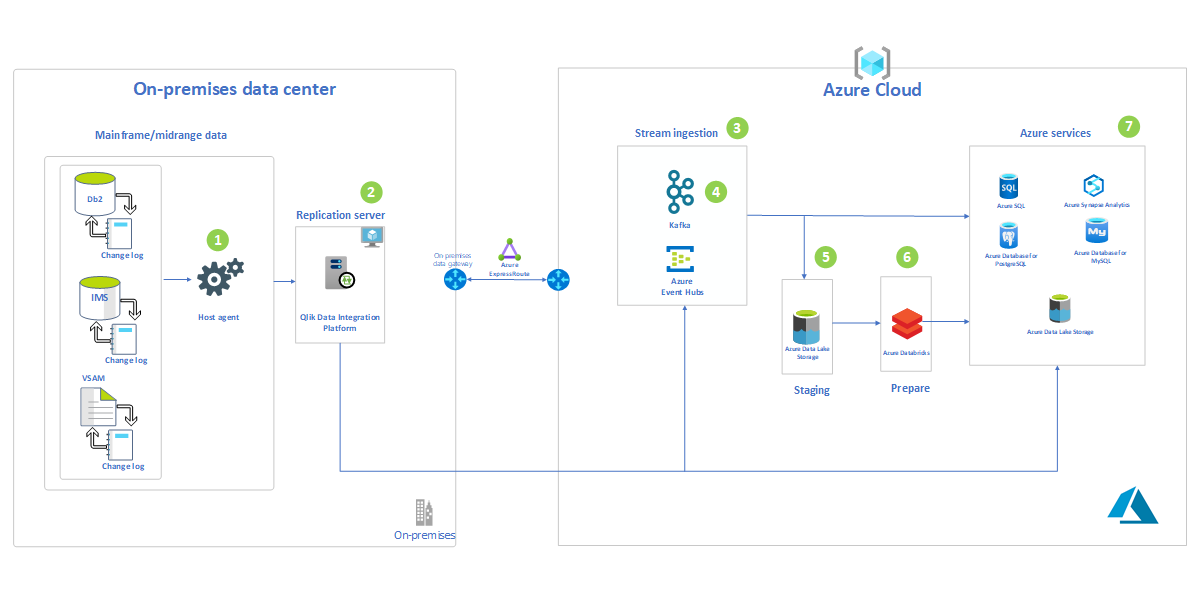
Mainframe and midrange data replication to Azure using Qlik Azure

Migrate mainframe data tier to Azure with mLogica LIBER*IRIS Global

Mainframe Migration to Azure in 5 Steps

IBM Mainframe to Microsoft Azure Migration Astadia
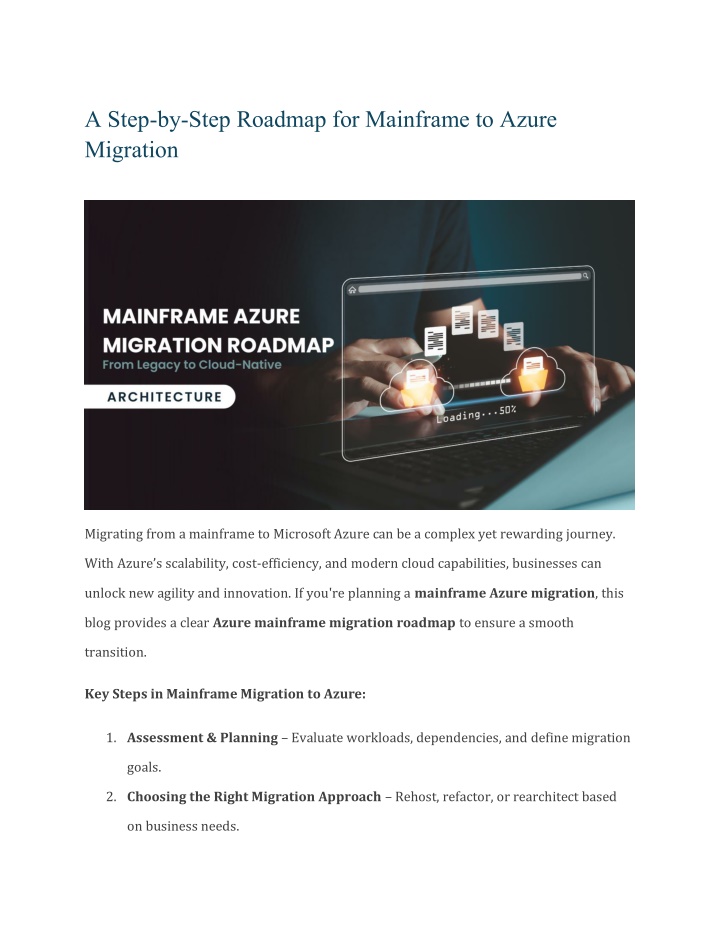
PPT A StepbyStep Roadmap for Mainframe to Azure Migration
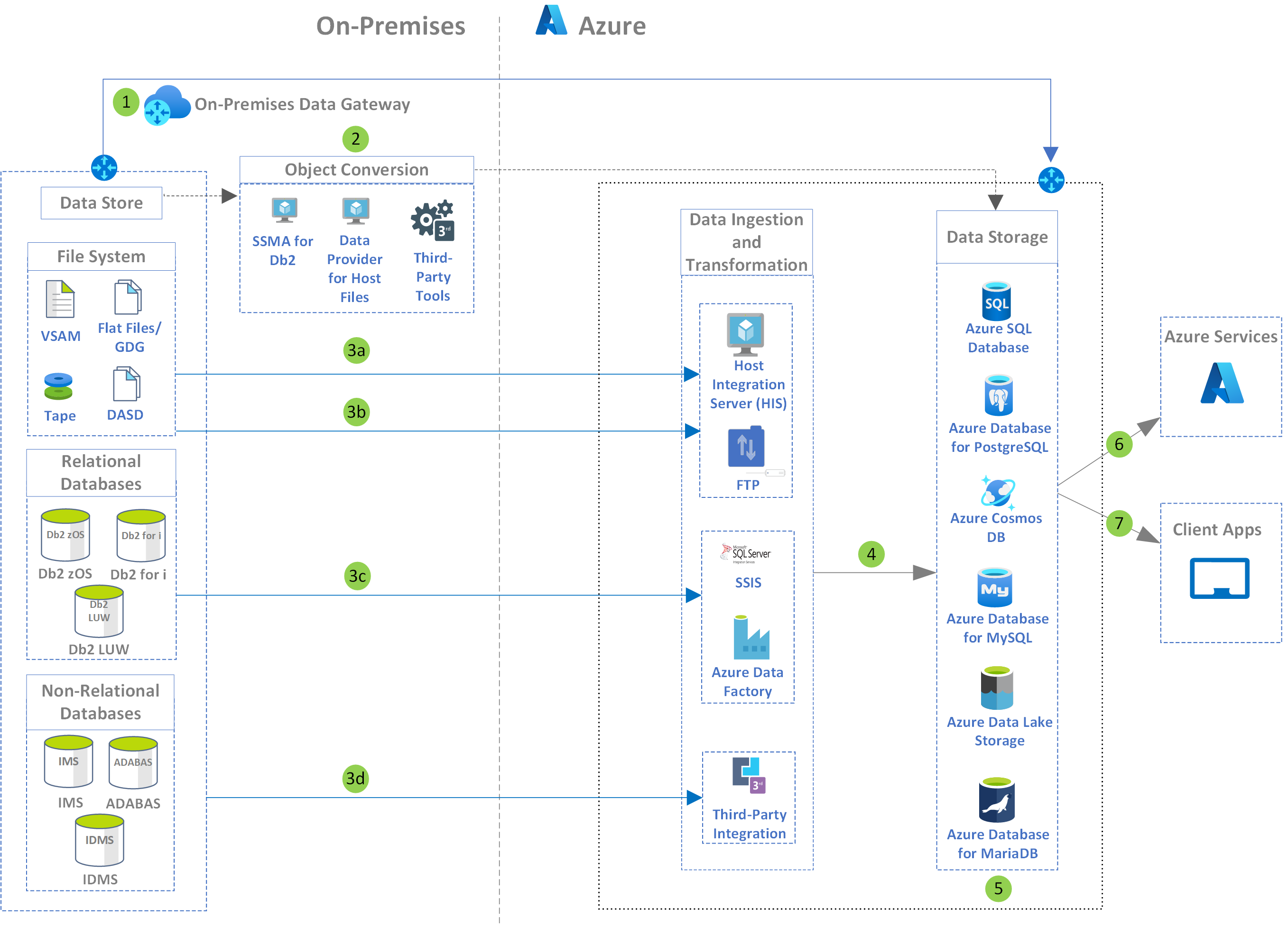
Mainframe Data Migration
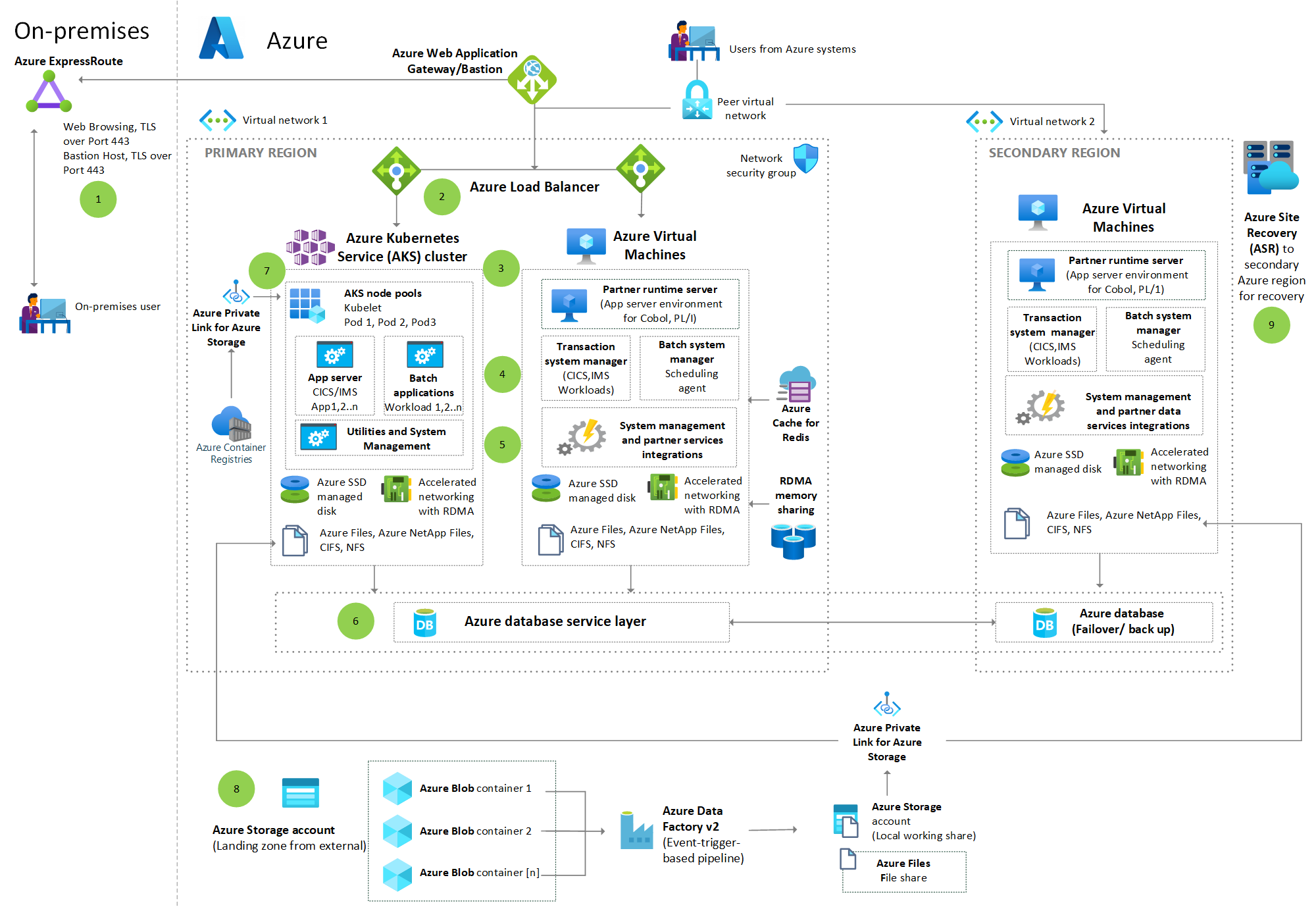
Eseguire il rehosting di un mainframe generale in Azure Azure
IBM Mainframe to Microsoft Azure Migration Astadia
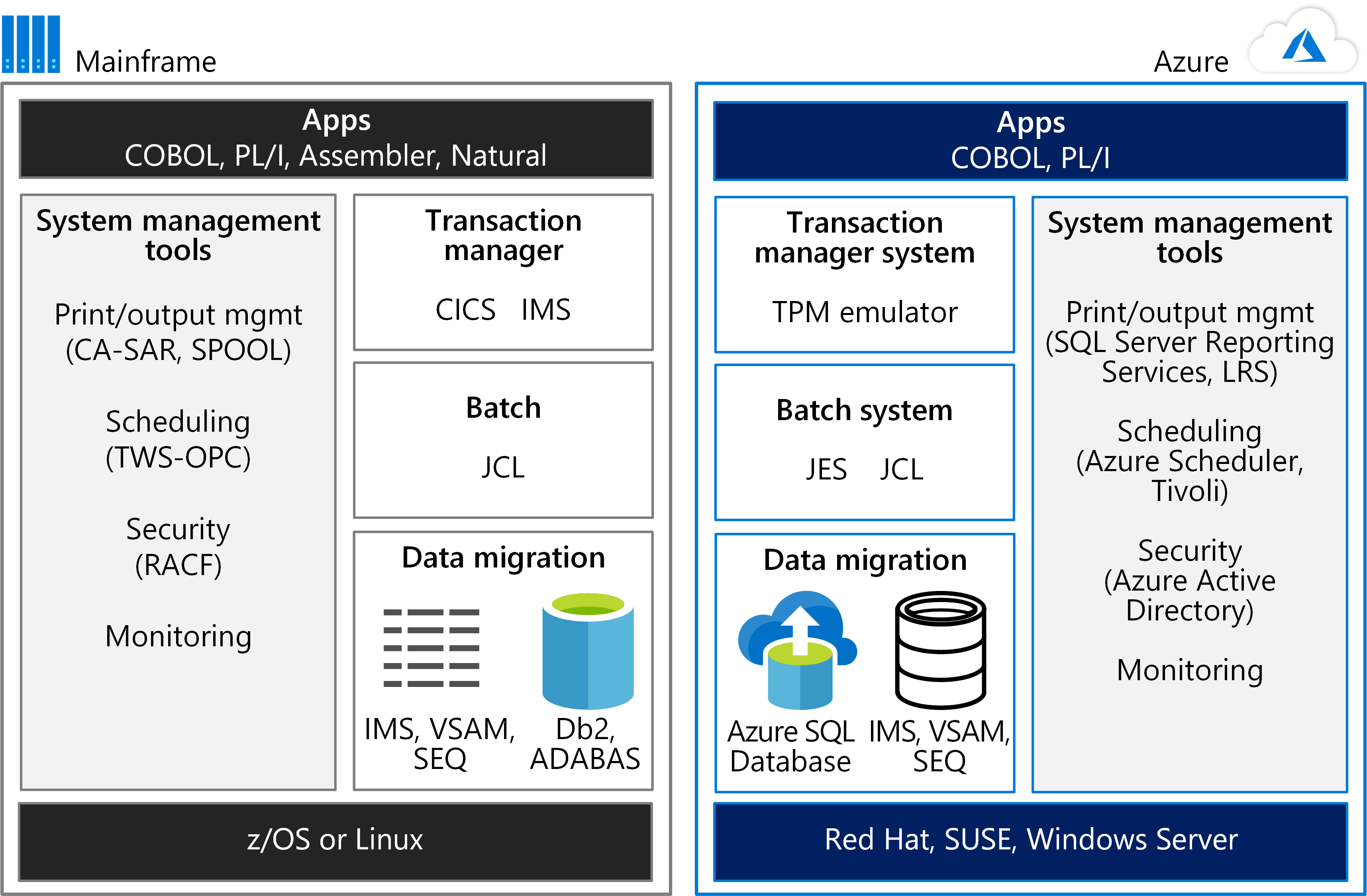
Bridging Realms Mainframe Migration Strategies for Cloud Success on Azure

Mainframe Migration to Azure in 5 Steps
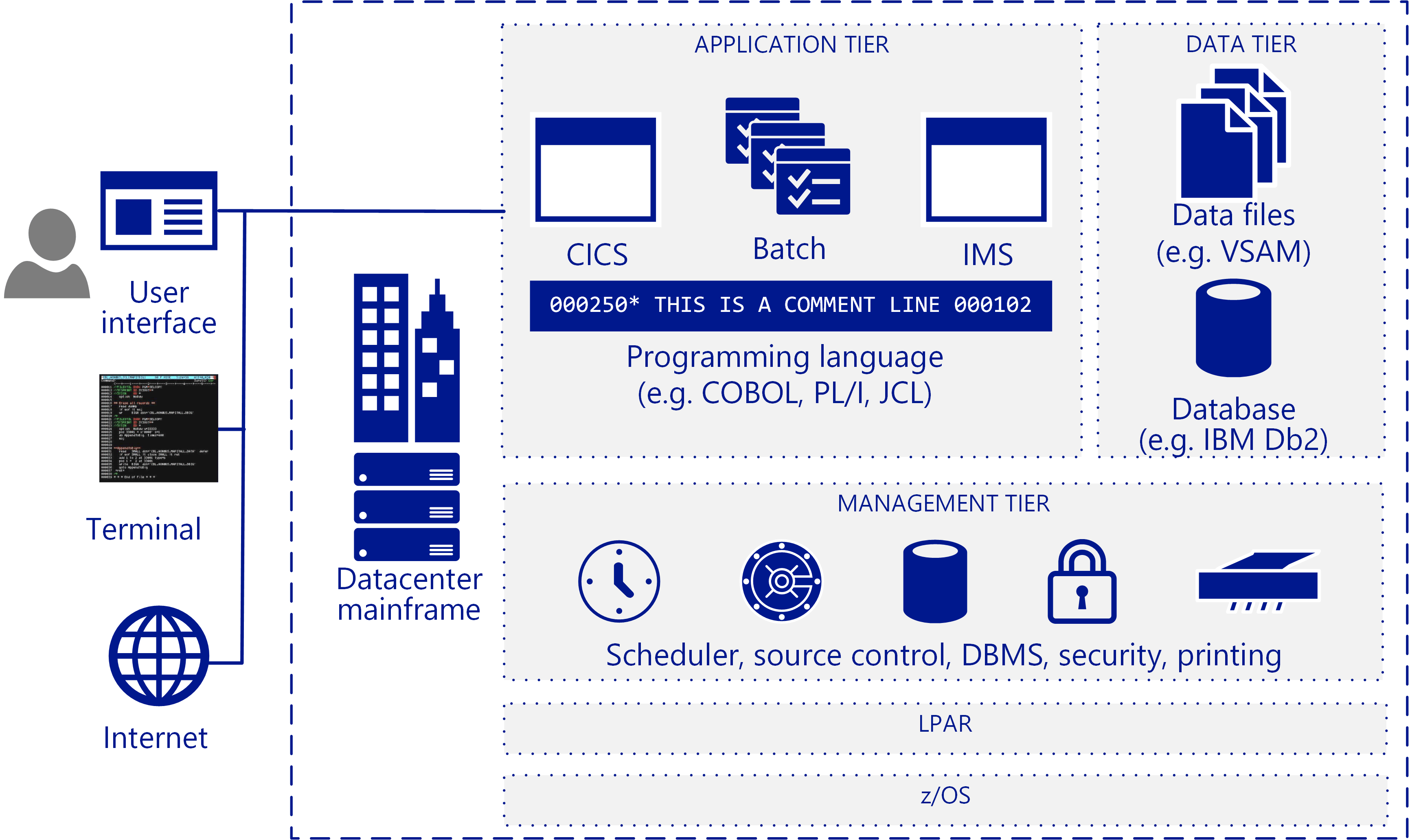
Mainframe Data Migration Rocket Data Migration V3
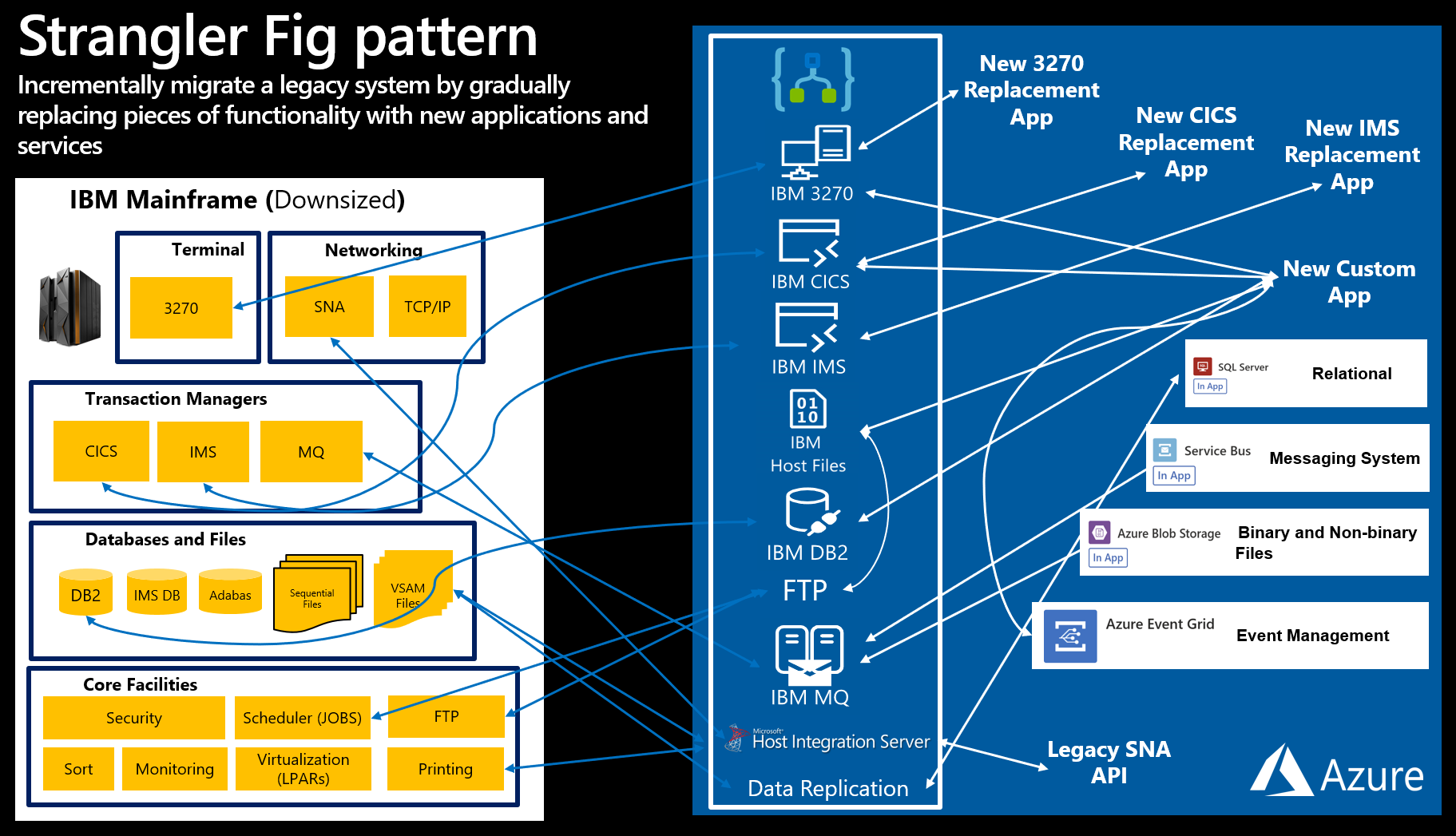
Mainframe and midrange modernization Azure Logic Apps Microsoft Learn
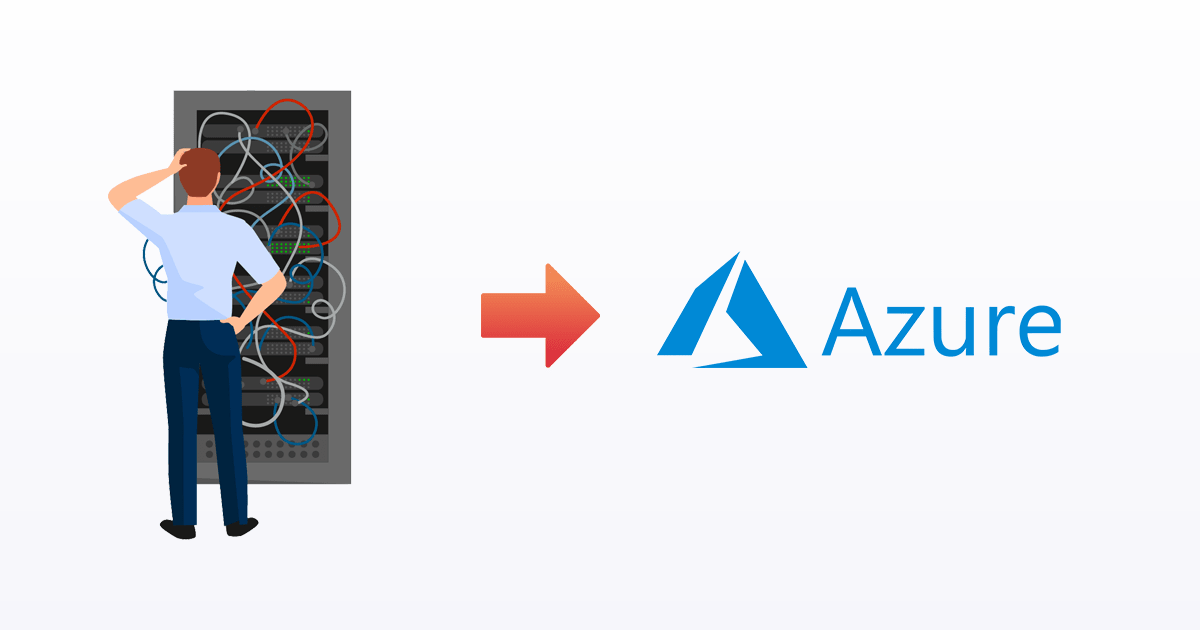
Mainframe Migration to Azure in 5 Steps Astadia
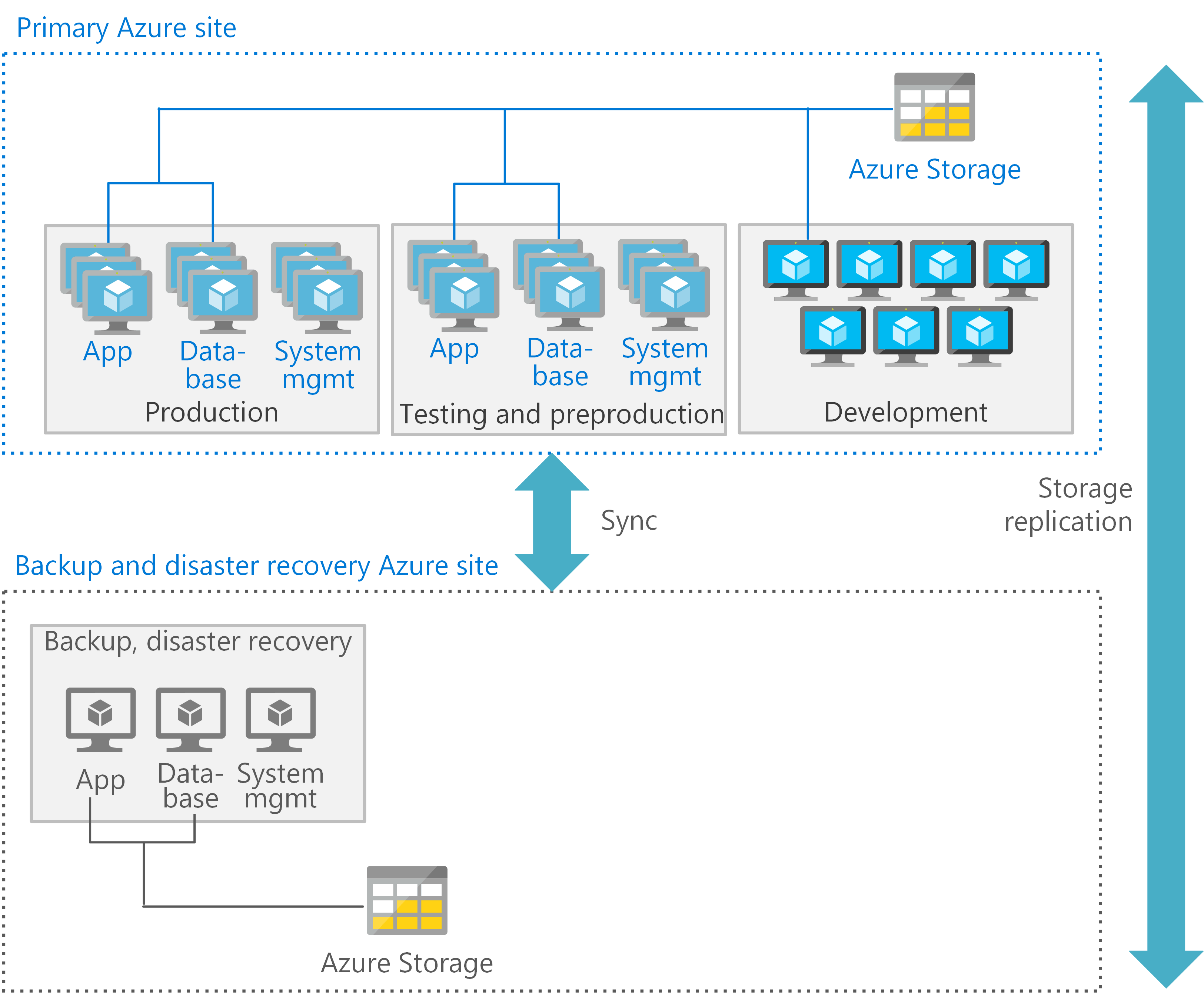
Mainframe Data Migration
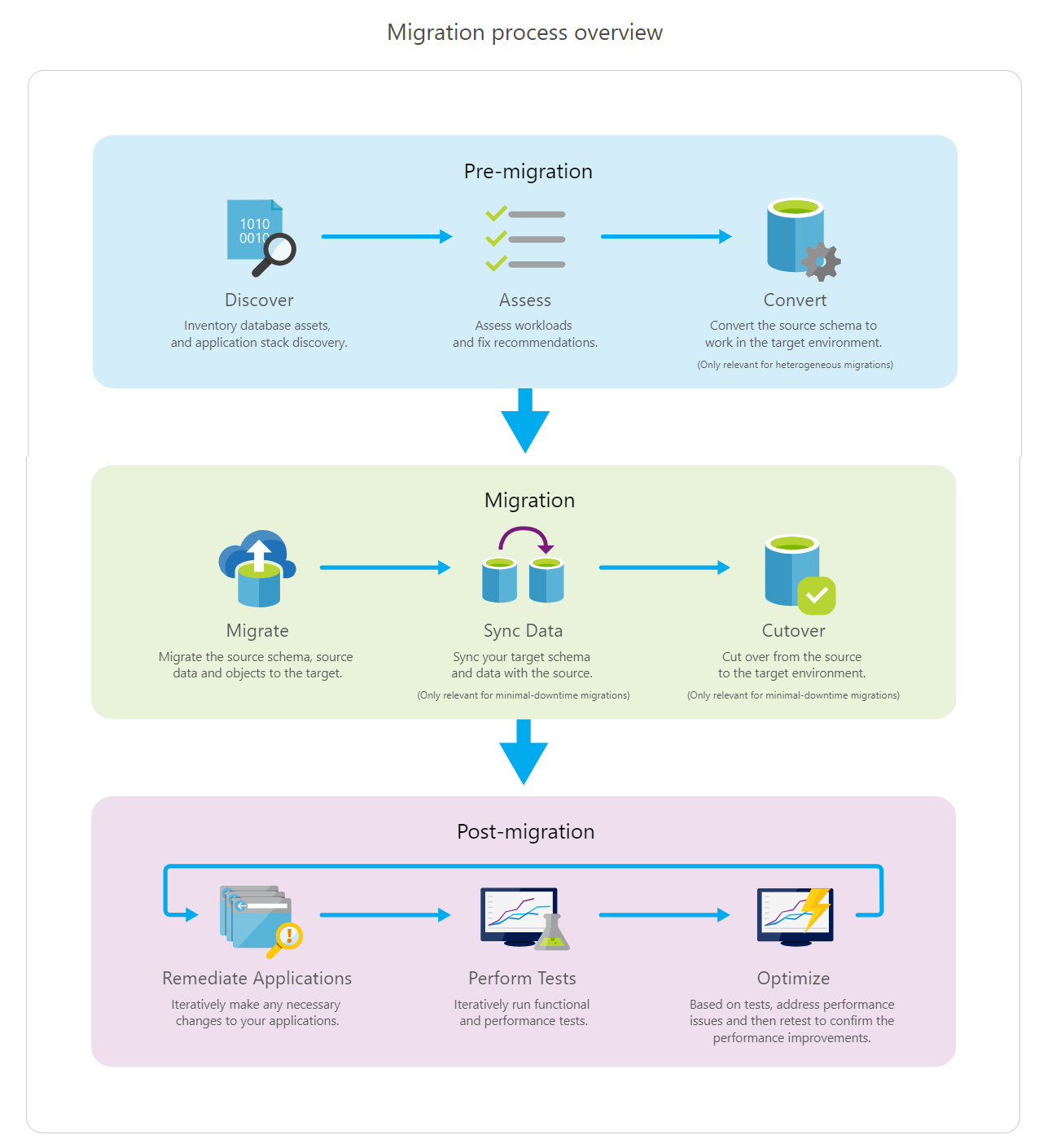
Mainframe Data Migration

IBM Mainframe to Microsoft Azure Migration Astadia
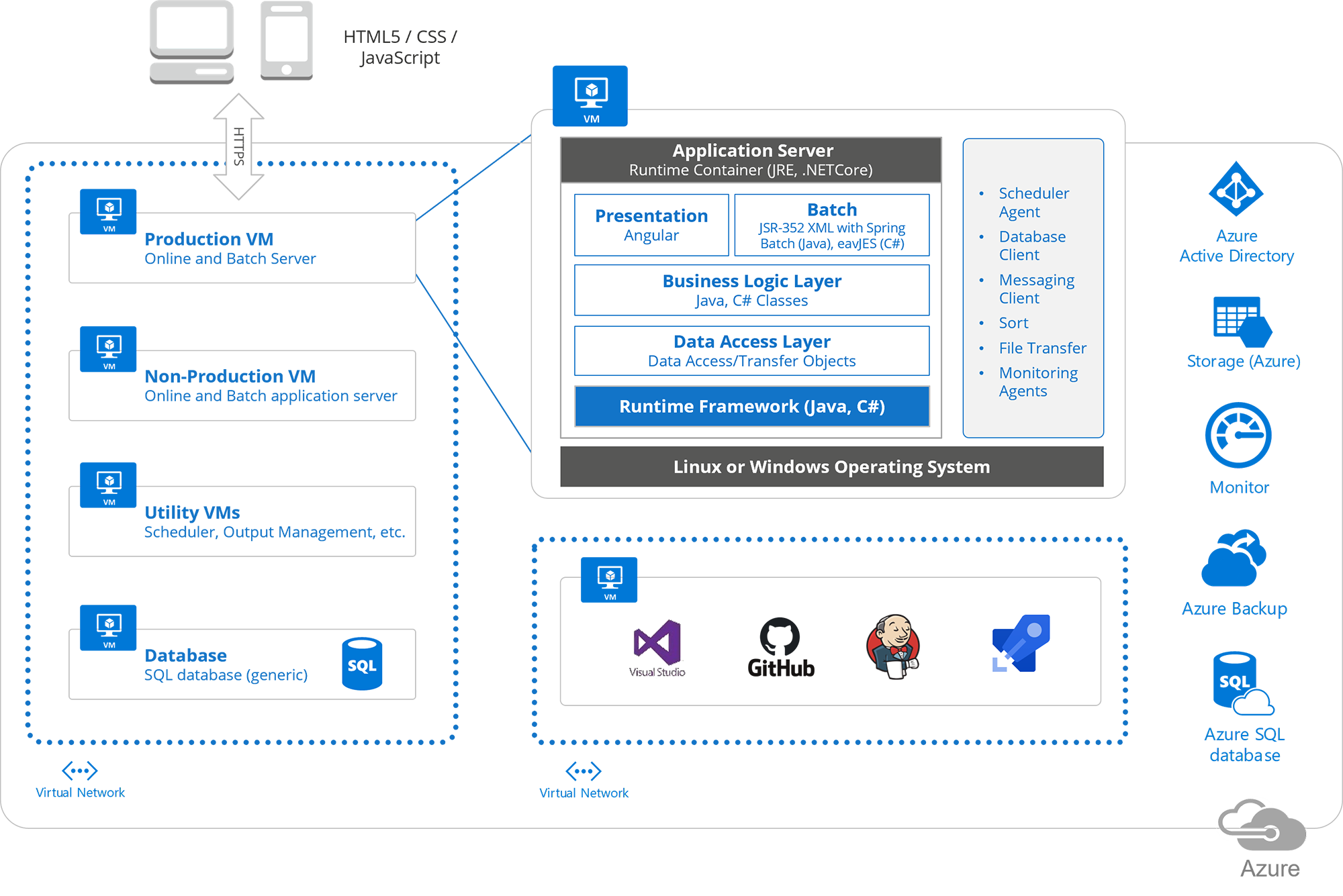
Mainframe Migration to Microsoft Azure Modern Systems
The Difference Between A Personal Computer And A Mainframe Is Clear:
Comprehensive Tutorials And Resources For Mainframe Technologies And Cobol Programming.
Related Post:
