
Azure Cold Storage
Azure Cold Storage - Cold storage is designed for data that is rarely accessed but still needs to remain online. Data in the cold tier should be stored for a minimum of 90 days. If you read data less often, the cool, cold, or archive tier may be best because it lowers storage costs but raises read costs. Lowest storage cost per gb: Offers the most significant cost savings for dormant data. Proper storage tier selection can reduce costs by up to 85% while maintaining optimal performance for diverse workload requirements. Compare azure blob storage hot, cool, cold, and archive access tiers across storage cost, access cost, retrieval latency, and minimum retention with real cost examples. In this article, i’ll provide you with the definitive. Cool storage is optimized for data that is accessed infrequently and stored for at least 30 days. Perfect for compliance and archival scenarios. Learn azure blob storage basics, key concepts, containers, and how hot, cool, cold, and archive tiers organize and optimize your data. Cool storage is optimized for data that is accessed infrequently and stored for at least 30 days. Break down azure storage pricing by service, tier, and redundancy. If you read data less often, the cool, cold, or archive tier. Cold storage is designed for data that is rarely accessed but still needs to remain online. Perfect for compliance and archival scenarios. Lowest storage cost per gb: Offers the most significant cost savings for dormant data. Proper storage tier selection can reduce costs by up to 85% while maintaining optimal performance for diverse workload requirements. Cool storage is optimized for data that is accessed infrequently and stored for at least 30 days. If you read data less often, the cool, cold, or archive tier may be best because it lowers storage costs but raises read costs. Cold storage is designed for data that is rarely accessed but still needs to remain online. In this article,. Perfect for compliance and archival scenarios. Cold storage is designed for data that is rarely accessed but still needs to remain online. Plus 9 tips to optimize and reduce your azure storage costs. Data in the cold tier should be stored for a minimum of 90 days. In this article, i’ll provide you with the definitive. Plus 9 tips to optimize and reduce your azure storage costs. Lowest storage cost per gb: Cold storage is designed for data that is rarely accessed but still needs to remain online. Break down azure storage pricing by service, tier, and redundancy. Proper storage tier selection can reduce costs by up to 85% while maintaining optimal performance for diverse workload. Compare azure blob storage hot, cool, cold, and archive access tiers across storage cost, access cost, retrieval latency, and minimum retention with real cost examples. Plus 9 tips to optimize and reduce your azure storage costs. Proper storage tier selection can reduce costs by up to 85% while maintaining optimal performance for diverse workload requirements. Perfect for compliance and archival. In this article, i’ll provide you with the definitive. Data in the cold tier should be stored for a minimum of 90 days. Cold storage is designed for data that is rarely accessed but still needs to remain online. Offers the most significant cost savings for dormant data. Lowest storage cost per gb: To find the most optimal access tier, estimate what percentage. Perfect for compliance and archival scenarios. Proper storage tier selection can reduce costs by up to 85% while maintaining optimal performance for diverse workload requirements. Compare azure blob storage hot, cool, cold, and archive access tiers across storage cost, access cost, retrieval latency, and minimum retention with real cost examples.. In this article, i’ll provide you with the definitive. Proper storage tier selection can reduce costs by up to 85% while maintaining optimal performance for diverse workload requirements. To find the most optimal access tier, estimate what percentage. Lowest storage cost per gb: Compare azure blob storage hot, cool, cold, and archive access tiers across storage cost, access cost, retrieval. Cold storage is designed for data that is rarely accessed but still needs to remain online. Data in the cold tier should be stored for a minimum of 90 days. Plus 9 tips to optimize and reduce your azure storage costs. To find the most optimal access tier, estimate what percentage. If you read data less often, the cool, cold,. Perfect for compliance and archival scenarios. Plus 9 tips to optimize and reduce your azure storage costs. To find the most optimal access tier, estimate what percentage. If you read data less often, the cool, cold, or archive tier may be best because it lowers storage costs but raises read costs. Proper storage tier selection can reduce costs by up. Cold storage is designed for data that is rarely accessed but still needs to remain online. Lowest storage cost per gb: Cool storage is optimized for data that is accessed infrequently and stored for at least 30 days. Compare azure blob storage hot, cool, cold, and archive access tiers across storage cost, access cost, retrieval latency, and minimum retention with. Proper storage tier selection can reduce costs by up to 85% while maintaining optimal performance for diverse workload requirements. To find the most optimal access tier, estimate what percentage. Compare azure blob storage hot, cool, cold, and archive access tiers across storage cost, access cost, retrieval latency, and minimum retention with real cost examples. If you read data less often,. Data in the cold tier should be stored for a minimum of 90 days. Learn azure blob storage basics, key concepts, containers, and how hot, cool, cold, and archive tiers organize and optimize your data. In this article, i’ll provide you with the definitive. Lowest storage cost per gb: Proper storage tier selection can reduce costs by up to 85%. Plus 9 tips to optimize and reduce your azure storage costs. Perfect for compliance and archival scenarios. Data in the cold tier should be stored for a minimum of 90 days. Compare azure blob storage hot, cool, cold, and archive access tiers across storage cost, access cost, retrieval latency, and minimum retention with real cost examples. If you read data. To find the most optimal access tier, estimate what percentage. Proper storage tier selection can reduce costs by up to 85% while maintaining optimal performance for diverse workload requirements. Cold storage is designed for data that is rarely accessed but still needs to remain online. Lowest storage cost per gb: In this article, i’ll provide you with the definitive. Learn azure blob storage basics, key concepts, containers, and how hot, cool, cold, and archive tiers organize and optimize your data. Perfect for compliance and archival scenarios. In this article, i’ll provide you with the definitive. Cool storage is optimized for data that is accessed infrequently and stored for at least 30 days. Data in the cold tier should be. Break down azure storage pricing by service, tier, and redundancy. Learn azure blob storage basics, key concepts, containers, and how hot, cool, cold, and archive tiers organize and optimize your data. Plus 9 tips to optimize and reduce your azure storage costs. In this article, i’ll provide you with the definitive. Cold storage is designed for data that is rarely. Lowest storage cost per gb: If you read data less often, the cool, cold, or archive tier may be best because it lowers storage costs but raises read costs. Plus 9 tips to optimize and reduce your azure storage costs. Proper storage tier selection can reduce costs by up to 85% while maintaining optimal performance for diverse workload requirements. Break. Learn azure blob storage basics, key concepts, containers, and how hot, cool, cold, and archive tiers organize and optimize your data. Proper storage tier selection can reduce costs by up to 85% while maintaining optimal performance for diverse workload requirements. Data in the cold tier should be stored for a minimum of 90 days. Lowest storage cost per gb: Perfect. To find the most optimal access tier, estimate what percentage. Cold storage is designed for data that is rarely accessed but still needs to remain online. Cool storage is optimized for data that is accessed infrequently and stored for at least 30 days. Plus 9 tips to optimize and reduce your azure storage costs. If you read data less often,. Compare azure blob storage hot, cool, cold, and archive access tiers across storage cost, access cost, retrieval latency, and minimum retention with real cost examples. Proper storage tier selection can reduce costs by up to 85% while maintaining optimal performance for diverse workload requirements. In this article, i’ll provide you with the definitive. Cool storage is optimized for data that. Offers the most significant cost savings for dormant data. Break down azure storage pricing by service, tier, and redundancy. Lowest storage cost per gb: Learn azure blob storage basics, key concepts, containers, and how hot, cool, cold, and archive tiers organize and optimize your data. Plus 9 tips to optimize and reduce your azure storage costs. Perfect for compliance and archival scenarios. Proper storage tier selection can reduce costs by up to 85% while maintaining optimal performance for diverse workload requirements. If you read data less often, the cool, cold, or archive tier may be best because it lowers storage costs but raises read costs. Break down azure storage pricing by service, tier, and redundancy. Data. Compare azure blob storage hot, cool, cold, and archive access tiers across storage cost, access cost, retrieval latency, and minimum retention with real cost examples. Plus 9 tips to optimize and reduce your azure storage costs. Break down azure storage pricing by service, tier, and redundancy. Offers the most significant cost savings for dormant data. Perfect for compliance and archival. If you read data less often, the cool, cold, or archive tier may be best because it lowers storage costs but raises read costs. Perfect for compliance and archival scenarios. Plus 9 tips to optimize and reduce your azure storage costs. Lowest storage cost per gb: Cool storage is optimized for data that is accessed infrequently and stored for at. If you read data less often, the cool, cold, or archive tier may be best because it lowers storage costs but raises read costs. Perfect for compliance and archival scenarios. Compare azure blob storage hot, cool, cold, and archive access tiers across storage cost, access cost, retrieval latency, and minimum retention with real cost examples. Data in the cold tier. Data in the cold tier should be stored for a minimum of 90 days. Perfect for compliance and archival scenarios. Cold storage is designed for data that is rarely accessed but still needs to remain online. To find the most optimal access tier, estimate what percentage. Lowest storage cost per gb: Offers the most significant cost savings for dormant data. Break down azure storage pricing by service, tier, and redundancy. Data in the cold tier should be stored for a minimum of 90 days. Proper storage tier selection can reduce costs by up to 85% while maintaining optimal performance for diverse workload requirements. Cold storage is designed for data that is. If you read data less often, the cool, cold, or archive tier may be best because it lowers storage costs but raises read costs. Learn azure blob storage basics, key concepts, containers, and how hot, cool, cold, and archive tiers organize and optimize your data. To find the most optimal access tier, estimate what percentage. Offers the most significant cost. Perfect for compliance and archival scenarios. Offers the most significant cost savings for dormant data. Plus 9 tips to optimize and reduce your azure storage costs. Cold storage is designed for data that is rarely accessed but still needs to remain online. To find the most optimal access tier, estimate what percentage. If you read data less often, the cool, cold, or archive tier may be best because it lowers storage costs but raises read costs. Data in the cold tier should be stored for a minimum of 90 days. Learn azure blob storage basics, key concepts, containers, and how hot, cool, cold, and archive tiers organize and optimize your data. Perfect. Data in the cold tier should be stored for a minimum of 90 days. Lowest storage cost per gb: To find the most optimal access tier, estimate what percentage. Perfect for compliance and archival scenarios. Cold storage is designed for data that is rarely accessed but still needs to remain online. Data in the cold tier should be stored for a minimum of 90 days. Cool storage is optimized for data that is accessed infrequently and stored for at least 30 days. Compare azure blob storage hot, cool, cold, and archive access tiers across storage cost, access cost, retrieval latency, and minimum retention with real cost examples. In this article, i’ll. In this article, i’ll provide you with the definitive. Proper storage tier selection can reduce costs by up to 85% while maintaining optimal performance for diverse workload requirements. Compare azure blob storage hot, cool, cold, and archive access tiers across storage cost, access cost, retrieval latency, and minimum retention with real cost examples. To find the most optimal access tier,. Compare azure blob storage hot, cool, cold, and archive access tiers across storage cost, access cost, retrieval latency, and minimum retention with real cost examples. Cool storage is optimized for data that is accessed infrequently and stored for at least 30 days. Perfect for compliance and archival scenarios. To find the most optimal access tier, estimate what percentage. Break down azure storage pricing by service, tier, and redundancy. Lowest storage cost per gb: If you read data less often, the cool, cold, or archive tier may be best because it lowers storage costs but raises read costs. Data in the cold tier should be stored for a minimum of 90 days. Proper storage tier selection can reduce costs by up to 85% while maintaining optimal performance for diverse workload requirements. Plus 9 tips to optimize and reduce your azure storage costs. Cold storage is designed for data that is rarely accessed but still needs to remain online.
Azure Cool Blob storage—Cool vs. Hot, setup, and migration 4sysops
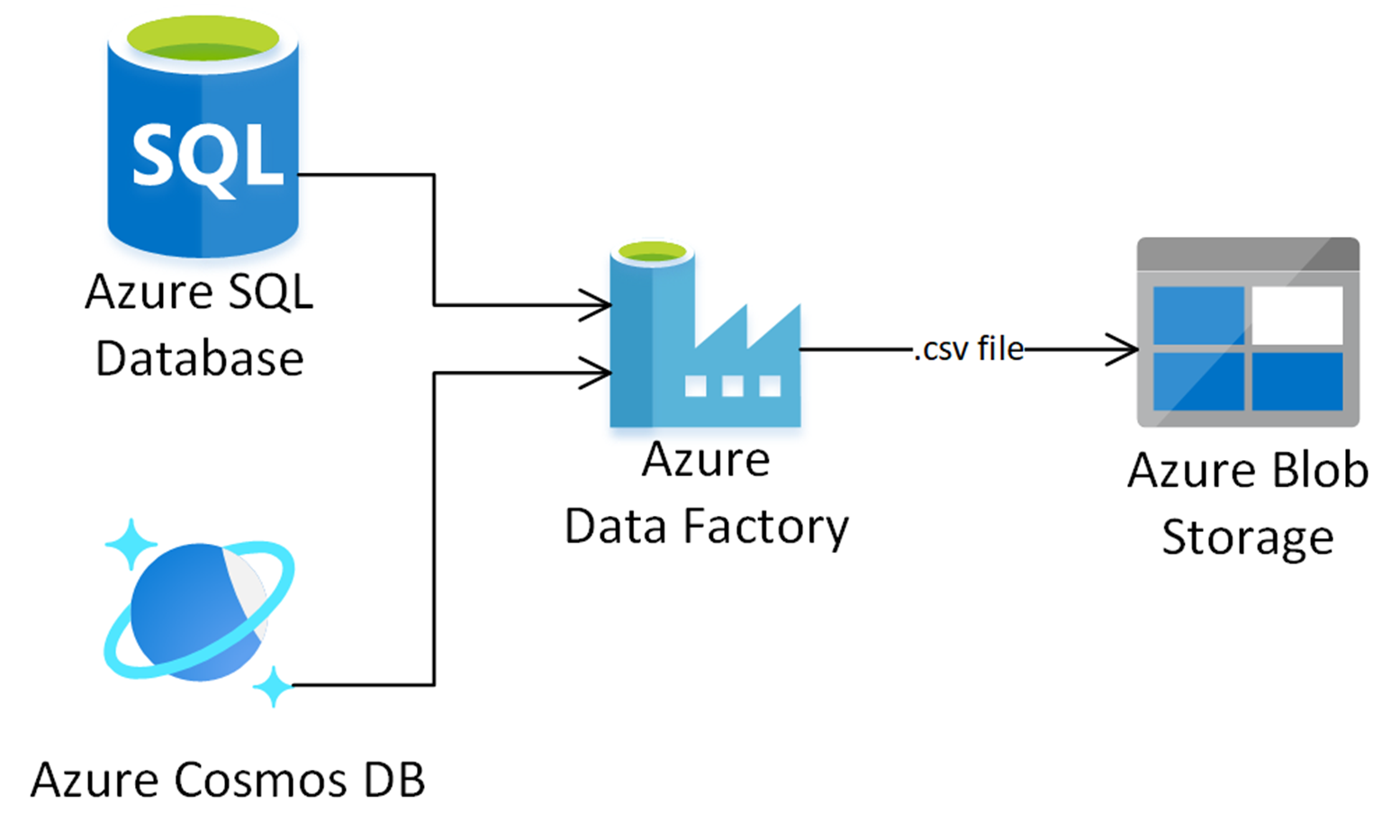
Azure Data Factory and Immutable Storage in Azure Blob Storage

CostEffective Solution for Infrequent Data Access and Retention with

Synology Backups to Azure Cold Storage Blob Part 2 YouTube
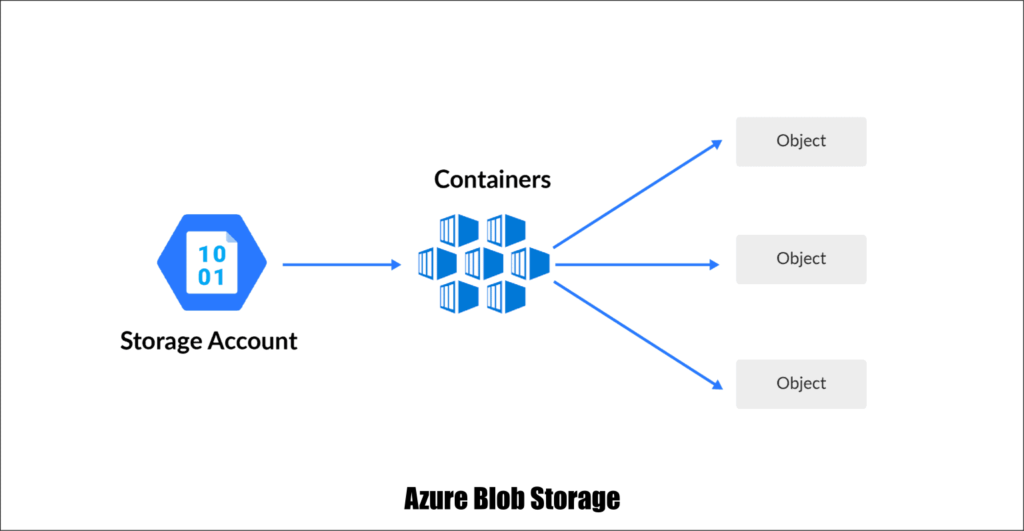
Azure Storage Account Types, Performance & Overview

Discover Insights About Your Azure Storage Estate with Azure Storage
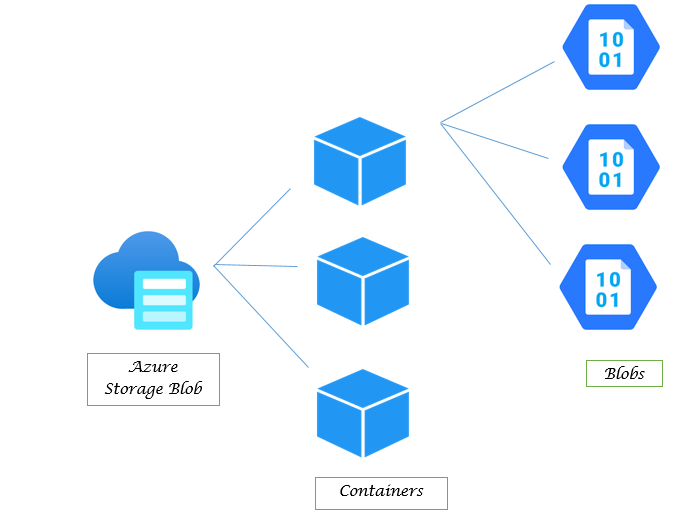
Azure Blob Storage Your Comprehensive Guide

Cold Storage in Azure DataFlair
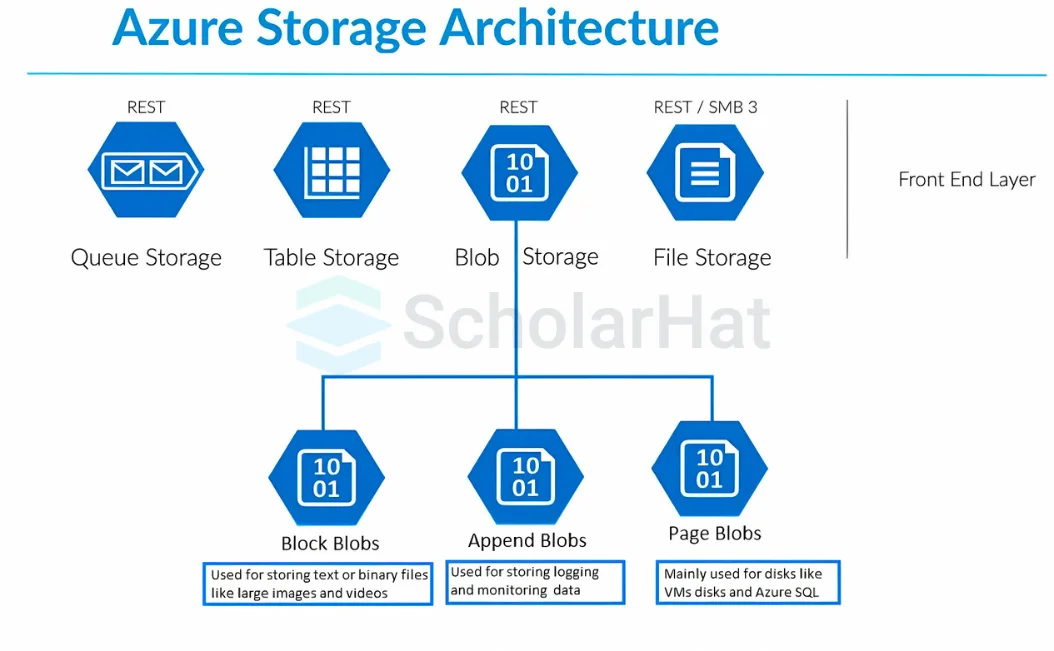
Exploring Azure Blob Storage Types, Tiers, and Benefits

How to configure Azure Blob Storage with Azure OpenAI Batch Azure
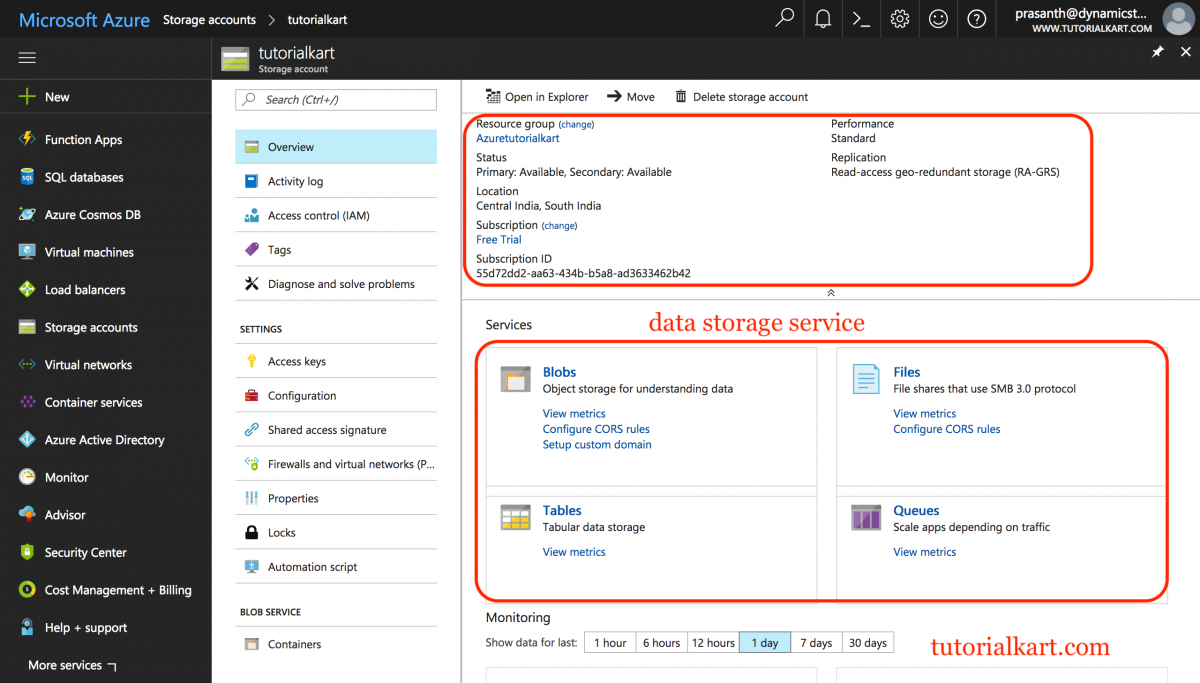
What is Azure Blob Storage Create Azure Blob Storage
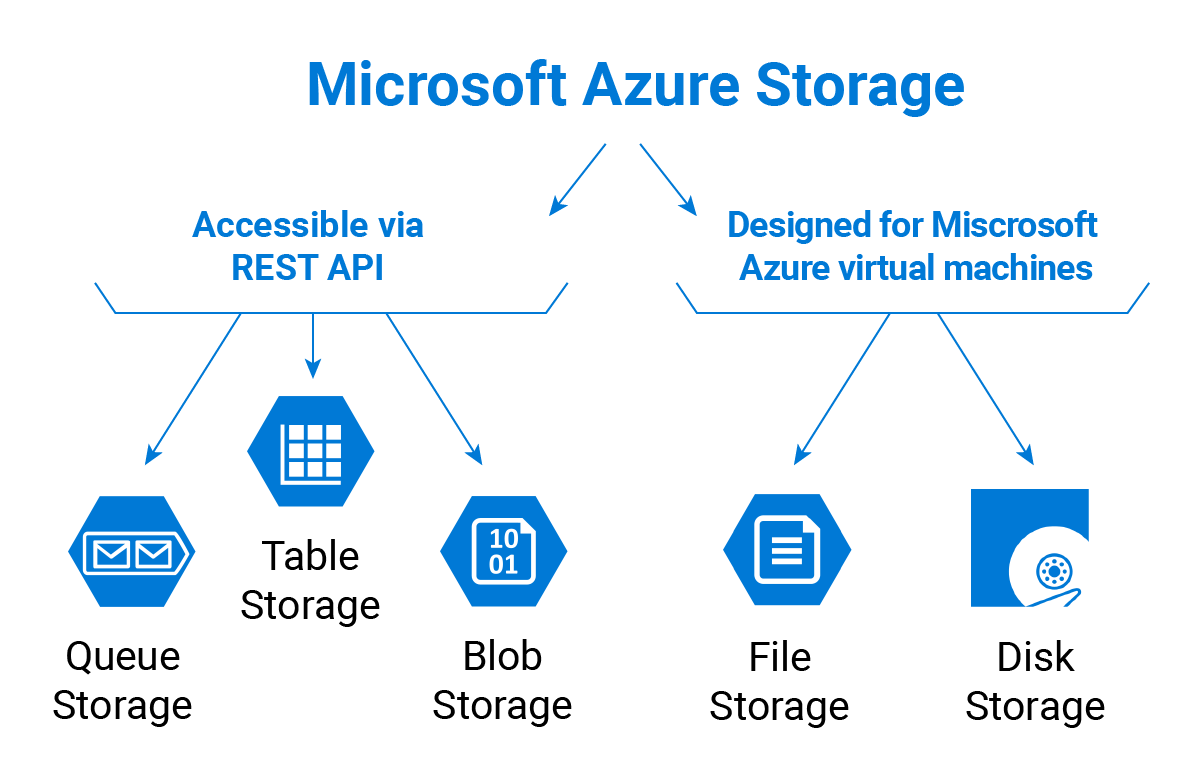
Microsoft Azure Storage Types Overview

Efficiently store data with Azure Blob Storage Cold Tier—now generally

Azure Blob Storage Your Comprehensive Guide
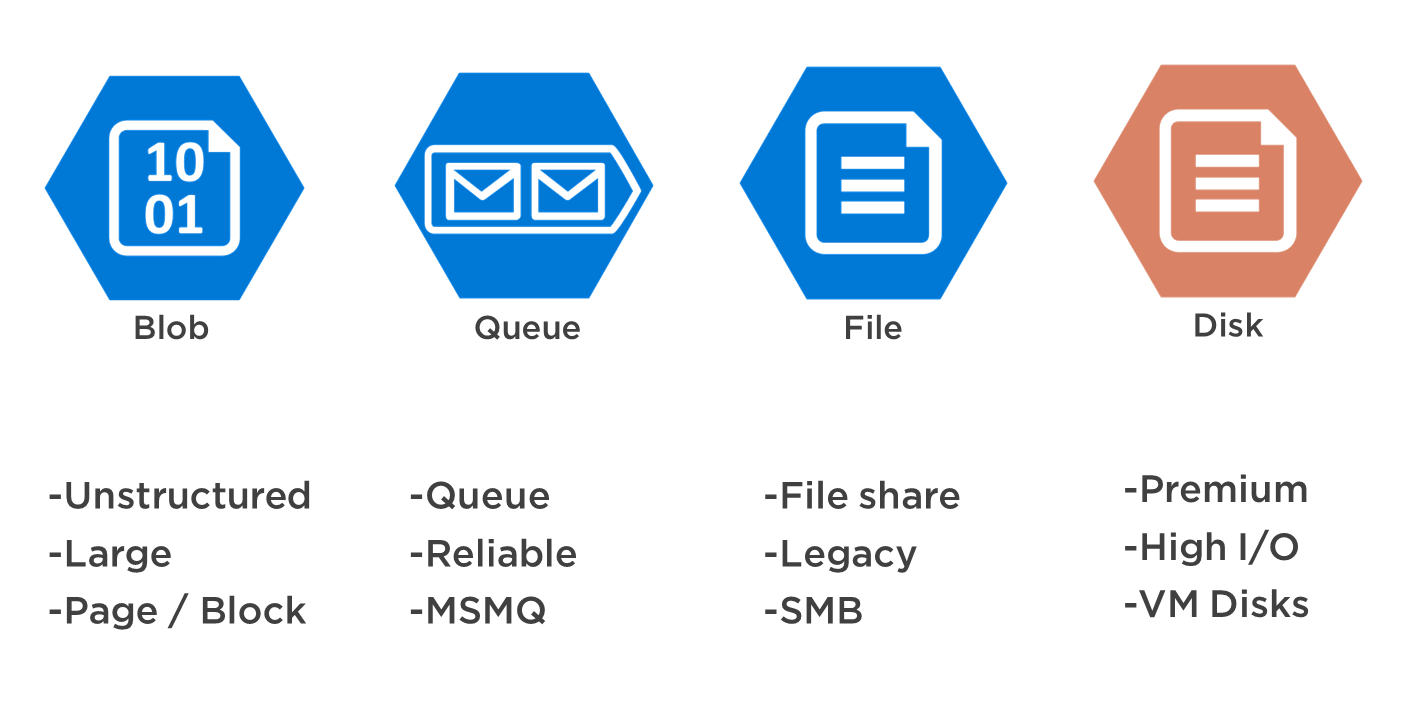
What is BLOB? Azure BLOB storage & Features Geek Culture

Synology Backups to Azure Cold Storage Blob Part 1 YouTube
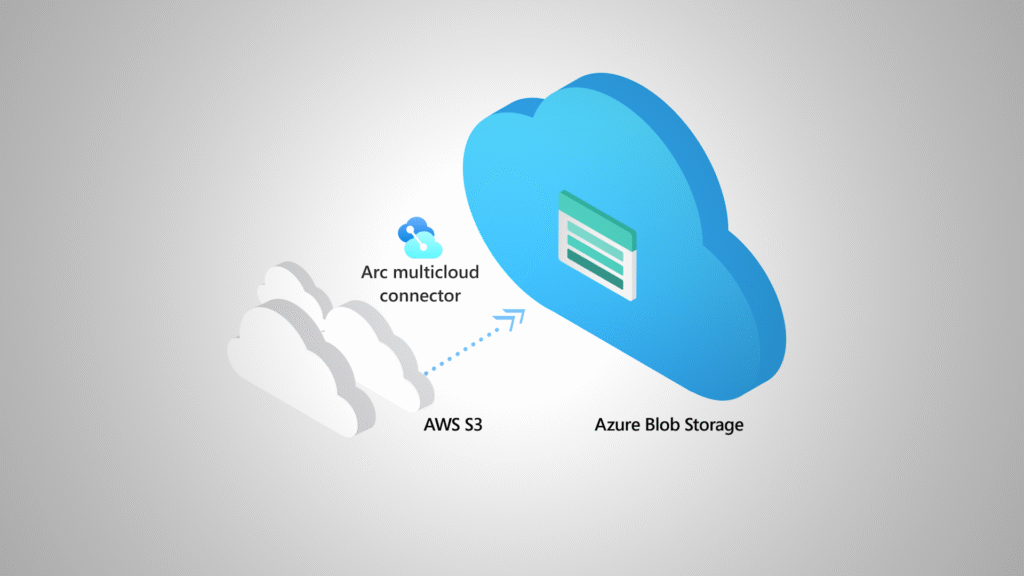
Efficiently store data with Azure Blob Storage Cold Tier—now generally

Azure Storage Architecture Azure Storage Architecture/Management For
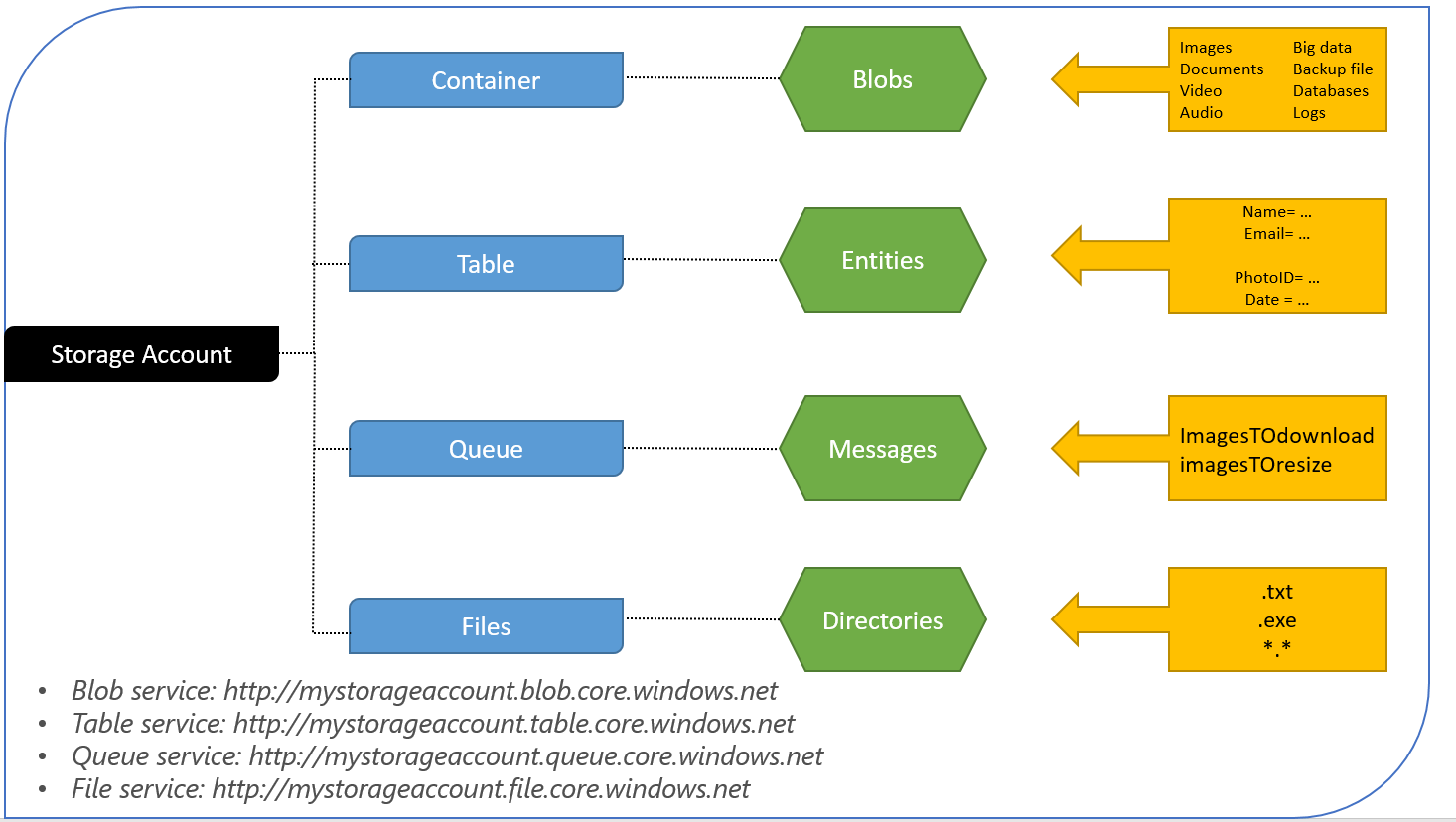
ABC's of Azure Blob storage Fundamentals of Azure Blob storage

Efficiently store data with Azure Blob Storage Cold Tier—now generally
Automated Management of the Azure Blob Storage Lifecycle

Azure Blob Storage Cost Optimization Smarter Cold Data Management
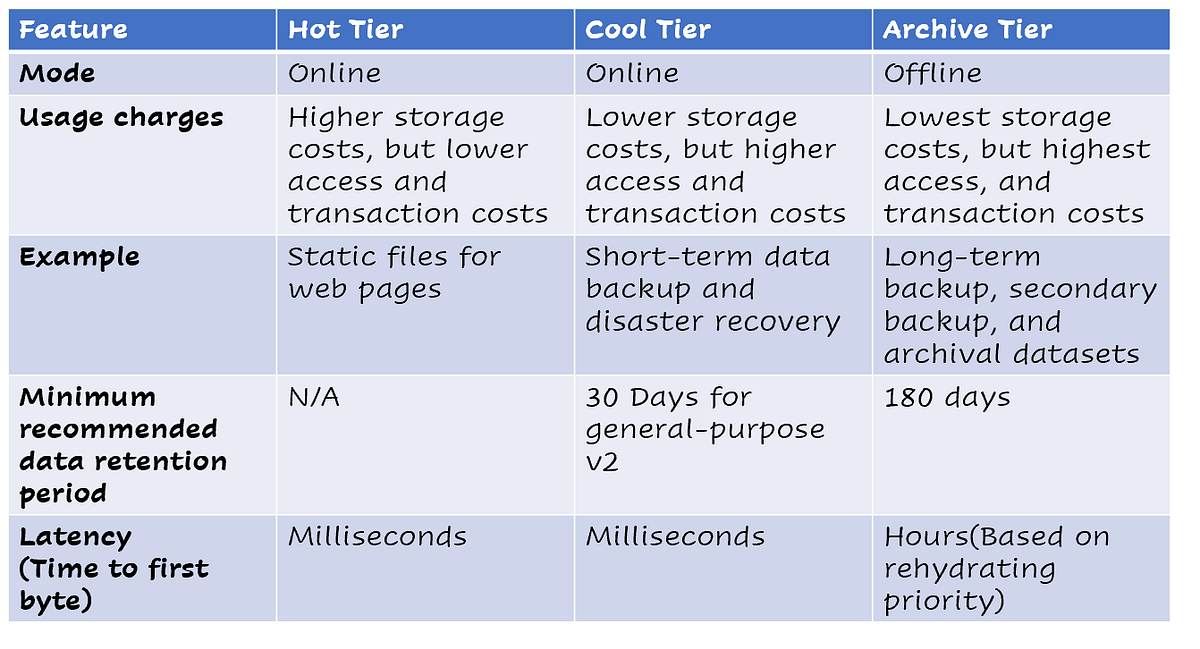
Choose the right storage access tiers for your blob data by RK Iyer

Configure Azure Storage Lifecycle Management Move Blobs to Cool, Cold
Meet Azure Archive Blob Storage Microsoft’s new longterm cold storage
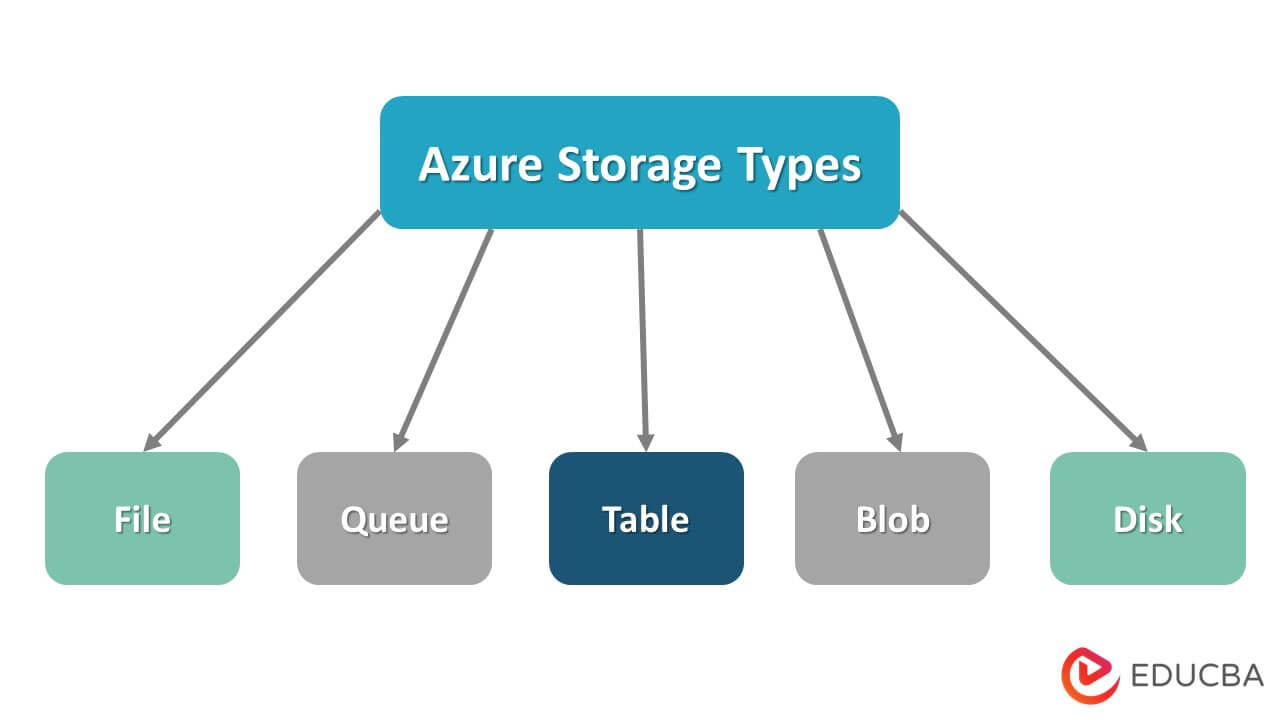
Types of Azure Storage Explore the Various Types of Azure Storage
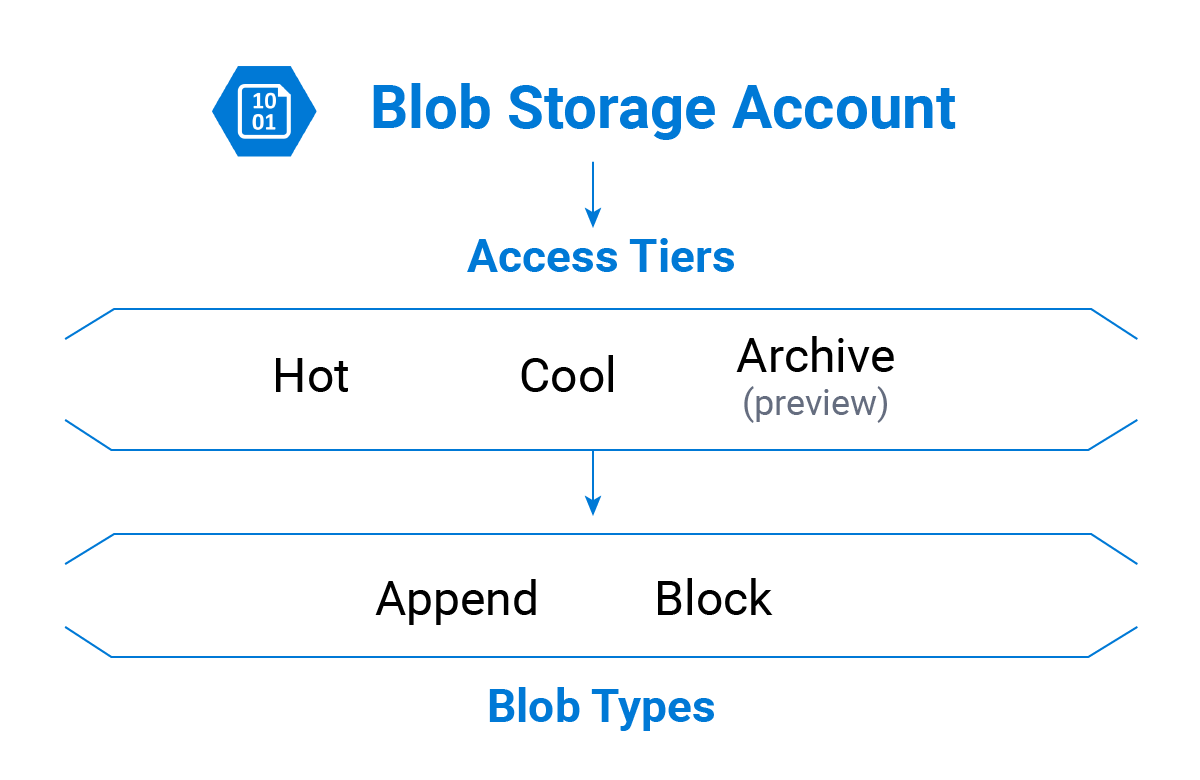
Microsoft Azure Storage Types Overview
Azure Blob Storage Cold Tier now available EasyDeploy Technologies
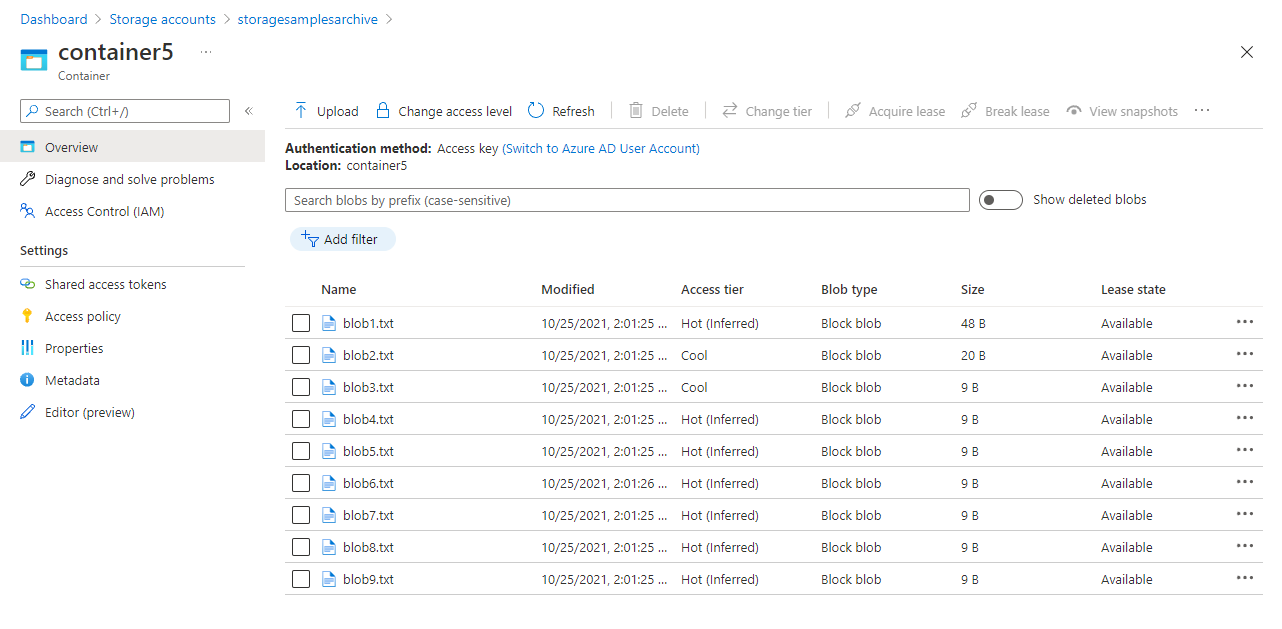
Microsoft.azure.storage.blob Example at Marie Vaughan blog
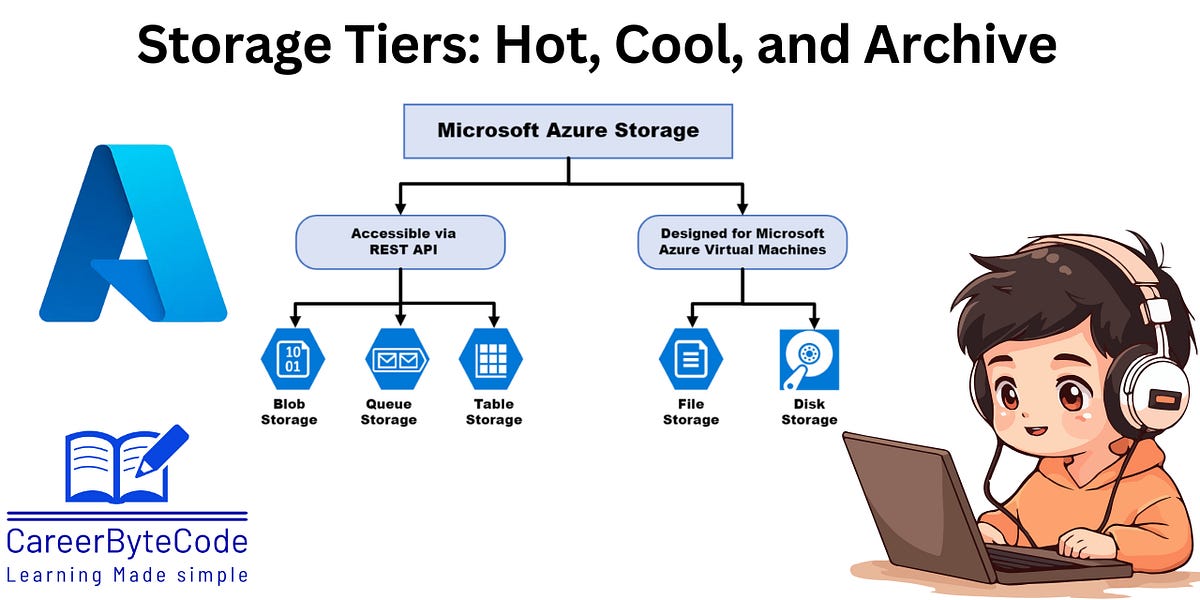
Understanding AZURE Blob Storage Tiers Hot, Cool, and Archive Explained

Efficiently store data with Azure Blob Storage Cold Tier—now generally
Efficiently store data with Azure Blob Storage Cold Tier—now generally
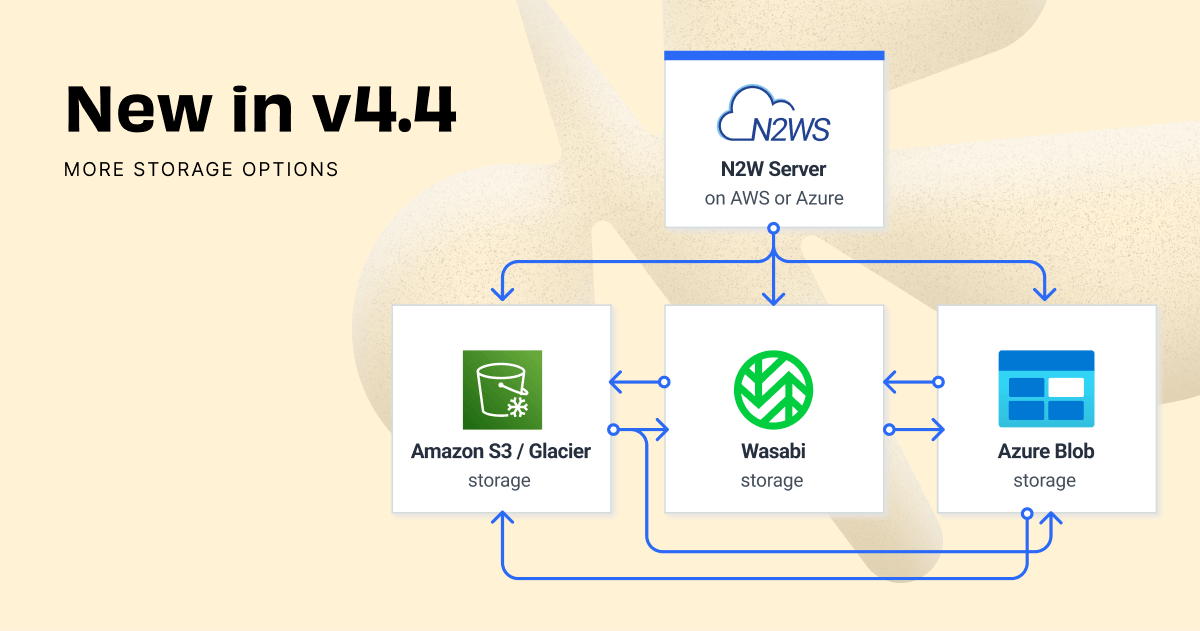
N2WS Launches v4.4 enabling direct backup to cold tier storage for
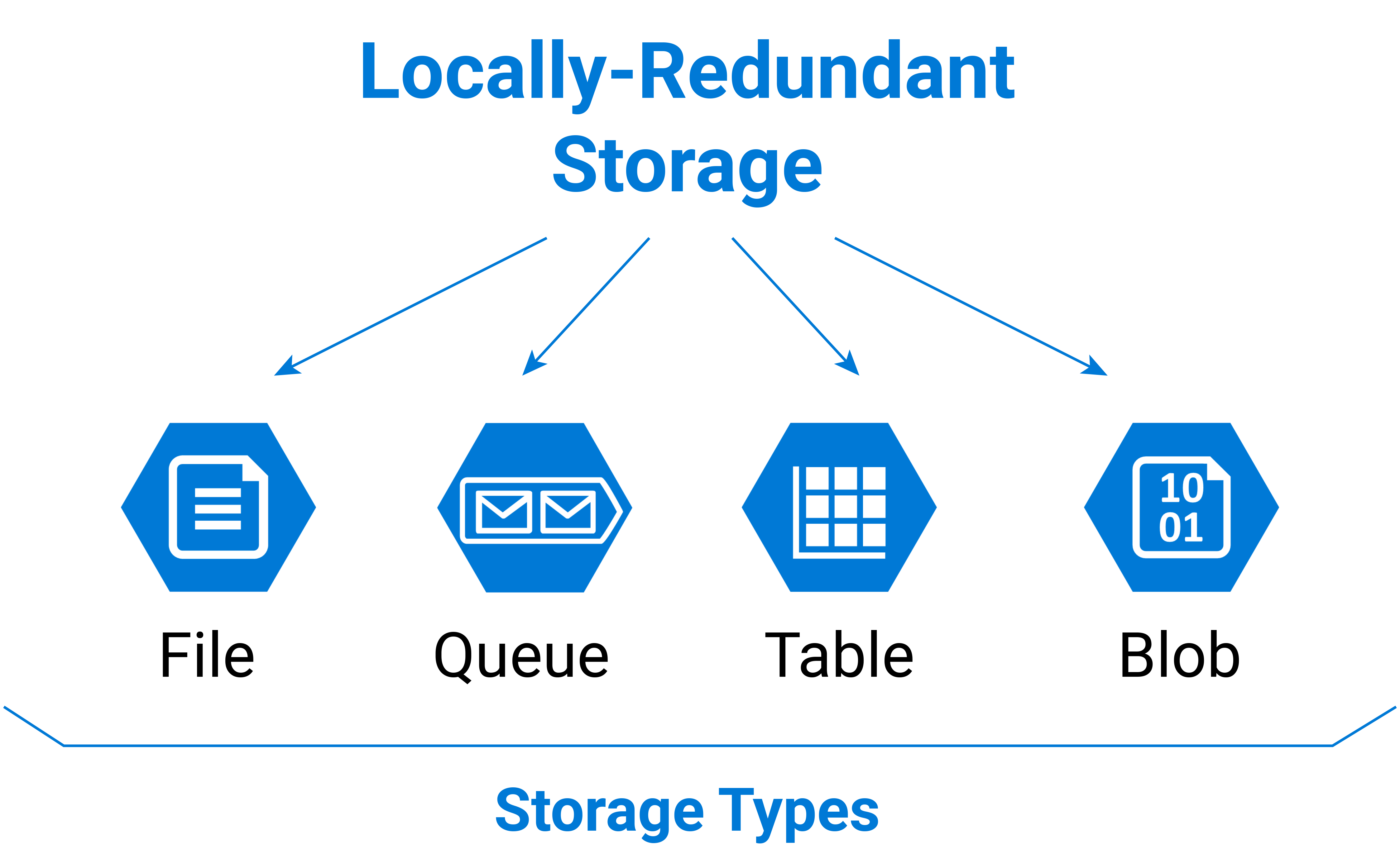
Microsoft Azure Storage Types Overview
Azure Updates Generative AI expands; Blob Storage Cold Tier; Storage
In This Article, I’ll Provide You With The Definitive.
Offers The Most Significant Cost Savings For Dormant Data.
Learn Azure Blob Storage Basics, Key Concepts, Containers, And How Hot, Cool, Cold, And Archive Tiers Organize And Optimize Your Data.
Related Post:


